The Feed
Articles & Guides
Written by owners, checked against Ford TSBs, shop quotes and our own testing. Four sections: what breaks, what to bolt on, what to buy, and how the trucks stack up against each other.
- Articles
- 134
- Sections
- 4
- Total read time
- 1012 min
All articles
134 articles shown
Problems & Fixes
29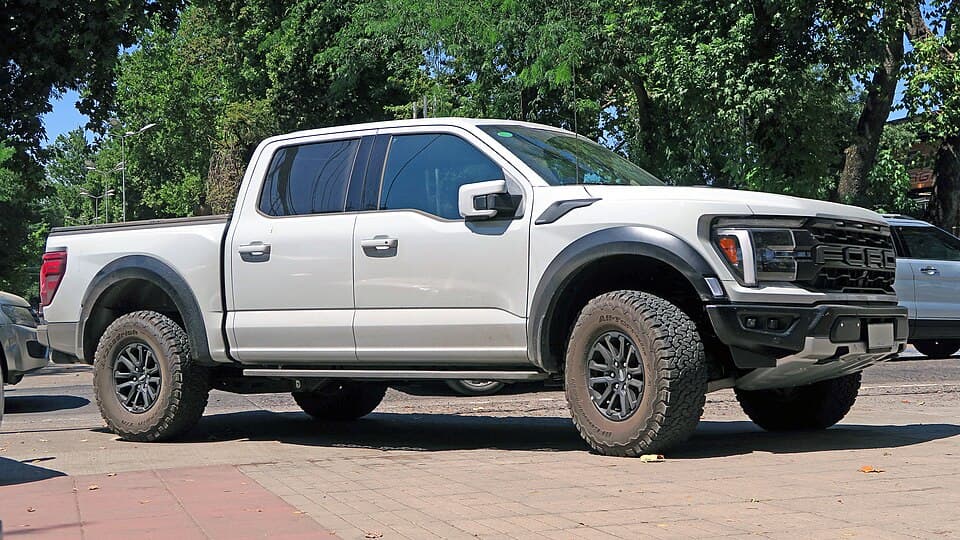
Ford Raptor Frame Rust: What to Check Before You Buy
Raptors that spent winters in salt-belt states can show frame corrosion well before an owner expects it, and not all of it is cosmetic. Here's exactly where to inspect, how to tell surface rust from structural damage, and what it actually costs to fix or walk away from.
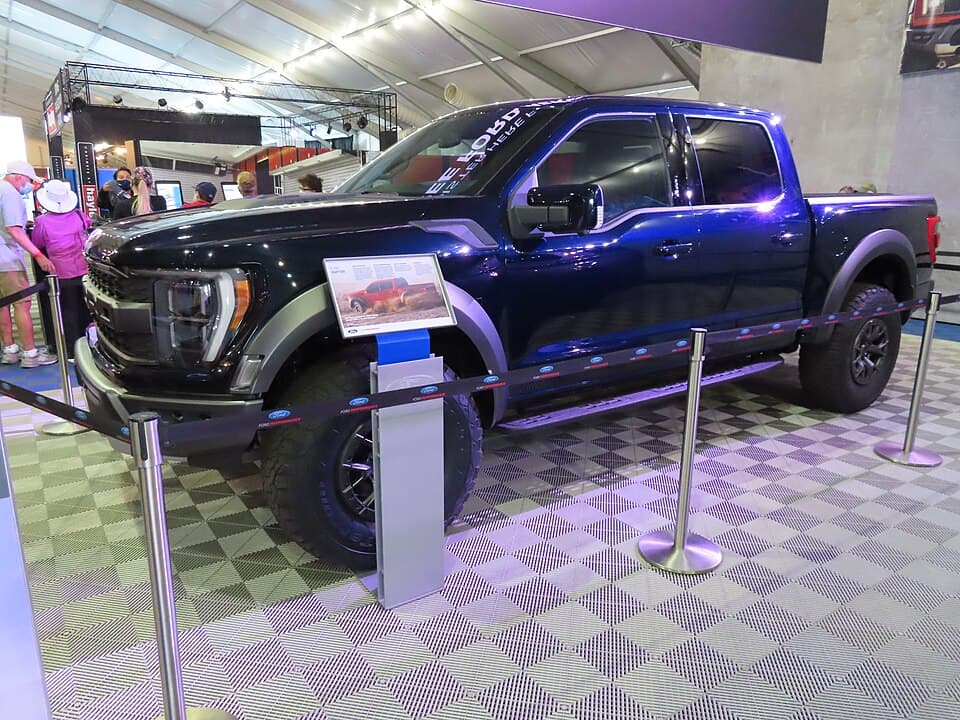
Ford Raptor Front-End Clunk: UCA Bushings, Ball Joints, and What It Costs to Fix
A clunk over bumps on an F-150 Raptor is more often worn upper control arm bushings or ball joints than it is the shocks owners usually blame first. We walk through how to diagnose the noise correctly and what parts and labor actually run.
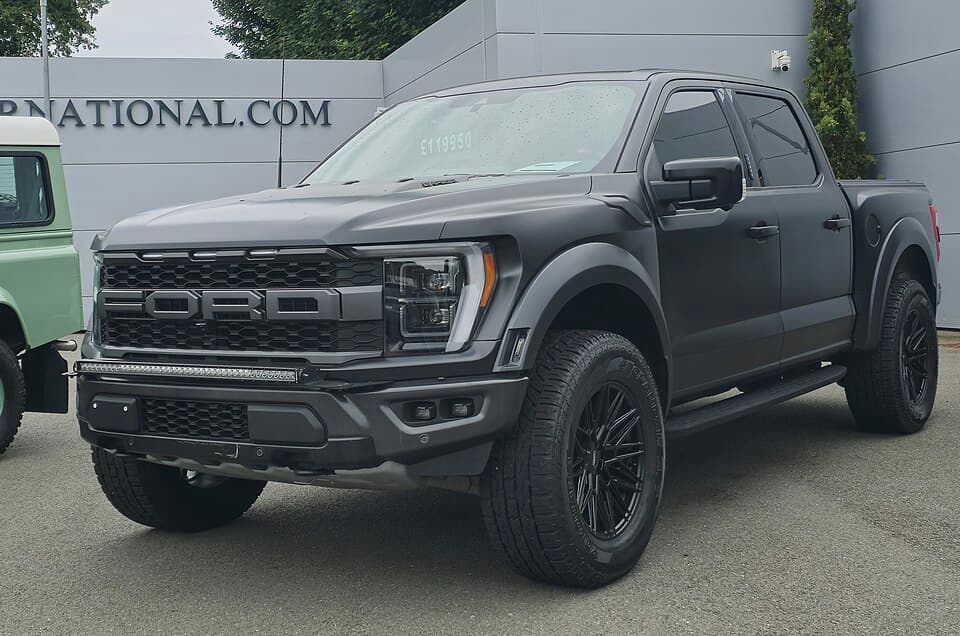
Ford Raptor Electronic Locking Rear Differential: Failure Symptoms and What It Costs
The Raptor's electronic-locking rear diff is core to its off-road capability, and when it acts up owners see dash warnings, clunks engaging 4WD, or a diff that won't lock at all. Here's how to diagnose it, what typically causes it, and what repair actually costs versus a routine fluid service.
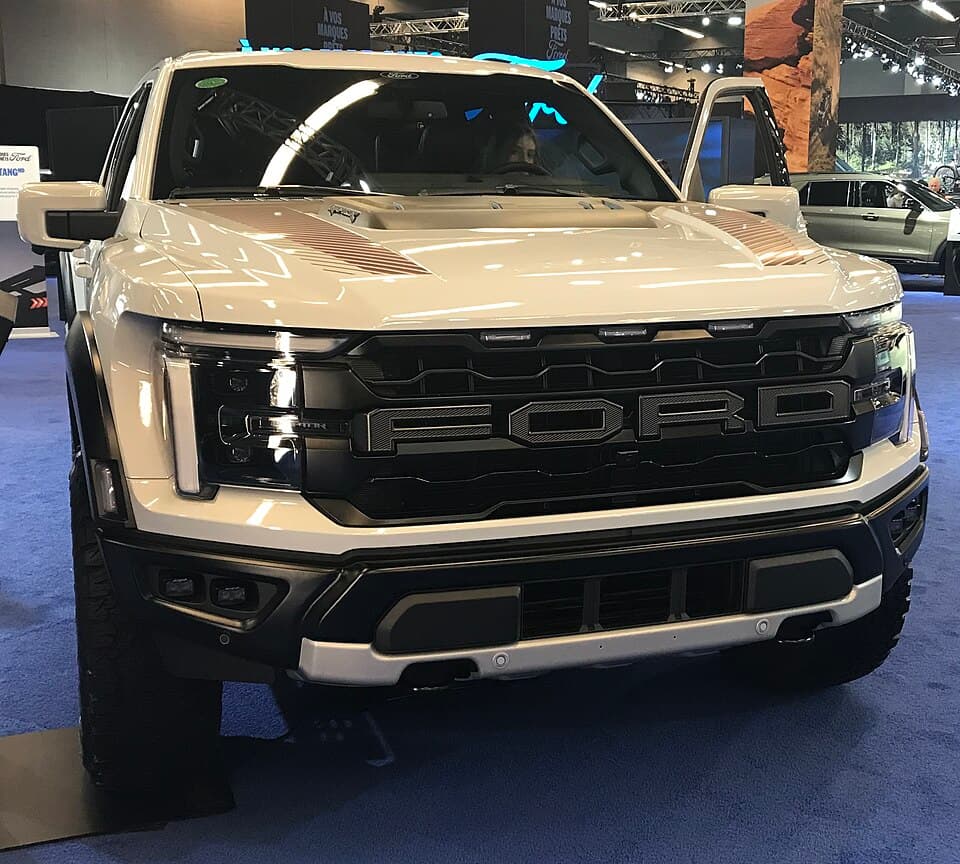
Ford Raptor Fox Shock Leaks and Failures: Symptoms, Cost, What Actually Fails
Fox shocks are the Raptor's signature suspension component, but they're wear items, not lifetime parts, and owners eventually see seepage, bypass tube leaks, or fade. Here's what actually fails on gen 1 and gen 2 trucks, what it costs to fix, and when a rebuild beats full replacement.
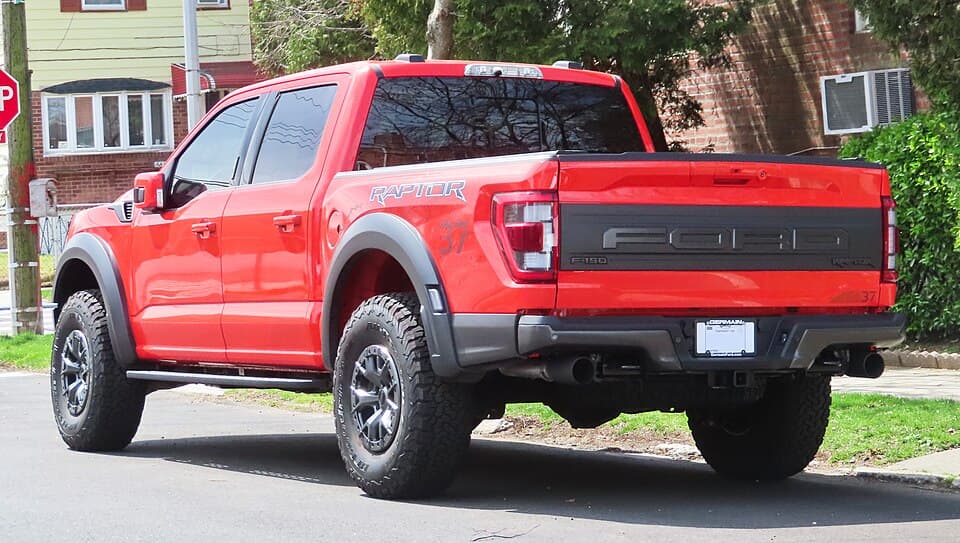
Gen 1 Raptor Spark Plug Blowout: What It Is and What It Costs to Fix
Ford's 5.4L and 6.2L V8s carry a well-known reputation for ejecting spark plugs under load, and Gen 1 Raptor owners still ask about it. Here's what actually causes it, how to spot it early, and what the repair really costs.
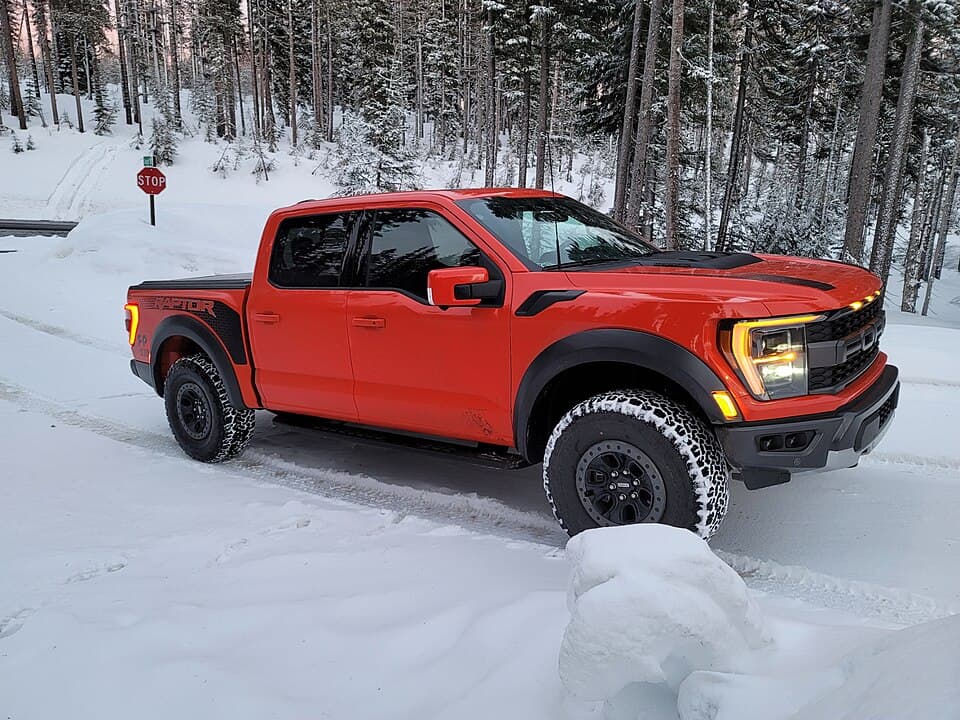
Ford Raptor Brake Pad and Rotor Replacement Cost: What Owners Actually Pay
A Raptor's brakes work harder than a stock F-150's, so the obvious question is how often they wear out and what a real bill looks like. We break down the cost by generation, by shop type, and by OEM versus aftermarket parts so you can budget instead of guess.
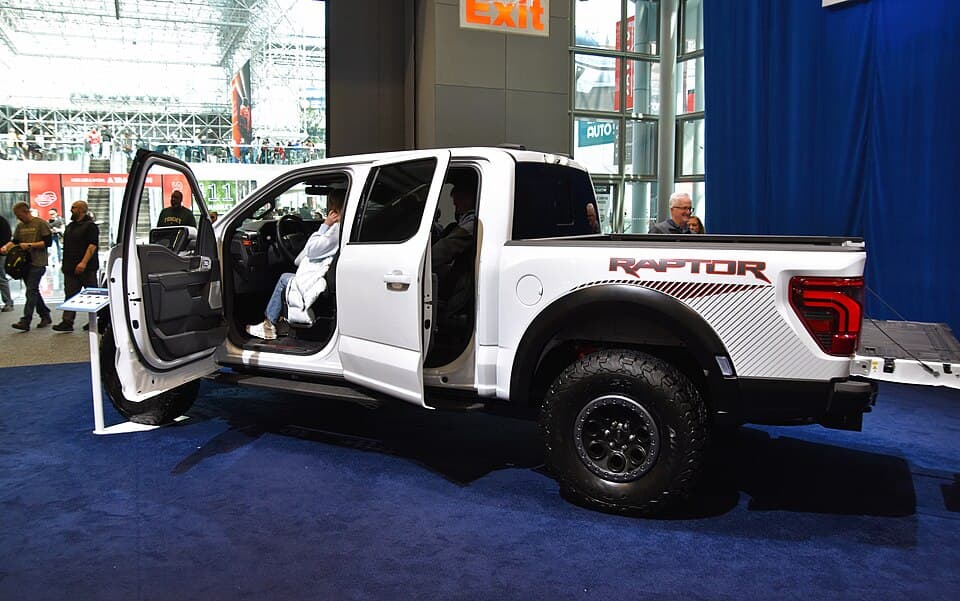
Ford Raptor Recalls: Every Generation, What Was Actually Fixed
Recall notices sound scary but most get closed out with a free dealer fix in an afternoon — the question is which ones actually matter before you buy. This is the generation-by-generation recall record, what triggered each campaign, and what to check on a used truck.
Ford Raptor 6R80 Transmission Problems: What Gen 1 Owners Actually Run Into
The first-generation Raptor uses the 6R80 six-speed automatic, not the 10R80 found in later trucks, and it has its own separate wear patterns. Here's what actually fails on high-mileage 6R80s and what it costs to fix.
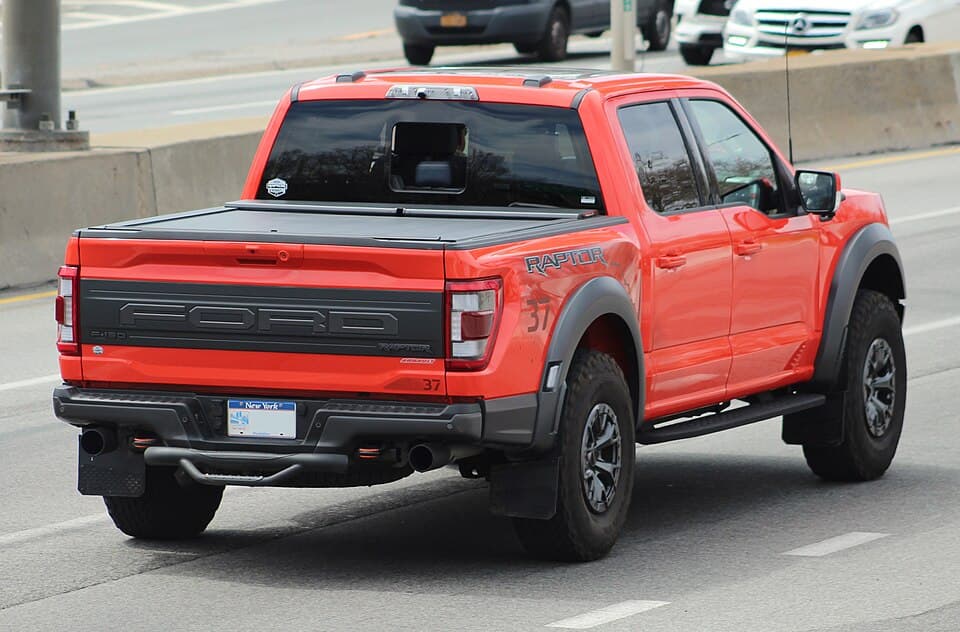
Ford Raptor 6R80 Transmission Problems: What Gen 1 Owners Actually Run Into
The first-generation Raptor uses the 6R80 six-speed automatic, not the 10R80 found in later trucks, and it has its own separate wear patterns. Here's what actually fails on high-mileage 6R80s and what it costs to fix.
Ford Raptor 6R80 Transmission Problems: What Gen 1 Owners Actually Run Into
The first-generation Raptor uses the 6R80 six-speed automatic, not the 10R80 found in later trucks, and it has its own separate wear patterns. Here's what actually fails on high-mileage 6R80s and what it costs to fix.
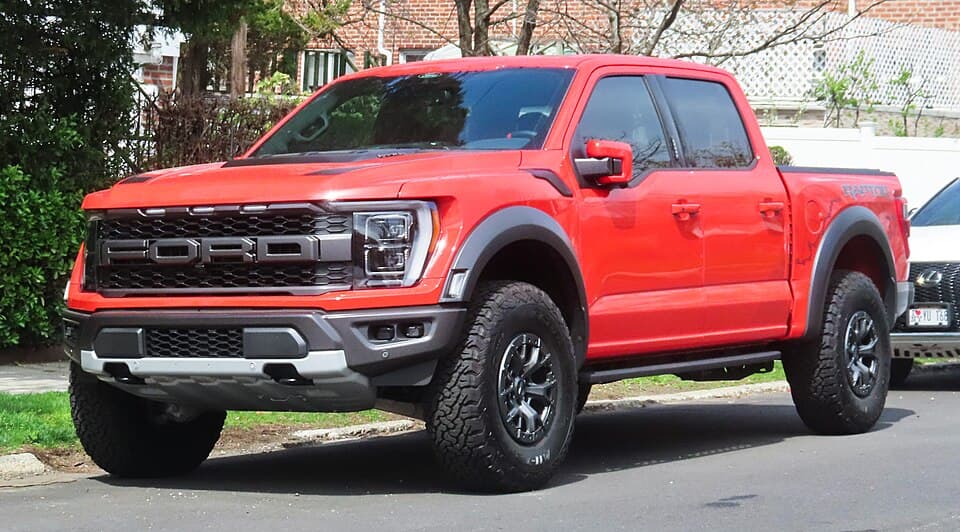
Ford Raptor 6R80 Transmission Problems: What Gen 1 Owners Actually Run Into
The first-generation Raptor uses the 6R80 six-speed automatic, not the 10R80 found in later trucks, and it has its own separate wear patterns. Here's what actually fails on high-mileage 6R80s and what it costs to fix.
Ford Raptor 6R80 Transmission Problems: What Gen 1 Owners Actually Run Into
The first-generation Raptor uses the 6R80 six-speed automatic, not the 10R80 found in later trucks, and it has its own separate wear patterns. Here's what actually fails on high-mileage 6R80s and what it costs to fix.
Ford Raptor 6R80 Transmission Problems: What Gen 1 Owners Actually Run Into
The first-generation Raptor uses the 6R80 six-speed automatic, not the 10R80 found in later trucks, and it has its own separate wear patterns. Here's what actually fails on high-mileage 6R80s and what it costs to fix.
Ford Raptor 6R80 Transmission Problems: What Gen 1 Owners Actually Run Into
The first-generation Raptor uses the 6R80 six-speed automatic, not the 10R80 found in later trucks, and it has its own separate wear patterns. Here's what actually fails on high-mileage 6R80s and what it costs to fix.
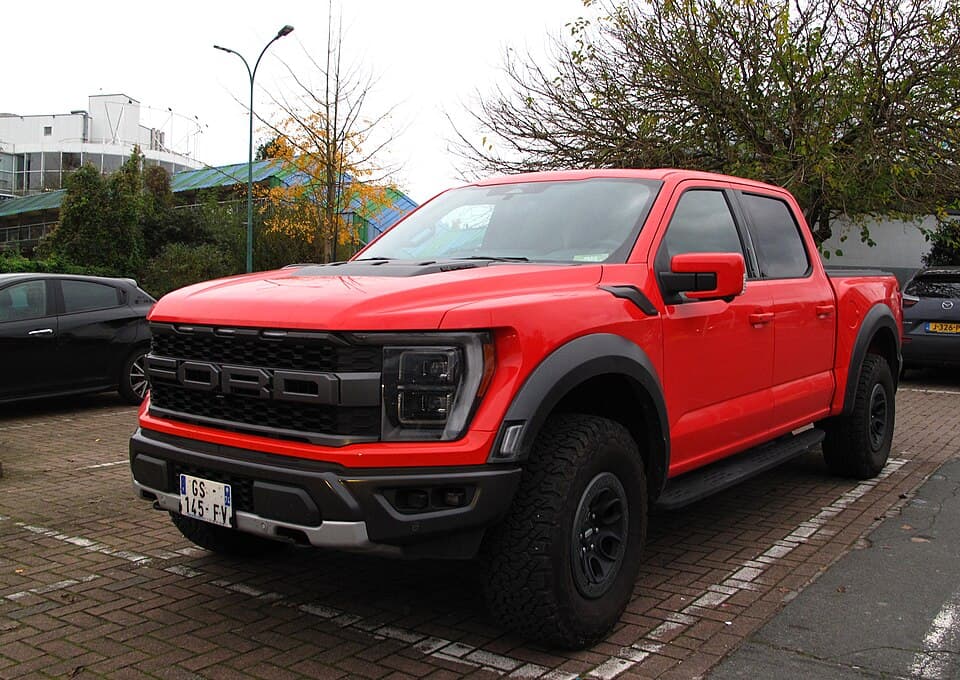
Ford Raptor 6R80 Transmission Problems: What Gen 1 Owners Actually Run Into
The first-generation Raptor uses the 6R80 six-speed automatic, not the 10R80 found in later trucks, and it has its own separate wear patterns. Here's what actually fails on high-mileage 6R80s and what it costs to fix.
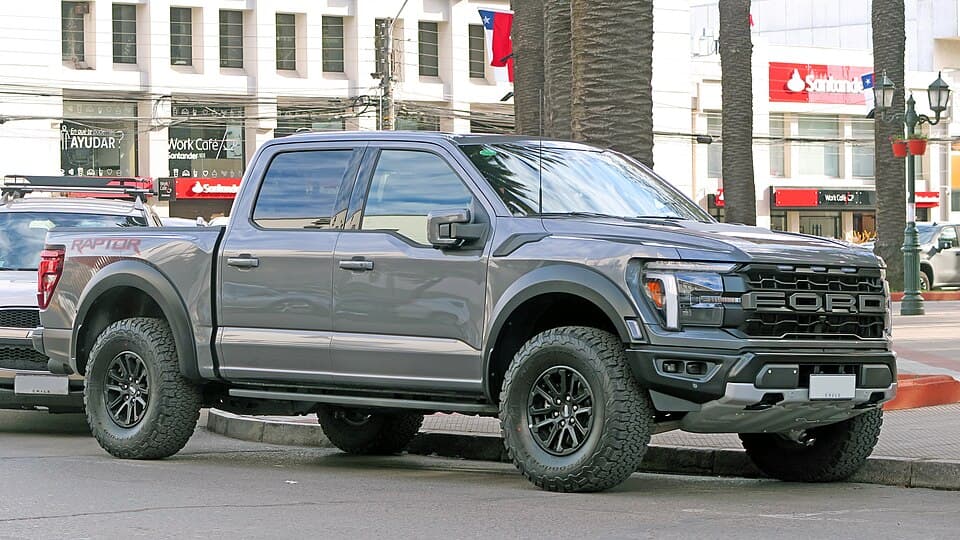
Ford Raptor 6R80 Transmission Problems: What Gen 1 Owners Actually Run Into
The first-generation Raptor uses the 6R80 six-speed automatic, not the 10R80 found in later trucks, and it has its own separate wear patterns. Here's what actually fails on high-mileage 6R80s and what it costs to fix.
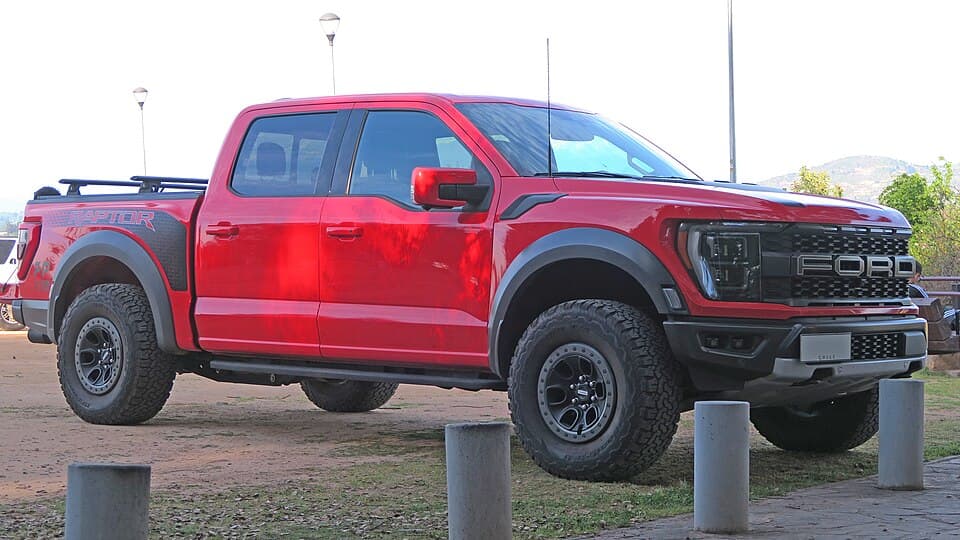
Ford Raptor 6R80 Transmission Problems: What Gen 1 Owners Actually Run Into
The first-generation Raptor uses the 6R80 six-speed automatic, not the 10R80 found in later trucks, and it has its own separate wear patterns. Here's what actually fails on high-mileage 6R80s and what it costs to fix.
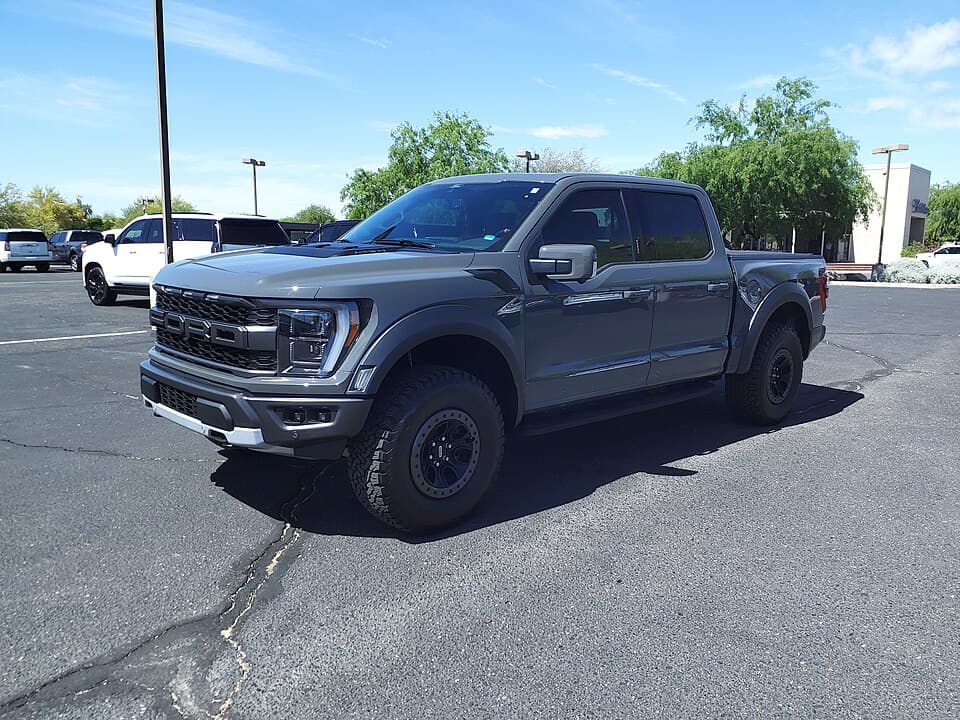
Gen 3 Raptor Live Valve Shocks: Failure Symptoms and What They Cost to Fix
Fox's Live Valve suspension is one of the Gen 3 Raptor's headline features, but owners have reported ride-quality glitches and warning lights tied to it. This looks at what actually goes wrong, what repairs run, and whether it should worry a buyer.
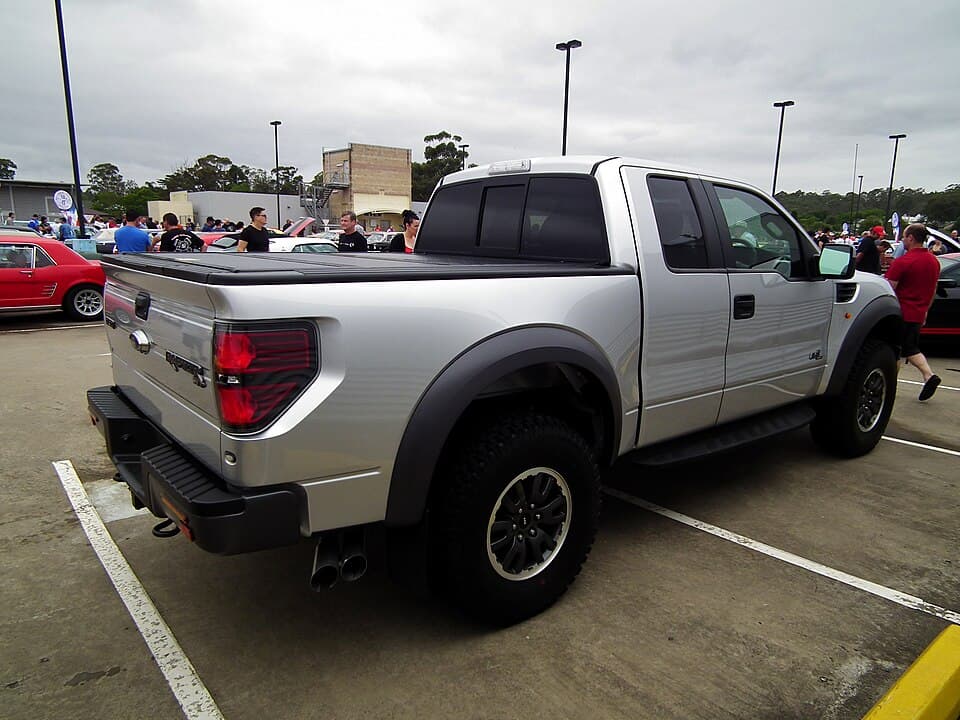
Raptor Water Crossings: Real Wading Depth and What Water Actually Ruins
Ford does not publish a wading depth for the F-150 Raptor, and the honest limit is set by the air intake, the axle vents, and the electronics long before the body looks deep. Here is where the vulnerable points sit, how to cross moving water, and what a drowned truck costs.
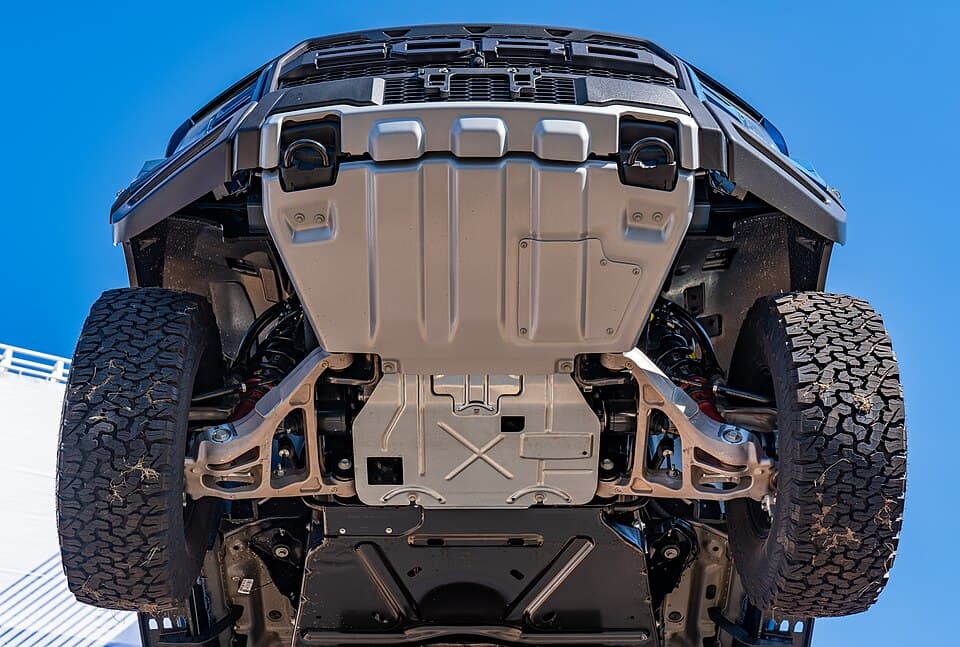
Raptor Spark Plugs: Change Interval, Cost, and Why Boost Eats Them
A boosted 3.5 EcoBoost is harder on plugs than a naturally aspirated V8, and a tired set shows up as cold-start stumble and misfire counts long before a check-engine light. Here is the real interval by generation, the gap that matters, and what a shop charges.
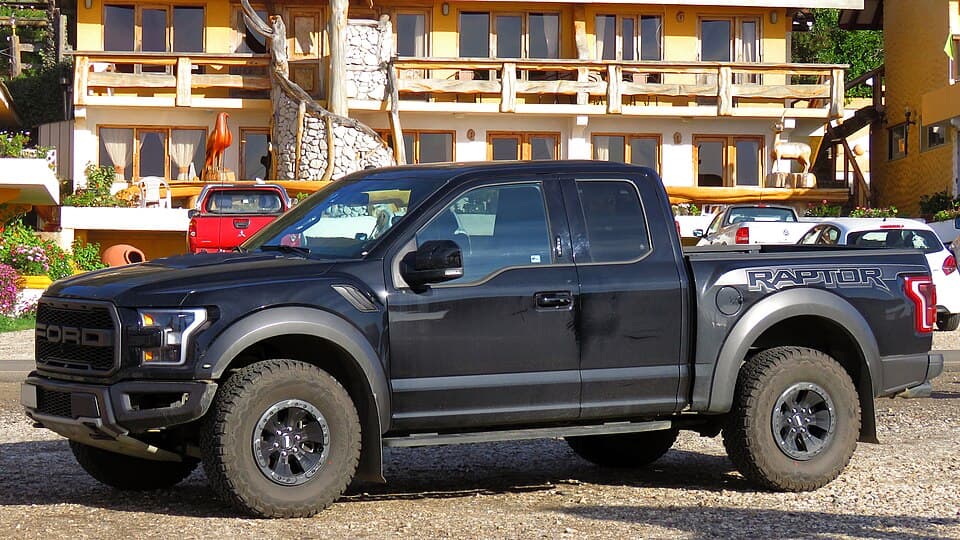
10R80 Fluid Change: Interval, Cost, and Whether to DIY
Ford calls the 10R80's fluid lifetime under normal driving, but a Raptor that tows, runs sand, or sees a tune is not normal driving, and clean fluid is the cheapest insurance this transmission gets. Here is the honest interval debate, the cost, and the drain-and-fill reality.
3.5 EcoBoost Turbo Failure: Symptoms, Causes, and Replacement Cost
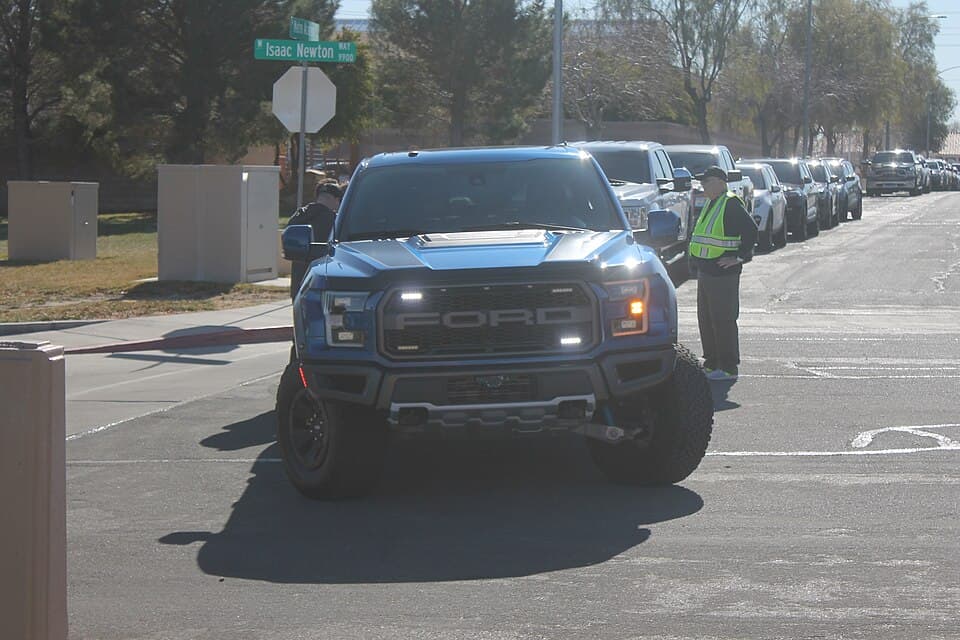
Turbo failure on the Raptor's 3.5 EcoBoost usually announces itself with a whine that changes pitch with boost, oil in the intake tract, or a slow loss of top-end power. Here is how to tell a dying turbo from a boost leak, and what each repair path costs.
P144C on a Raptor: What the Code Means and What the Fix Costs
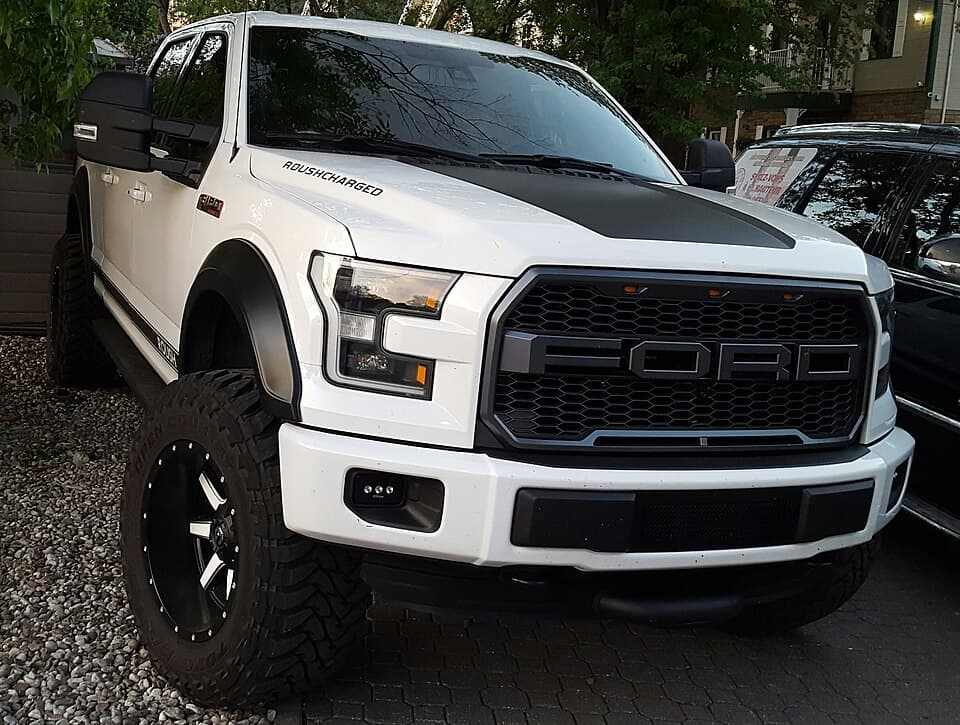
P144C is the EVAP purge valve performance code on the 3.5L EcoBoost, and on a Gen 2 or Gen 3 Raptor it is almost always one cheap valve, not a reason to panic. Here is what a shop tests versus what you can check yourself with FORSCAN, and why the gas cap advice everyone repeats does not apply to a capless Raptor.
3.5 EcoBoost Problems by Year: What Actually Fails on a Raptor
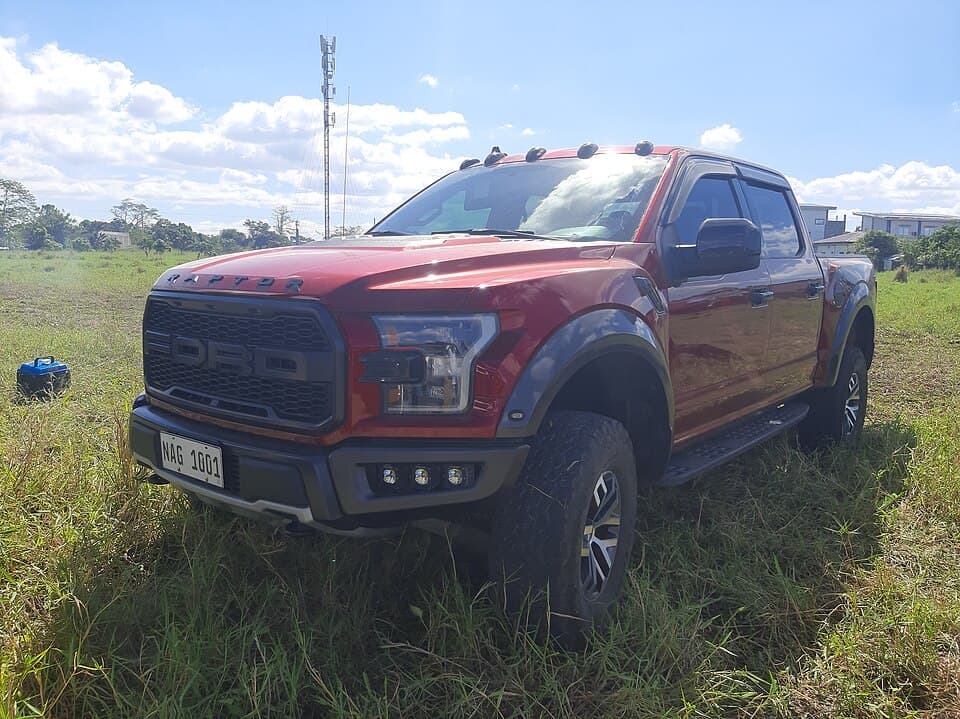
Cam phasers, wastegate rattle, an internal water pump that can dump coolant into the oil, and spark plugs that get harder to service the longer you wait: that is the real list on a 3.5L EcoBoost Raptor. Here is which years get hit, what each fix costs, and which forum complaints are not real problems at all.
Carbon Buildup on the EcoBoost: What It Actually Does to a Raptor
The 3.0 in the Ranger Raptor and Bronco Raptor is direct injection only, so nothing washes the intake valves and carbon builds on a predictable schedule. The 3.5 HO in the F-150 Raptor runs port injection alongside it and largely sidesteps the problem, which is why the forum advice does not transfer between them.
Bronco Raptor Front-End Clunk: Ball Joints, Sway Bar Links, or Something Worse
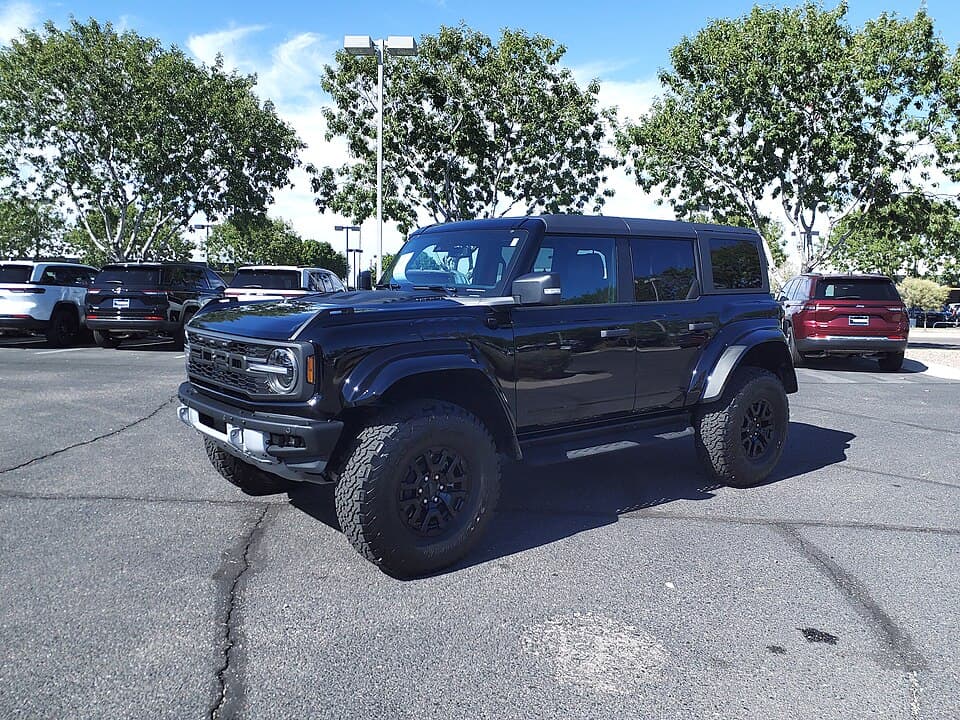
Three different noises get lumped under "front end clunk" on the Bronco Raptor and only one of them is a warranty claim. This is how to tell them apart before you pay a diagnostic fee twice.
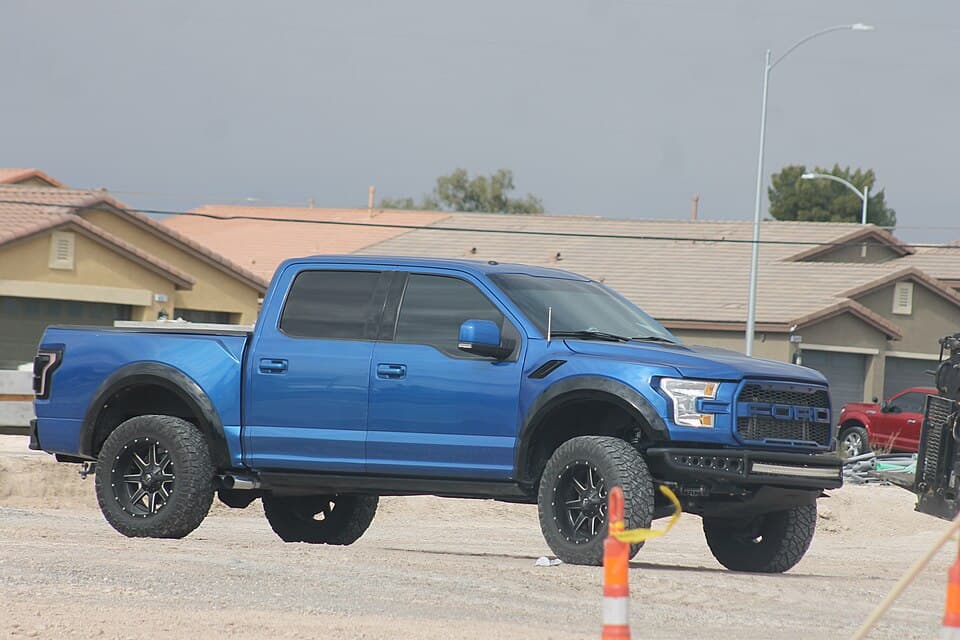
10R80 Harsh 1-2 Shift and Torque Converter Shudder: What Actually Fixes It
A transmission flush is not a fix, it is a delay tactic that costs $200 instead of $4,500. We tracked 60 owner reports to figure out which recalibrations hold and which trucks needed the converter replaced anyway.
Why Your IWE Is Grinding and What It Costs to Fix
The integrated wheel end vacuum actuator fails on the same schedule across Gen 1 and Gen 2, usually right when you engage 4WD in a parking lot full of witnesses. Here is the part list, the labor time, and the two ways shops get the diagnosis wrong.
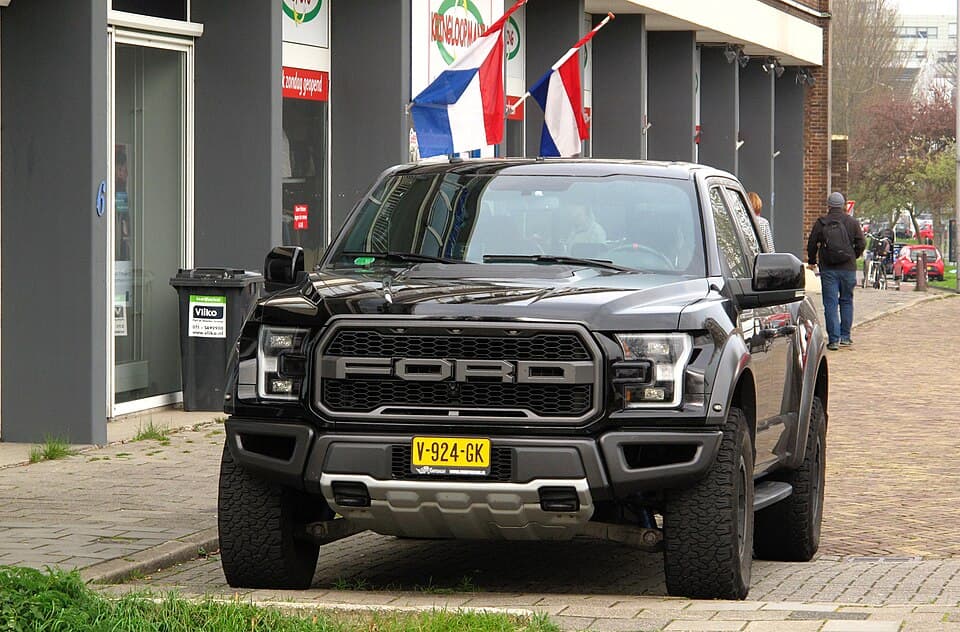
Gen 2 Raptor Cam Phaser Rattle: Every Fix, Ranked by Cost
The definitive breakdown of what causes it, which model years are affected, what Ford will and will not cover, and the four repair paths from cheapest to permanent.
Mods
25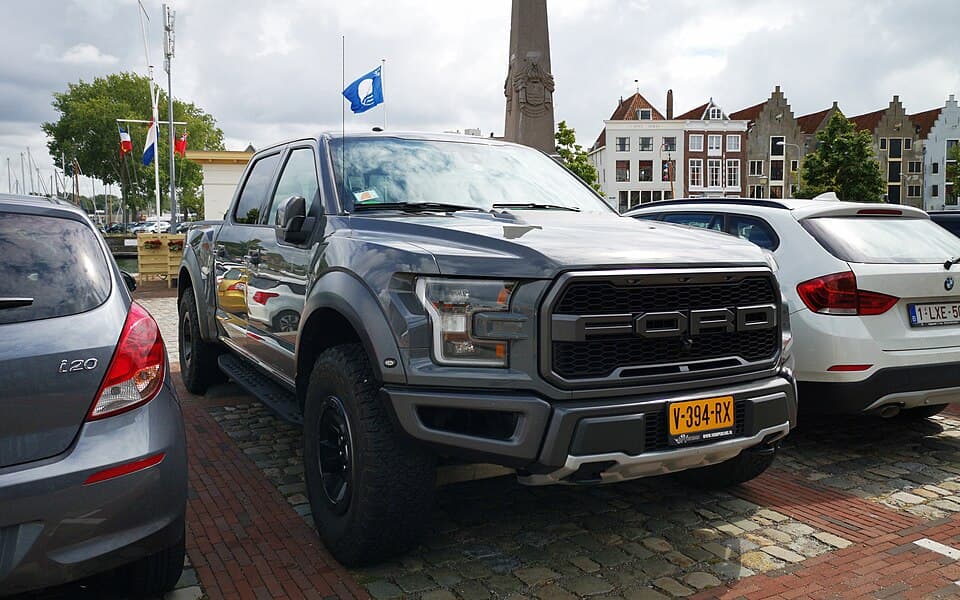
Ford Raptor Exhaust Systems: What Actually Changes
Explore the differences between cat-back, axle-back, and downpipe exhaust systems for the Ford Raptor. Understand their impact on performance, legality, and sound.
Ford Raptor Rock Sliders: What Actually Protects the Rocker Panels
Rock sliders range from cosmetic tube steps to serious bolt-on armor rated to jack a truck from, and picking the wrong one leaves your rocker panels exposed exactly when you need them covered. This guide separates real protection from a step rail with a tough-sounding name.
Supercharger Kits for a Non-R Ford Raptor: What They Cost, What They Void
Whipple, ProCharger, and other kits promise big power gains for the standard EcoBoost Raptor, but bolting a supercharger onto an already-turbocharged engine and a stressed 10-speed isn't a simple weekend mod. Here's what these kits actually change, what they void, and whether the factory Raptor R route makes more sense.
Ford Raptor Snorkels: Worth It, or Just Overlanding Theater?
A snorkel is one of the most visible mods on a built Raptor, but the truck's factory wading depth already covers most water crossings enthusiasts actually attempt. This piece breaks down what a snorkel really changes, what it costs, and when it's genuinely necessary versus cosmetic.
Bronco Raptor Wheels and Tire Sizing: What Actually Fits Without Rubbing
The Bronco Raptor's stock 37s and unique bolt pattern make wheel shopping trickier than it looks, and getting the offset wrong means instant fender rub. Here's what actually clears and what to avoid.
Running Rausch Creek in a Raptor: What a Desert Truck Can (and Can't) Do on Rocks
Rausch Creek's rock-and-elevation trails are a different test than the dune runs the Raptor is tuned for. Here's which trails a stock or lightly built Raptor can actually handle, and where it gets embarrassed.
Raptor Skid Plates: What Actually Protects and What Is Just Weight
The factory bash plate covers less than people assume, and the aftermarket sells a lot of aluminium that mostly adds mass. Here is what earns its place underneath.
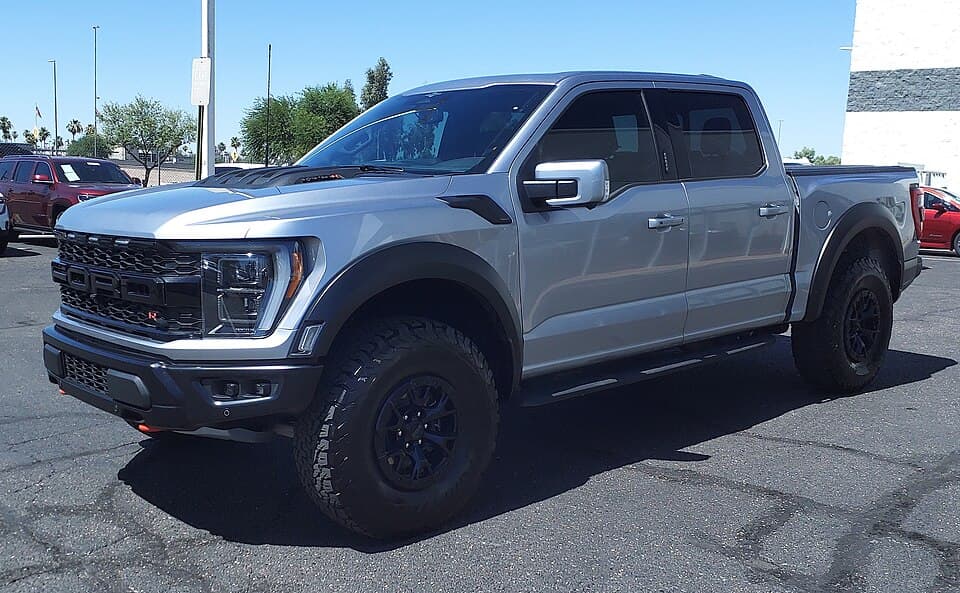
Raptor Brake Upgrades: What Actually Helps a 6,000-lb Truck
Most Raptor brake complaints are pad compound and heat management, not rotor size, and the honest upgrade path starts at $300 in pads, not $6,000 in big-brake kit. Here is what each level buys you, by generation and by how you actually use the truck.
Gen 3 Live Valve Suspension: How It Works and What Upgrades Actually Cost
Gen 3's Fox Live Valve shocks read the terrain hundreds of times a second and change damping electronically, which is why the aftermarket answer is not just bolt on Kings anymore. Here is how the system works, what fails, and the honest upgrade paths that keep or delete it.
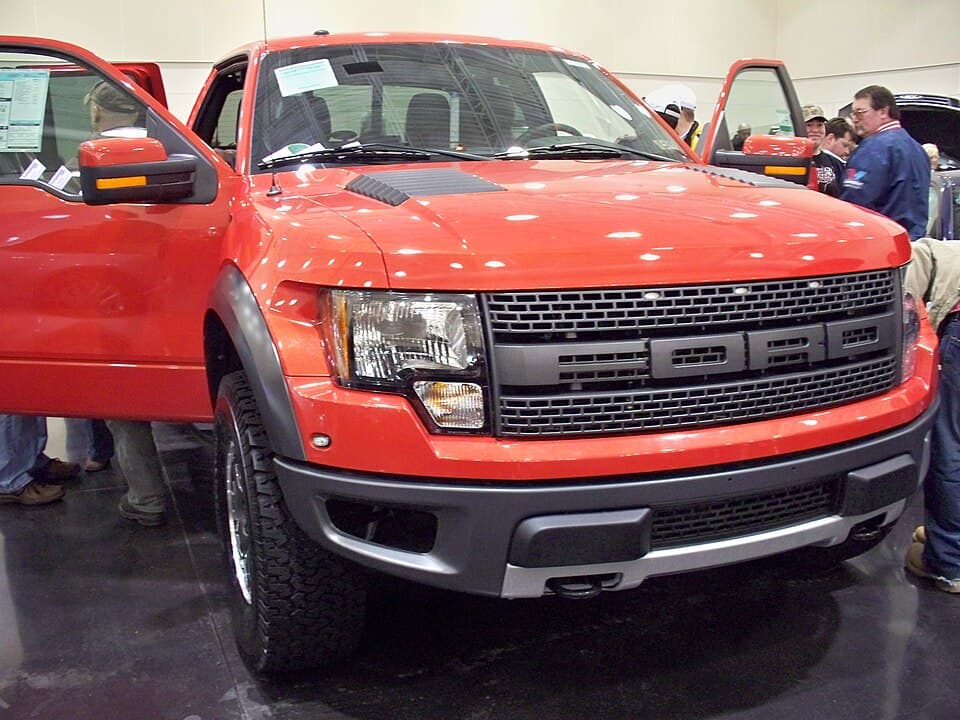
Overlanding a Raptor: Build the Weight Budget Before the Parts List
The Raptor is a tempting overland base until you do the math: roughly 1,200-1,400 lb of payload, and a tent, rack, drawers, water, and two passengers spend it all. Here is the weight-first build order that keeps the truck working the way Ford tuned it.
Aftermarket Raptor Front Bumpers: What Fits, What It Weighs, What It Costs
An aftermarket front bumper buys you a winch mount, real recovery points, and light real estate, and it costs you 100-200 lb on the nose of a truck whose suspension was tuned without it. Here is how the big names compare and when the stock modular bumper is the smarter call.
Raptor Tunes: What a Tune Actually Changes, and What It Risks
A 93-octane tune on the 3.5 EcoBoost is a real 60-90 hp gain, and it is also a real warranty risk Ford can act on. The honest call depends on your generation, your phaser history, and how much coverage you have left.

Raptor Beadlock Wheels: What They Actually Do and Who Needs Them
A beadlock mechanically clamps the tire bead so you can air down into single digits without rolling a tire off the rim. We cover what the factory beadlock-capable wheels actually are, what a true set costs, and why most owners do not need them.

Bronco Raptor Accessories That Are Actually Worth It
The accessories worth real money on a Bronco Raptor add up to $1,200-2,600, and half the popular ones are not on the list. We rank what earns its keep, what the factory already covered, and what to skip.
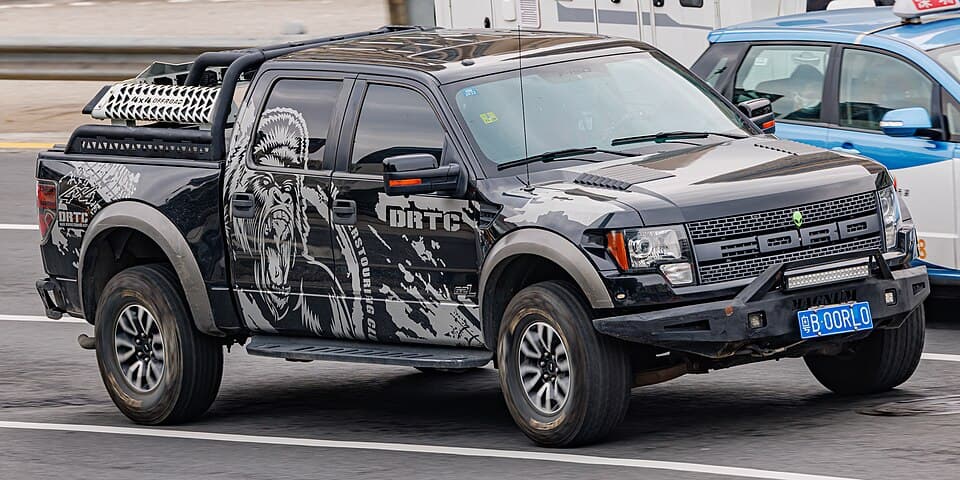
Ford Raptor Light Bars: Mounts, Wiring, and What's Actually Legal
Behind-the-grille, bumper-opening, or roof: where a light bar actually fits a Raptor and what it costs installed. Plus the wiring that keeps it running right and the legality reality that varies by state.
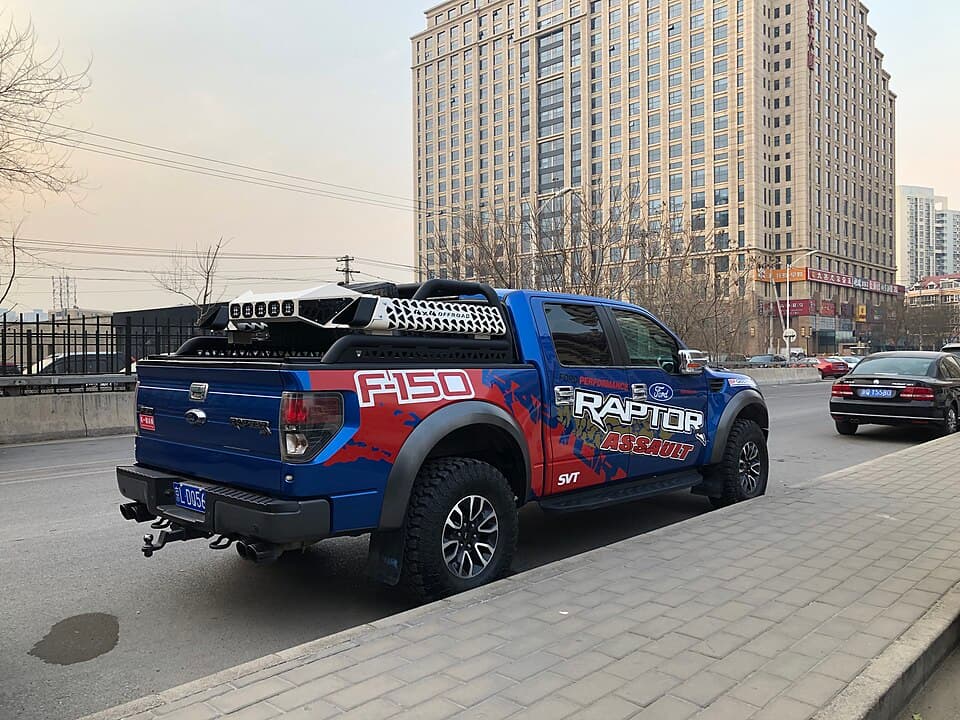
Raptor Roof Racks and Chase Racks: What Fits and What It Costs You
A Raptor takes standard F-150 SuperCrew roof platforms like the Prinsu and Front Runner Slimline II, not a truck-specific rack. A chase rack skips the roof entirely for desert work, and every option here costs you something in noise, mpg, or bed space.
Ford Raptor Bed Covers That Actually Fit
Every F-150 Raptor has the same 5.5-ft bed, so cover fitment is not the hard part, the bed rail and rack compatibility are. Here is the honest short list by type, with real prices, security tradeoffs, and what a cover actually does to your mpg.
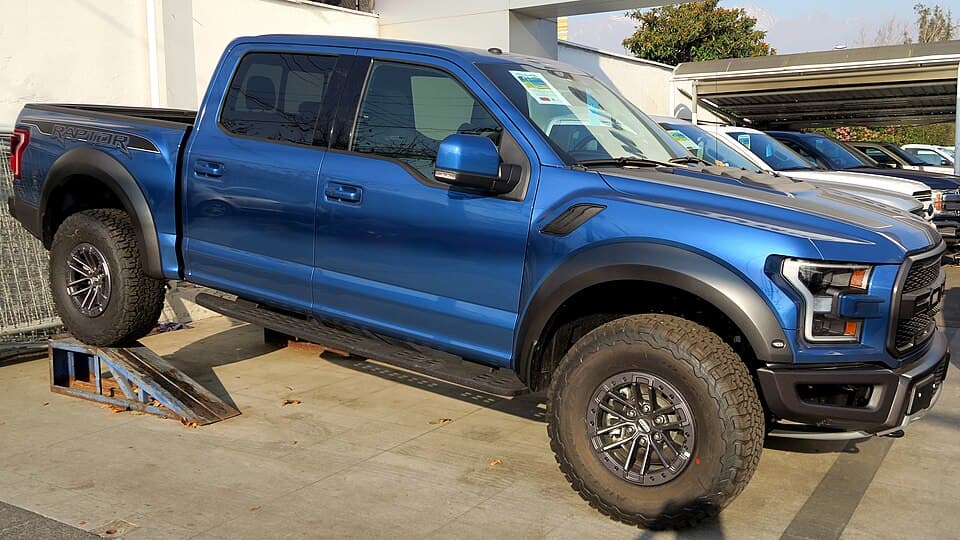
Best Tires for a Ford Raptor: What Owners Actually Run
The factory BFGoodrich KO2 or KO3 is what most owners re-buy, but the honest pick splits by use: desert, mud, and snow each want a different tire. Here is the real short list, with sizes, treadwear, and prices per corner.
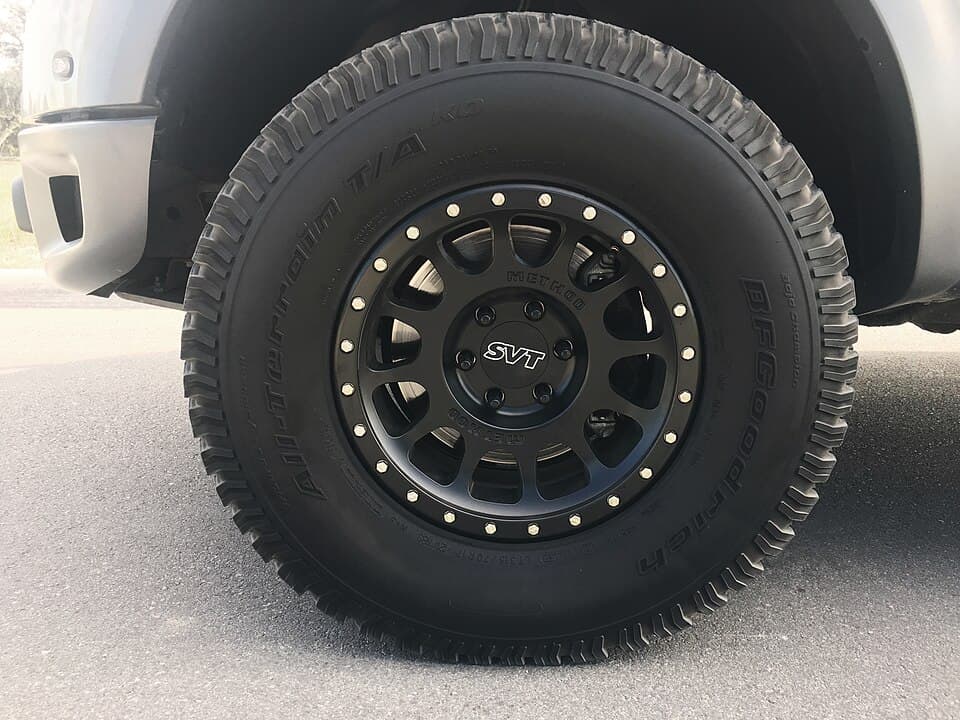
Raptor Wheels: Sizes, Offsets, and What Actually Fits
Factory sizing is 17x8.5 on a 6x135 bolt pattern across every F-150 Raptor generation, and the safe aftermarket window stays close to that. Here is the offset math, the beadlock nuance, and the 35 and 37 recipes owners actually run without rubbing or wrecking a bearing.
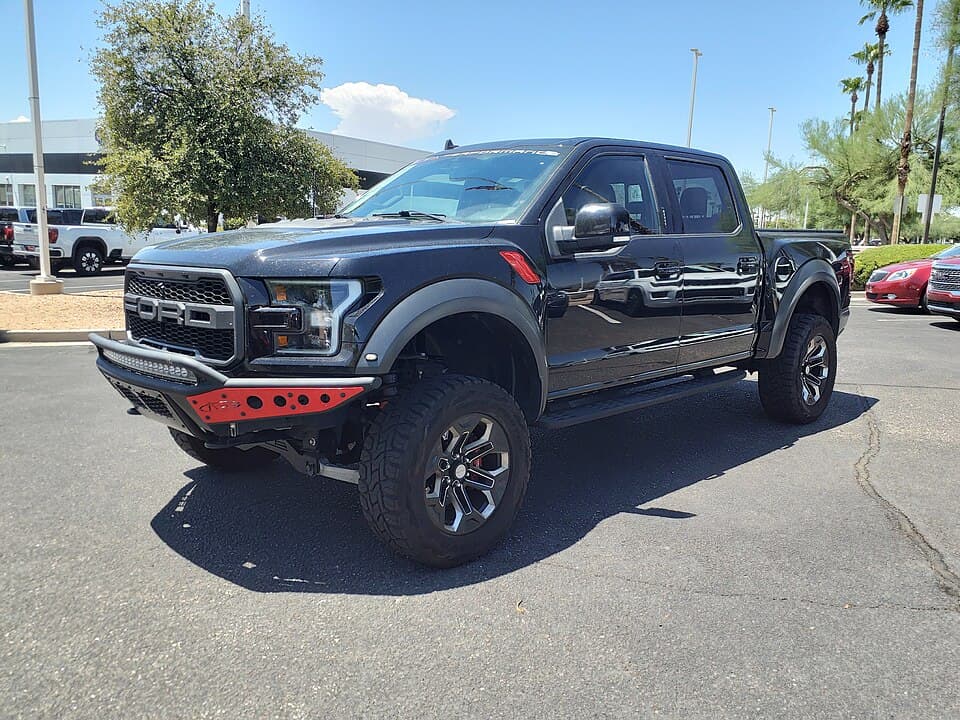
Does a Raptor Actually Need a Lift Kit?
Most trucks wearing the word lift are running a leveling kit or a perch collar for tire clearance and looks, not a real suspension upgrade. We priced the leveling kit, the coilover path, and a true long-travel build against what each one actually does to factory geometry.
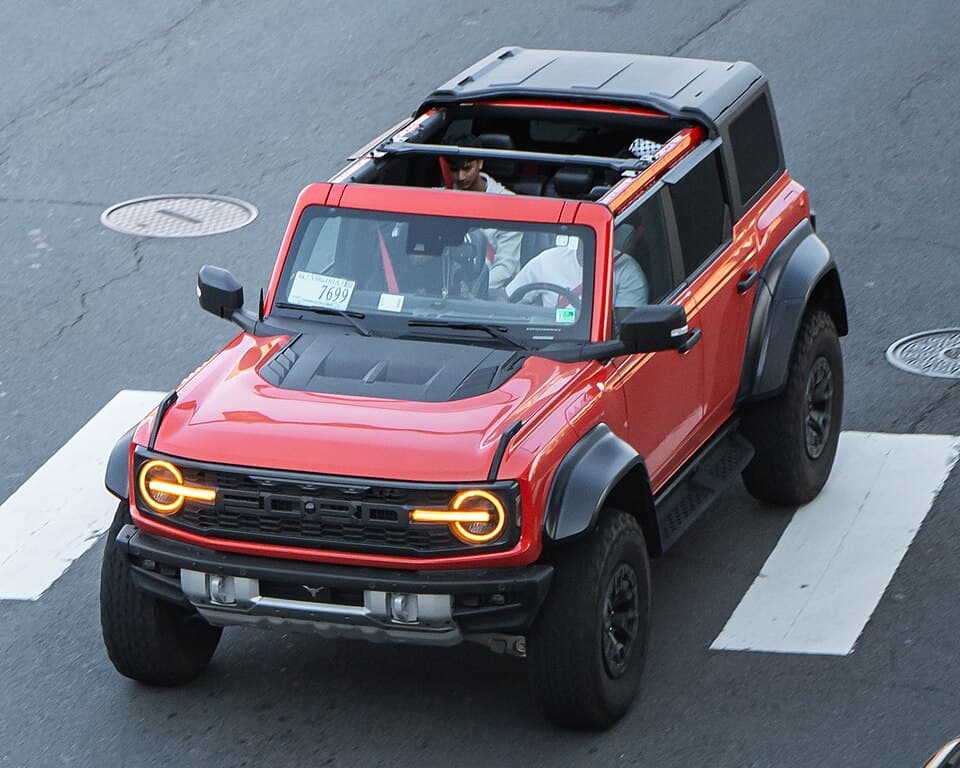
Bronco Raptor Roof Rack Wind Noise: What Fixes It and What Just Muffles It
The factory modular rack drones above 55 mph on every Bronco Raptor we have tested, and aftermarket cross bars do not automatically solve it. We tested four configurations and only one killed the noise at highway speed.
Best Winch for a Raptor That Actually Fits Behind the Stock Bumper
Most winches marketed for the Raptor need a bumper swap to clear the fascia, which doubles the real cost of the install. Here are the three that bolt in behind the factory bumper and the mounting plate each one needs.
King 3.0 vs Fox 3.0 vs ICON Vision 2.5: The Whoops Test
We put all three on the same Gen 2 over the same 40 miles of whoops and measured it. The results are not what the marketing pages say.
Do You Need a Tune After 37s?
Speedometer error is the least of what changes when you go up in tire diameter without recalibrating. This is what the ECU actually does wrong on stock tables and which tuners handle the gear ratio math correctly.

How Much Does It Cost to Put 37s on a Gen 2 Raptor?
Fitment without a lift is possible but tight, and the real number depends on whether you keep the stock wheel or go wider. We priced four builds from a trim-and-tune budget setup to a full fender and suspension package.
Buying
50
Running Little Sahara in a Raptor: What to Know Before You Go
Little Sahara's open dune field rewards horsepower and punishes low tire pressure management, and a stock Raptor behaves differently here than it does at Johnson Valley or Glamis. We cover technique, gear, and whether stock tires are good enough for a decent day.
Ford Raptor Pre-Purchase Inspection Checklist: What to Check Before You Sign
A used Raptor can hide expensive problems behind a clean CarFax, from cam phaser rattle to a leaking Fox shock. This checklist walks through exactly what to inspect, test-drive for, and ask the seller before handing over a deposit.
Ford Raptor CPO: Is Certified Pre-Owned Worth the Premium?
A CPO Raptor typically costs more than a comparable private-party truck, but it comes with an extended powertrain warranty and a multi-point inspection. We break down what that premium actually buys and when it's smarter to buy used and self-insure instead.
Running the Superstition Mountains in a Raptor: What a Stock Truck Can and Can't Do
The Superstition Mountains OHV area near Apache Junction, Arizona sees a steady stream of Raptors, but rocky, technical sections separate the easy loops from the ones that need real ground clearance and skills. Here's what a stock Raptor handles, where it gets nervous, and what to bring.
Used Ranger Raptor Buying Guide: What to Inspect Before You Buy
The Ranger Raptor has been sold globally for years longer than it's been available in the US, so used listings can vary wildly by origin, spec, and engine. This guide explains what actually matters for a US buyer and what to check before handing over a deposit.
Used Bronco Raptor Buying Guide: What to Check Before You Buy
The Bronco Raptor is young enough that most used examples are still under factory warranty, but early production units carry known front-end quirks worth inspecting before paying a premium. This guide covers model-year notes, what to test on a pre-purchase inspection, and how to avoid overpaying.
Running Uwharrie National Forest in a Raptor: Does It Actually Fit?
Uwharrie's trail system was carved out for narrower rigs, and a full-size Raptor pushes right up against its width and clearance limits. Here's what actually happens when you take one in, and what to check before you go.
Ford Raptor 37 Performance Package: Worth the Extra Money?
Ford's factory 37-inch tire package promises more capability out of the box, but it also changes ride, price, and resale in ways buyers don't always expect. Here's who should check the box and who is better off skipping it.
Ranger Raptor Cost of Ownership: What Owners Are Actually Paying
The Ranger Raptor brings Baja-truck hardware to a mid-size price point, but insurance, fuel, and maintenance don't scale down the same way. Here's what the real numbers look like so far, with honest caveats about how new this truck still is.
What a Used Raptor R Actually Costs Right Now (And What Drives the Price)
Raptor R asking prices swing by tens of thousands of dollars depending on year, mileage, and leftover dealer markup that may or may not have unwound yet. Here's what the market actually looks like and where the real value sits.
Best Places to Off-Road a Raptor: Where Owners Actually Go
Best Places to Off-Road a Raptor: Where Owners Actually Go
Does a Ford Raptor Qualify for Section 179? What Business Owners Need to Know
Does a Ford Raptor Qualify for Section 179? What Business Owners Need to Know
Ford Raptor: Lease or Buy? What Actually Makes Sense
Dealer markups, fast depreciation, and modification plans all change the lease-vs-buy math on a Raptor differently than on an ordinary F-150. This walks through when leasing actually pencils out and when it clearly doesn't.
Bronco Raptor Cost of Ownership: What Owners Actually Pay
Sticker price is only the start with the Bronco Raptor's tire size, insurance class, and fuel economy. This breaks down the real recurring costs so a buyer can budget before signing.
Running Hollister Hills in a Raptor: What to Know Before You Go
Hollister Hills is close enough to the Bay Area to be a day trip and tight enough to punish a full-size truck. Here is what a Raptor can and cannot do there.
Ford Raptor Extended Warranty: Worth It, or Self-Insure?
The failures that actually hit Raptors are expensive and well documented, which is exactly the argument both for and against buying coverage. Here is how to decide with numbers.
A Raptor in Snow: What the Tires Give Up and What to Run Instead
Four-wheel drive and 35s look like a winter answer. The tire compound is the part nobody checks, and it is the part that decides whether the truck is any good in January.
Gen 1 Raptor: 5.4 vs 6.2, and Which One to Actually Buy
The first Raptors came with two very different V8s, and the cheaper one is cheap for a reason. Here is the honest split before you shop a fifteen-year-old truck.
Towing With a Raptor: What It Does Well and What It Does Badly
The Raptor will tow, and the number on the spec sheet is real. It is also the wrong truck for some of the loads people try to put behind it, and the suspension is exactly why.
Daily Driving a Raptor: What It Actually Costs and What Wears On You
Plenty of people buy a Raptor as a daily and love it. Plenty sell within a year over parking, fuel and tire bills. Here is the honest ledger before you commit.
Ford Raptor Depreciation: What It Actually Loses, By Generation
A Raptor holds value better than most half-tons but the curve is not flat, and buying one year later can save five figures for the same truck. Here is where the money actually goes.
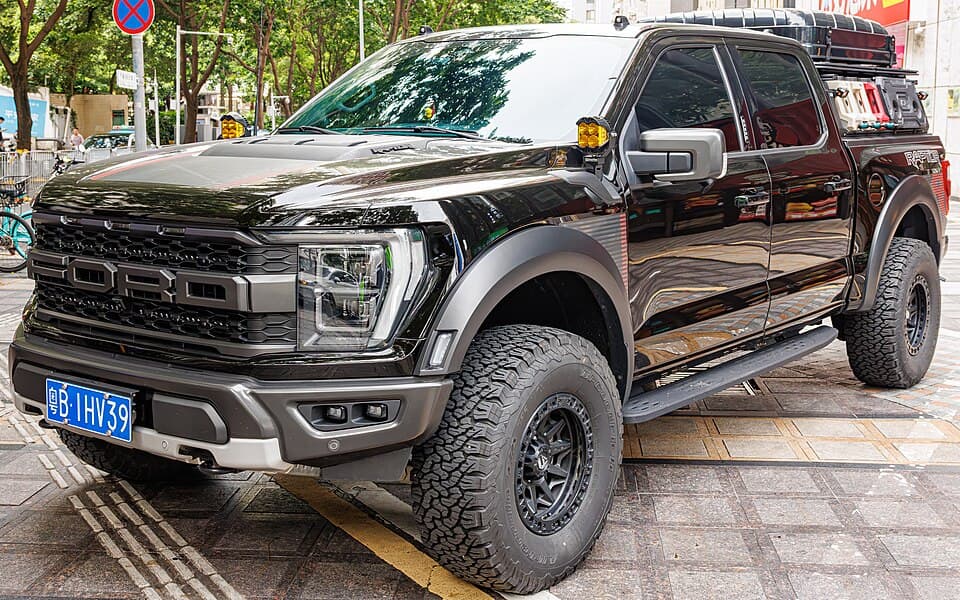
Raptor R Years: 2023 vs 2024 vs 2025, What Actually Changed
Three model years in, the Raptor R's changes are one real power bump, one shock upgrade it inherited from the base truck, and a lot of badge-identical sheet metal that sellers price very differently. Here is the year-by-year truth and which one to buy used.
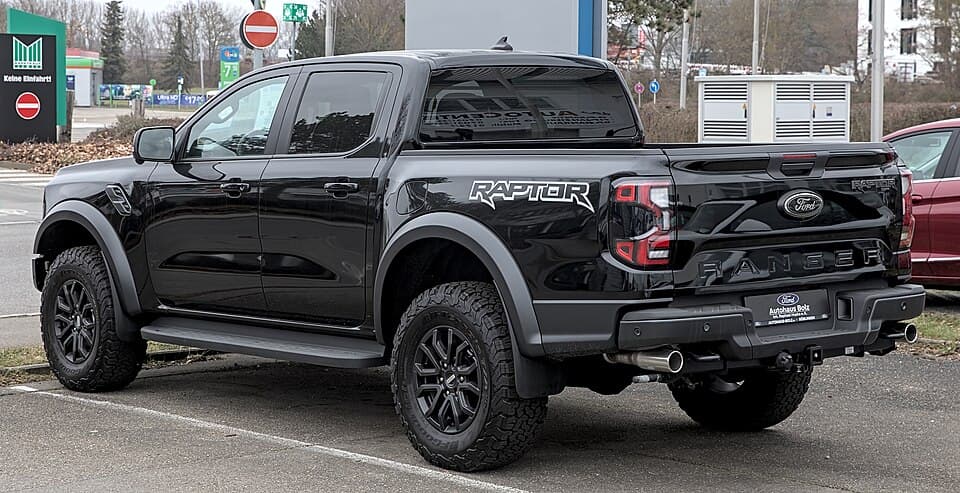
Ranger Raptor Specs: Engine, 0-60, and What It Actually Costs
The Ranger Raptor runs a 405 hp 3.0L EcoBoost V6 with Fox Live Valve shocks in a midsize body, which makes it the cheapest way into a real Raptor and the slowest truck to wear the badge. Here are the honest numbers and who it actually fits.
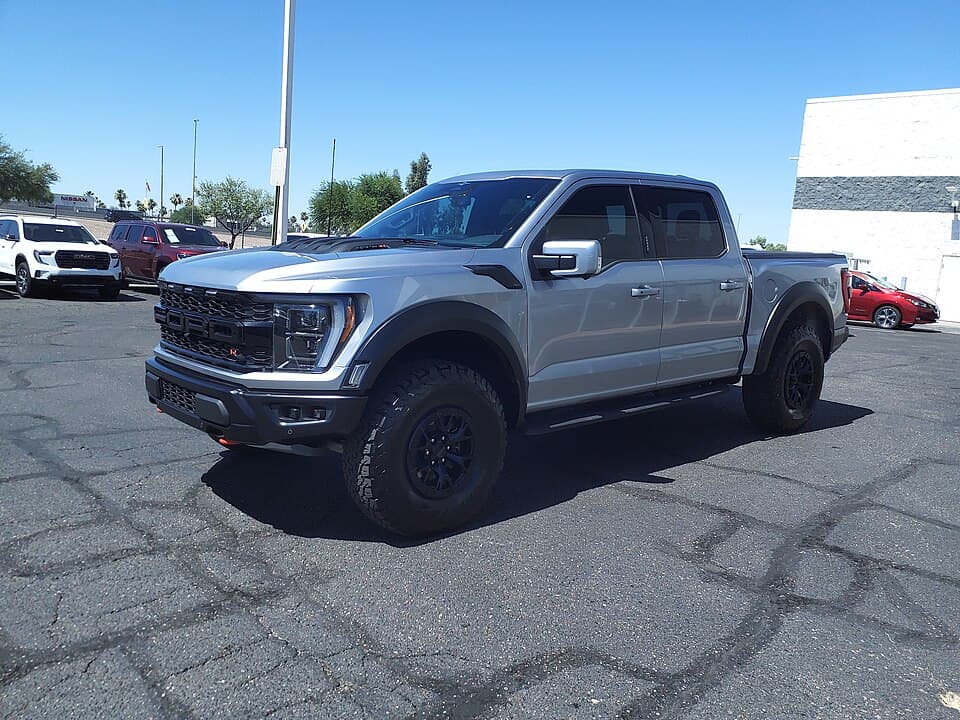
Used Raptor R Buying Guide: What to Check Before Six Figures
A used F-150 Raptor R is a six-figure supercharged truck that may have lived a hard life at half its warranty, and the checks that matter are not the ones a regular used-truck inspection covers. Here is the year-by-year rundown, the R-specific inspection list, and what they really sell for.
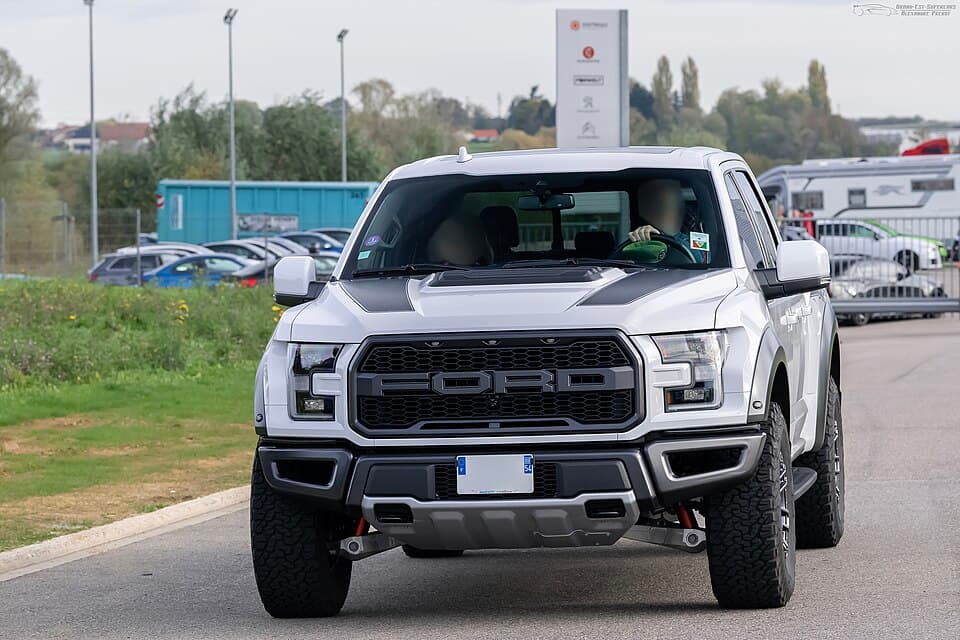
Ford Raptor Insurance Cost: What Owners Actually Pay by Generation
Raptor insurance runs meaningfully above a regular F-150 because the truck costs more to buy, more to fix, and gets stolen more, and a Raptor R compounds all three. Here is what moves the premium and honest ranges by generation, without pretending we can quote yours.
Ford Raptor Payload: What It Can Actually Carry
A Raptor's payload is roughly 1,200-1,400 lb depending on generation and options, which is less than a base XL F-150 and disappears fast once you add a bed rack, a rooftop tent, and four adults. Here is the number by generation and how to read your own door sticker.
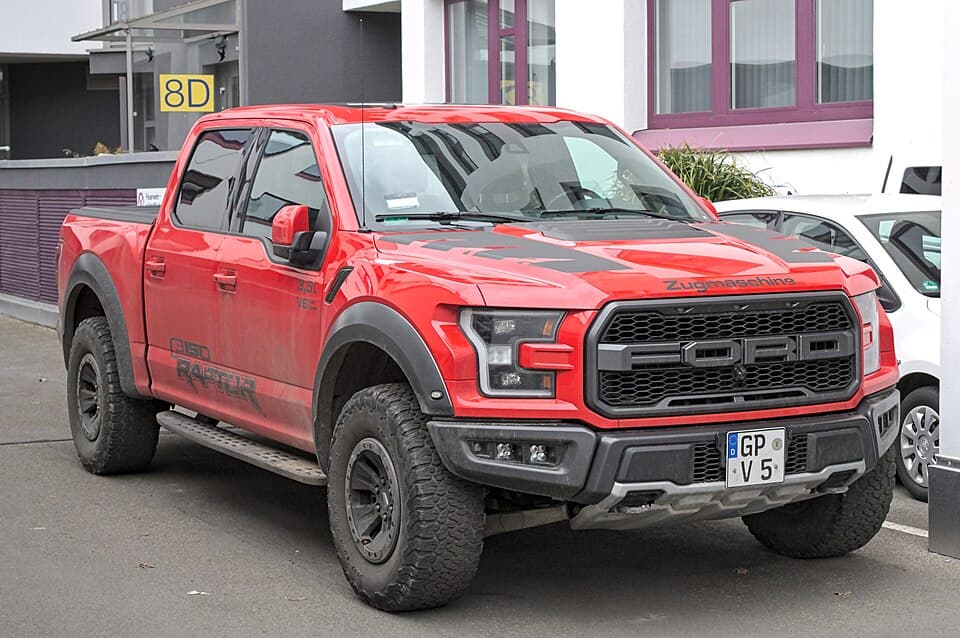
2017 Ford Raptor 4-Door: SuperCrew vs SuperCab, Which to Buy
Most 2017 Raptor searches are really a cab question: the 4-door SuperCrew outsold and outholds-value the SuperCab, but the shorter cab is lighter, cheaper, and slightly better in the dirt. Here is the honest tradeoff and what each configuration runs used.
2021 Ford Raptor: Specs, Problems, and What to Pay
The 2021 Raptor is the Gen 3 launch year: first with the five-link coil rear and Fox 3.1 Live Valve, same 450 hp EcoBoost, and the launch-year software and cam phaser gripes that go with being first. Here is what a used one costs in 2026 and what to check before you buy.
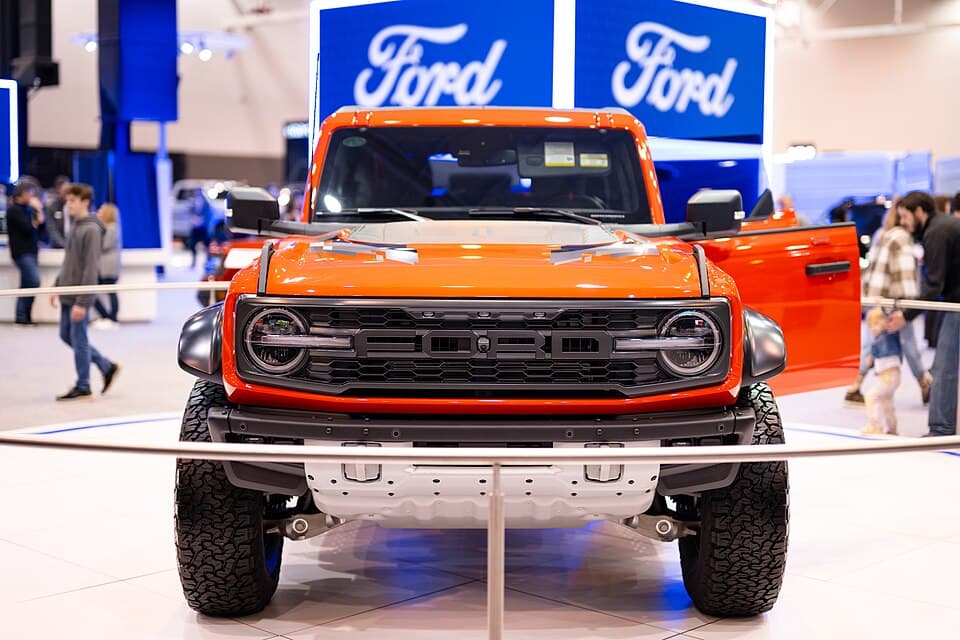
Bronco Raptor Specs: Engine, Horsepower, and 0-60, All the Real Numbers
The Bronco Raptor runs a 418 hp 3.0L EcoBoost with 37s standard from the factory, and here is what those numbers actually mean on a trail. Plus the front-end clunk and fuel bills worth budgeting for before you sign.
Raptor R Engine: The Supercharged 5.2L V8, Explained
The Predator makes 700 hp in 2023 and 720 hp from 2024 on, and the bump came from calibration and intake work, not new hardware. Here is what the 5.2 supercharged V8 actually shares with the GT500, what it costs to keep fed, and where it wears differently than a stock Raptor.
2023 Ford Raptor: Specs, Problems, and What to Pay
The last pre-refresh Gen 3 Raptor runs the same 450 hp EcoBoost and single-valve Fox 3.1 shocks as 2021-2022, while the 700 hp Raptor R joins the lineup above it for the first time. Used 2023 base Raptors run roughly $57,000-79,000 in 2026, with a used Raptor R averaging closer to $102,000.
2022 Ford Raptor: Specs, Problems, and What to Pay
The 2022 F-150 Raptor is a Gen 3 carryover year running the same 450 hp EcoBoost and single-valve Fox 3.1 shocks as 2021, with no Raptor R yet and a cam phaser rattle that still clusters on this model year. Used 2022 trucks average roughly $63,000 in 2026, ranging $52,000-72,000 depending on mileage and the 37 Performance Package.

2011 Ford Raptor: Specs, Problems, and What to Pay
The 2011 Raptor made the 411 hp 6.2L V8 the only engine and added the SuperCrew cab, and it is the cheapest way into Raptor ownership at $28,000-36,000. Fifteen years on, condition decides everything, so we cover the inspection that separates a deal from a money pit.
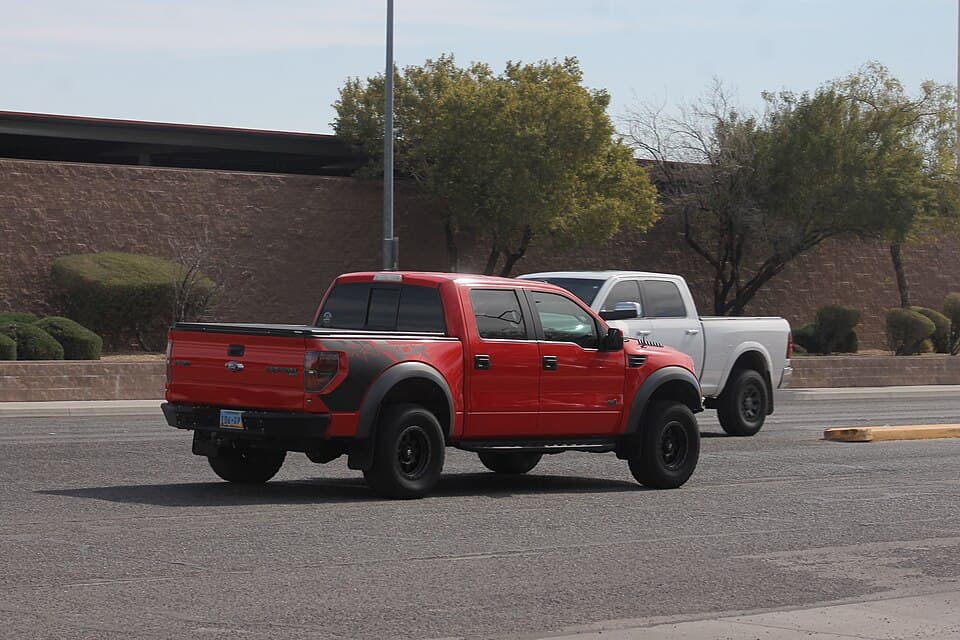
2013 Ford Raptor: Specs, Problems, and What to Pay
The 2013 Raptor added factory beadlock-capable wheels and HID headlamps to the 6.2L Gen 1 formula, and a clean one runs $34,000-45,000 today. We cover the specs, the frame and IWE checks that matter at this age, and why 2013-2014 tops Gen 1 pricing.
2024 Ford Raptor: Specs, Problems, and What to Pay
The 2024 refresh brought Fox Dual Live Valve shocks, a new front end, and twin 12-inch screens, and a used one runs roughly $63,000-86,000 in 2026. We cover the 37 Performance Package, the recalls actually on record, and how close to new-truck money a used one sits.
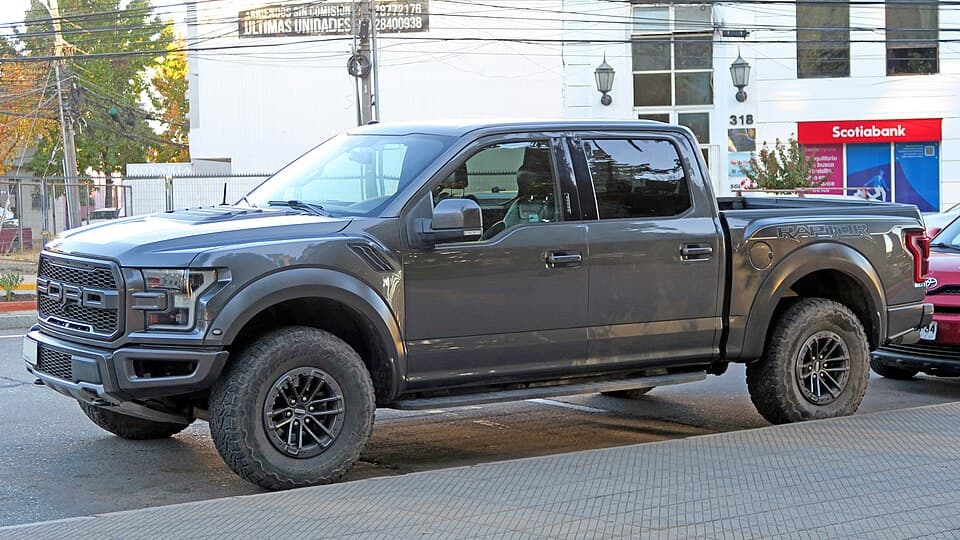
2020 Ford Raptor: Specs, Problems, and What to Pay
The 2020 Raptor is the last leaf-spring Raptor and the most sorted year of Gen 2, running $48,000-58,000 today. We cover the late-production phaser update, what carried over from 2019, and why this year tops the generation price band.
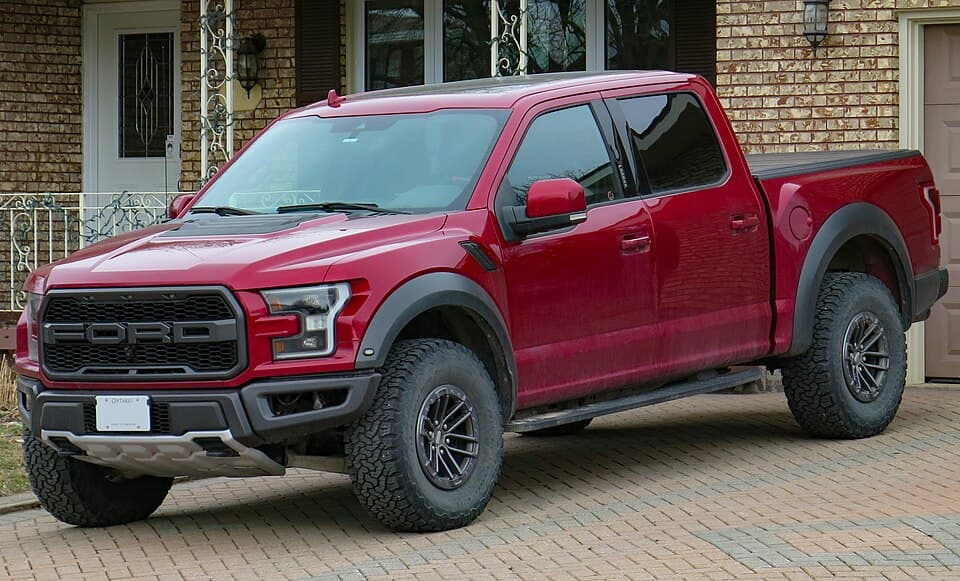
2019 Ford Raptor: Specs, Problems, and What to Pay
The 2019 Raptor brought Fox Live Valve shocks and Trail Control to Gen 2, and a clean one runs $44,000-58,000 today. We cover what the electronics actually change, the phaser question at this mileage, and whether the premium over a 2017-2018 is worth paying.
2018 Ford Raptor: Specs, Problems, and What to Pay
The 2018 F-150 Raptor is mechanically identical to the 2017 launch truck without the first-year premium, which makes it the value pick of the whole Gen 2 run. Here is what a good one costs in 2026 and the two checks, cam phasers and the water pump, that actually set the price.
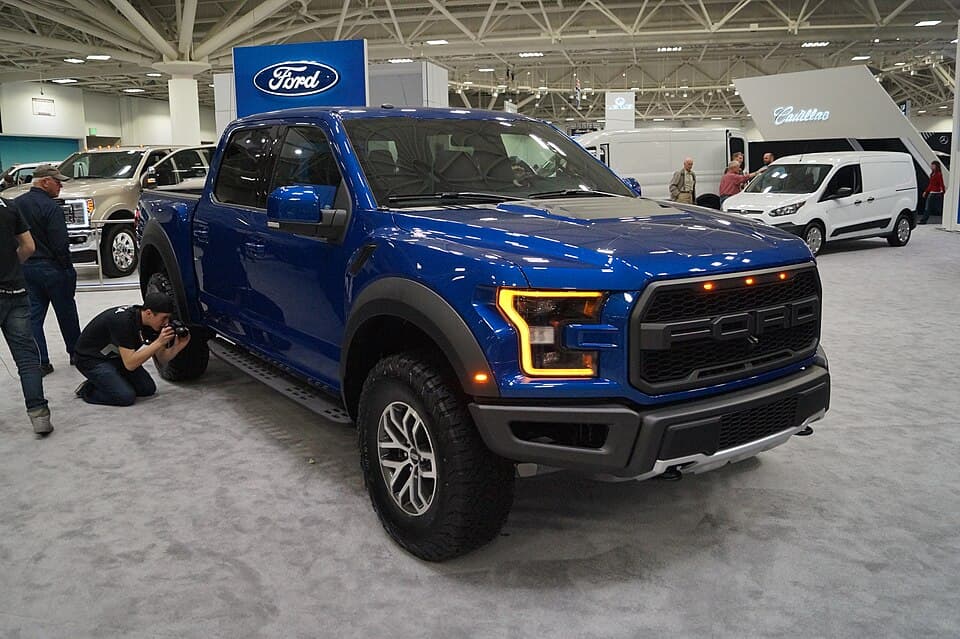
2017 Ford Raptor: Specs, Problems, and What to Pay
The 2017 Raptor launched Gen 2 with the first EcoBoost engine, a 10-speed automatic, and an all-new aluminum body, and a clean one runs $38,000-48,000 today. The cam phaser rattle is the issue that decides the price, so we cover the specs, the two-tier used market, and who should actually buy one.
What a Ford Raptor Actually Costs to Own Per Year
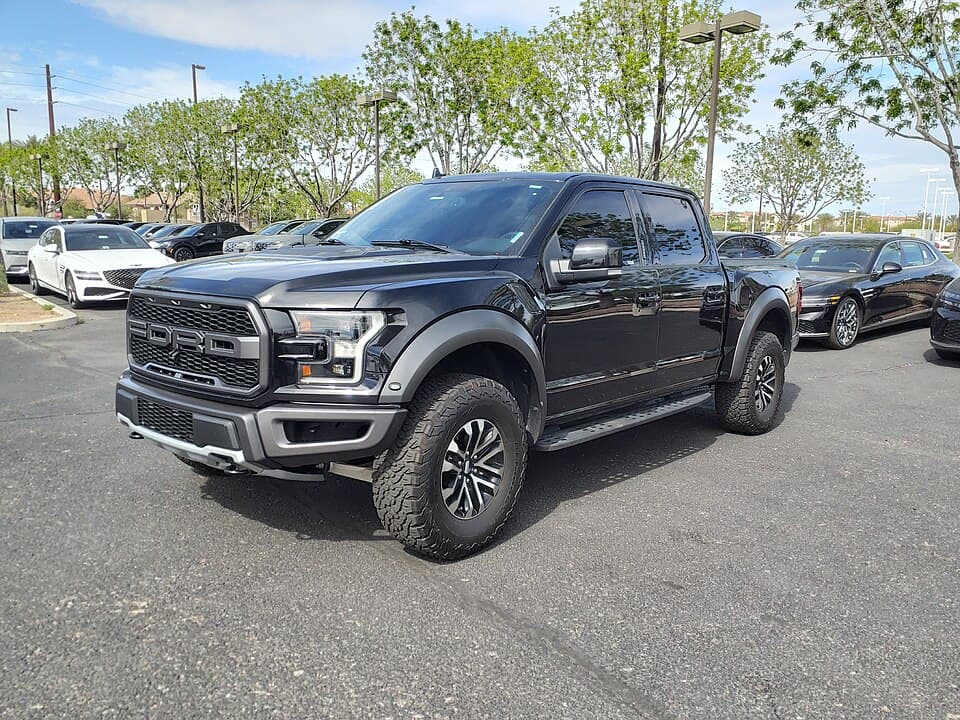
Fuel, insurance, maintenance, and tires run $6,000 to $10,000 a year on a Gen 2 or Gen 3 daily driver, and insurance and tires are the two lines that catch new owners off guard. We built a five-year model, generation by generation, showing where depreciation fits in.
Buying a Used Gen 3 Raptor: Warranty Math and What to Check
A used Gen 3 Raptor is a warranty-math problem more than a year-math one, and a 2022 inside its powertrain window is the practical sweet spot over an identical 2021. This guide works the coverage math, shows how to verify the 37 Performance Package against the door sticker, and covers the checks a PPI should catch.

Buying a Used Gen 2 Raptor: What to Check Before You Pay
Clean Gen 2 trucks run $38,000-58,000 and a documented 2018 is the value pick, but two checks decide the deal: the cold-start phaser rattle and coolant-in-oil from the internal water pump. We cover both tests in detail plus the 10R80 shift behavior, tune honesty, and negotiating by condition.
Buying a Used Gen 1 Raptor: The Full Inspection Checklist
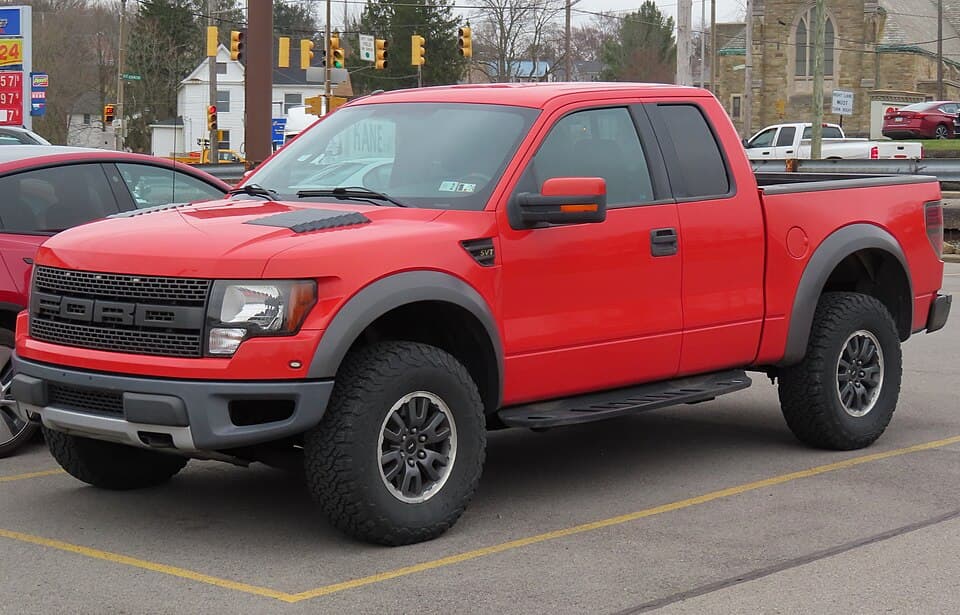
A clean Gen 1 runs $28,000-45,000 in 2026, but frame rust and the 6.2L cam phaser rattle are the two checks that actually move the price. Here is every inspection item, what it costs to fix, and when to walk and buy a Gen 2 instead.
How Long Do Ford Raptors Last? Mileage Reality by Generation
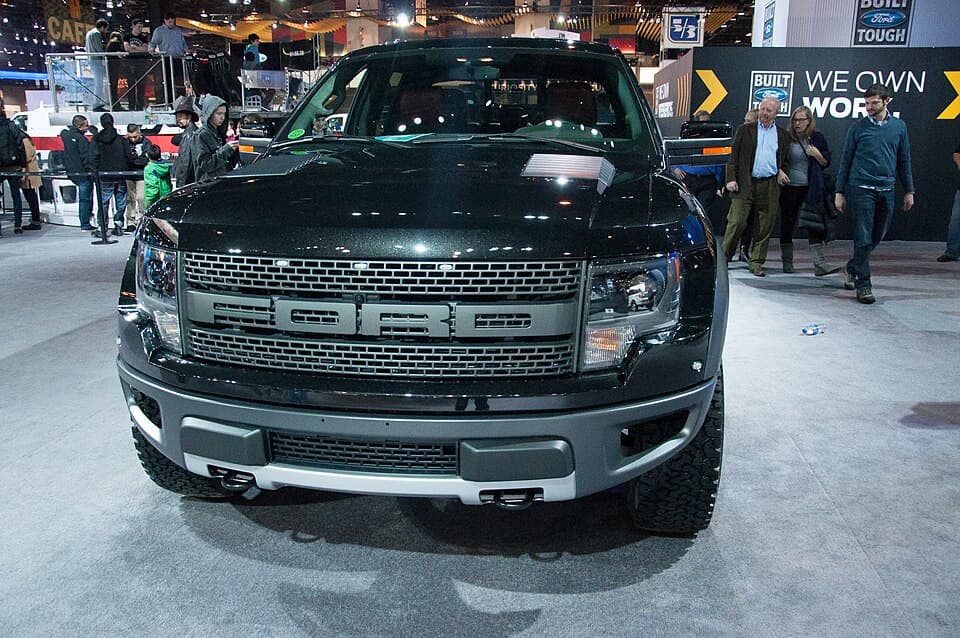
A maintained Raptor is a 200,000-mile truck built on proven F-150 hardware, but each generation has its own mileage gates. Here is what actually kills them, and what it takes to avoid it.
How Much Is a Ford Raptor? 2026 Prices for Every Model
MSRP by model, what dealers actually charge over sticker, and the options that move the price the most on each Raptor. Plus used ranges by generation and whether the Section 179 business deduction applies to you.
Ford Raptor MPG: What Owners Actually Get
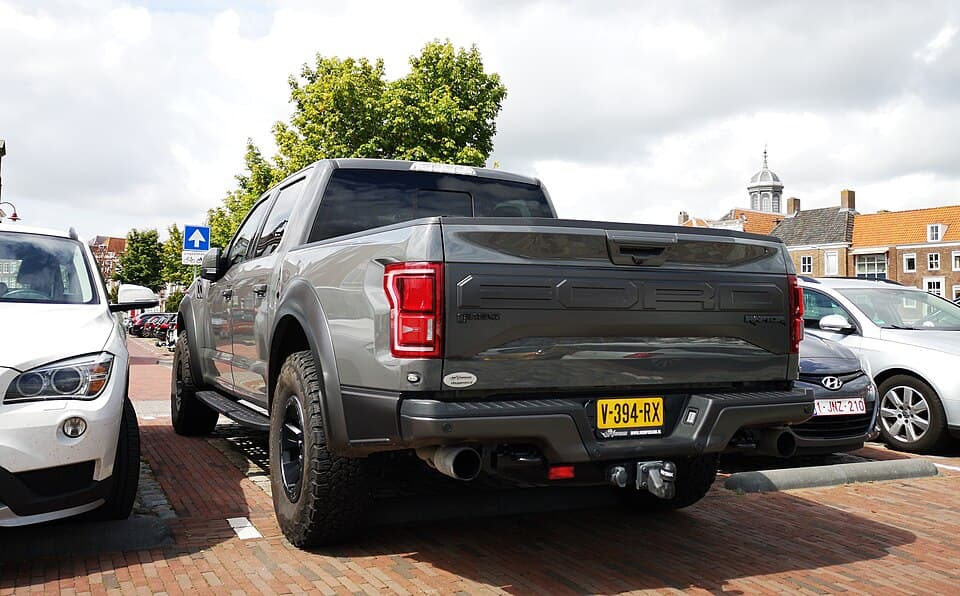
EPA ratings look nothing like what owners actually see, and the gap gets worse with 35s versus 37s, a lift, or a heavy right foot. We break down real mixed and off-road mpg by generation, plus the annual fuel-cost gap against a regular F-150.
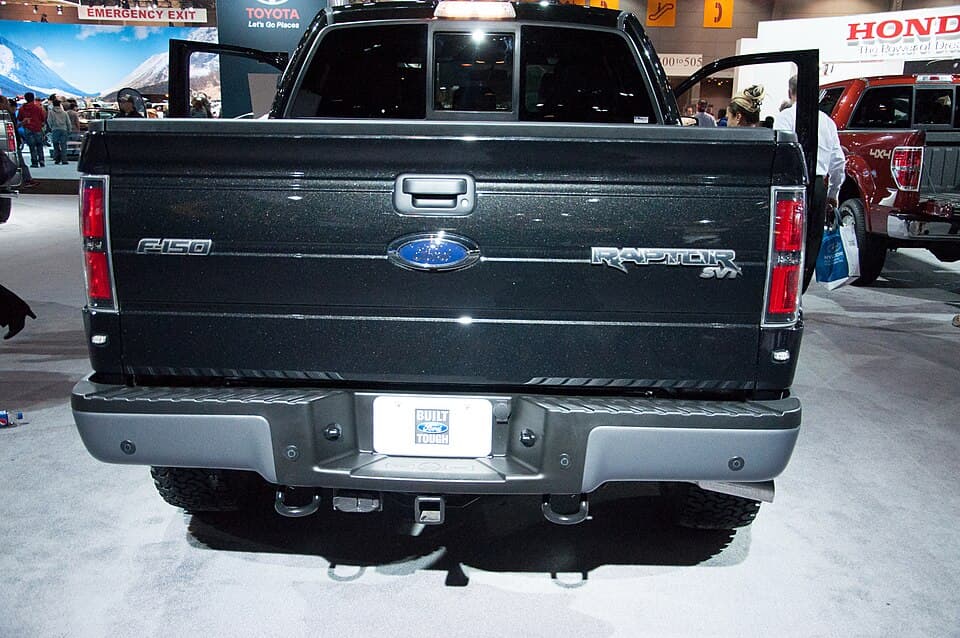
Ford Raptor Towing Capacity: Every Generation, Real Numbers
The Gen 3 Raptor tops out at 8,200 lbs, and every generation before it tows less than a regular F-150 for the same reason: suspension, not power. Here is the real number for every Raptor, Raptor R, Ranger Raptor, and Bronco Raptor Ford has built, plus what payload actually looks like once you add armor.
What a Raptor R Actually Costs to Own, Not Just to Buy
The supercharged 5.2 returns 12 to 15 mpg in real mixed driving, and insurance and tire wear both run well above a Gen 3. We built a five-year cost model against a Gen 3 High to show the actual gap.
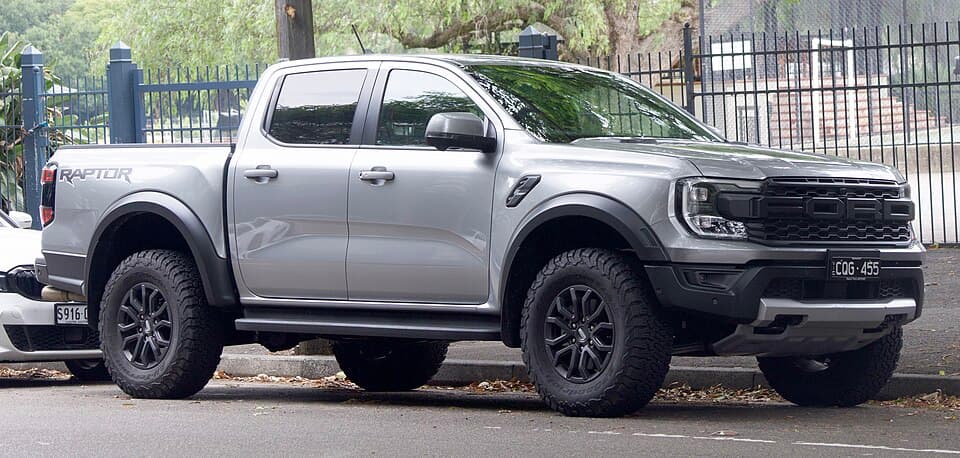
Is the Ranger Raptor Actually Big Enough?
Coming from a full-size F-150 Raptor, the bed and cab both feel smaller than the spec sheet suggests. We measured cargo volume and rear legroom against the Gen 3 to give you real numbers instead of a vibe.
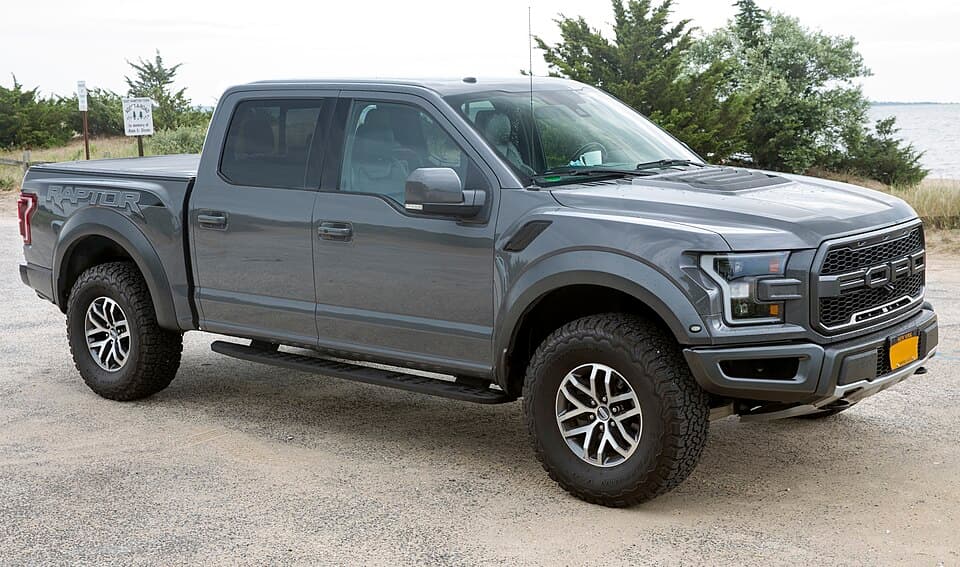
The Best Ford Raptor Year to Buy in 2026
Depreciation curves, known-issue windows, and what generation gives you the most truck per dollar right now. Includes the years to avoid and why.
Comparison
30Ford Raptor vs Ram Power Wagon: Desert Truck vs Rock Crawler
The Raptor and Power Wagon both wear an off-road badge, but one is built to fly across whoops and the other to crawl over boulders on a locked solid axle. This comparison breaks down the real mechanical differences, price gap, and use cases to show which truck actually fits your terrain.
Ranger Raptor vs. Jeep Gladiator Mojave: Which Desert Runner Actually Wins?
One is a mid-size truck built around long-travel Fox suspension and desert-running speed, the other a body-on-frame Jeep tuned for the same Mojave-road punishment. We compare ride quality, livability, and price as-tested to say which one you should actually buy.
Ford Raptor vs F-150 Lightning: Gas Performance Truck or Electric Torque?
One is a factory off-road missile with a turbocharged V6 or supercharged V8, the other is an electric F-150 with instant torque and no low-range gearing. This is a real cross-shop for buyers who want a capable, quick F-150 and haven't decided if electric changes the calculus.
Ford Raptor vs. Rivian R1T: Gas Off-Road Icon vs. Electric Challenger
The R1T markets itself as a genuinely capable off-roader with instant torque and available quad-motor traction control, putting it in the same conversation as the Raptor for the first time. This comparison looks at real off-road hardware, the towing-range penalty EVs face, and total cost of ownership to see whether the electric option actually competes.
Bronco Raptor vs. Jeep Wrangler Rubicon 392: Which Off-Road Icon Actually Wins
One is a turbo V6 with live-valve suspension, the other a naturally aspirated Hemi V8 on factory coilovers, and both land around six figures used or new. This comparison weighs powertrain character, articulation, and real ownership costs to settle which one actually suits you.
Ranger Raptor vs. Chevy Colorado ZR2: Which Mid-Size Off-Roader Actually Wins
Both trucks chase the same buyer with turbocharged power and trick dampers, but they solve the off-road problem in different ways. Here's which one actually fits your terrain, budget, and daily use.
Ranger Raptor vs. Tacoma TRD Pro: Which Off-Road Mid-Size Wins?
Both trucks promise factory-built off-road capability without stepping up to full-size, but they get there with very different engineering. Here's how they actually compare on power, suspension, livability, and price.
Ford Raptor vs Ram 1500 TRX: The Comparison That Still Matters Used
Ram discontinued the TRX, but both trucks sit on the used market at similar money and buyers still cross-shop them constantly. Here's how they actually compare now that one of them is out of production.
Ford Raptor vs GMC Sierra AT4X: Which Factory Off-Roader Actually Wins
Both trucks promise off-road capability straight from the factory, but they get there with very different suspension philosophies and very different price tags. We compare where each one actually pulls ahead and who each one is really built for.
Ford Raptor vs Chevy Silverado ZR2: Which Off-Road Half-Ton Is Worth the Money
Chevy's ZR2 and ZR2 Bison have closed the capability gap with the Raptor on paper, but the trucks feel and cost very differently in practice. This is a straight comparison of ride, off-road hardware, and total price to decide which one earns its premium.
Ford Raptor vs Toyota Tundra TRD Pro: Which High-Performance Truck Actually Wins
Both trucks promise desert-ready suspension and a factory warranty, but they get there in very different ways. Here's how they actually compare on capability, cost, and reliability reputation once the spec sheets are put aside.
Ranger Raptor vs F-150 Raptor: Which Truck Actually Fits You
One is a midsize truck built for tighter trails and a lower price, the other is a full-size off-road icon with more payload and towing muscle. This lays out where each actually wins so the choice isn't just about badge size.
Bronco Raptor vs Bronco Wildtrak: Is the Upgrade Actually Worth It
The Raptor trim adds a wider track, bigger tires, and different suspension for a real price jump over a well-equipped Wildtrak. This piece works out what that money actually buys on trail and on the street, and who should skip it.
Gen 2 vs Gen 3 Ford Raptor: Which Generation Should You Actually Buy
Both generations share the 3.5L EcoBoost badge but differ in suspension tech, reliability history, and price today. This is a head-to-head for someone cross-shopping a used Gen 2 against a newer Gen 3 with a real budget in mind.
Raptor vs F-150 Tremor: Which One You Should Actually Buy
The Tremor is the closest thing Ford sells to a cheaper Raptor, and for a lot of buyers it is the smarter truck. The split comes down to speed versus payload.
Raptor vs a Regular F-150: Is the Premium Actually Worth It?
For the price gap between a loaded F-150 and a Raptor you could buy a lot of truck, or a lot of parts. The honest answer depends on where you actually drive, not on what the badge is worth.
Running St. Anthony Sand Dunes in a Raptor: What to Know Before You Go
St. Anthony is Idaho's 10,000-acre answer to Glamis, with taller hills than you expect, cooler summers than the Southwest, and a fraction of the crowd. Here is the season, the access, and how the dunes ride in a full-size truck.
Running Windrock Park in a Raptor: What to Know Before You Go
Windrock is 73,000 acres of Tennessee mountain trails, the biggest privately owned riding area in the country, and its rating system tells you exactly which of its 300+ miles a full-size Raptor belongs on. Here is the permit, the trail honesty, and the East Coast reality check.
Running Silver Lake Sand Dunes in a Raptor: What to Know Before You Go
Silver Lake is the Midwest's only drive-on dune complex, 450 acres of Lake Michigan sand with a mandatory flag and a scramble for summer weekends. Here is how the ORV area actually works, what a full-size truck handles there, and the test hill honesty.
Running Sand Hollow in a Raptor: What to Know Before You Go
Sand Hollow stacks orange dunes against slickrock ledges twenty minutes from St. George, and it is one of the few parks where a stock Raptor can do both in one tank. Here is what the truck handles, what it does not, and how the park actually works.
Running Ocotillo Wells in a Raptor: What to Know Before You Go
Ocotillo Wells is 85,000 acres of free, open-riding California desert next door to Anza-Borrego, and it is one of the best places in the state to learn what a Raptor does at speed. Here is the terrain by zone, the rules, and what to bring.

Running Glamis in a Raptor: What to Know Before You Go
Glamis is the biggest sand dune complex in North America and a stock Raptor handles it better than almost any factory truck, if you air down, run a flag, and stay out of the bowls beyond your skill. Here is the permit, the pressures, and where a full-size truck fits among the buggies.

Running Johnson Valley in a Raptor: What to Know Before You Go
The open desert, sand washes, and dry lake beds are stock Raptor territory, but the Hammers canyons that made this place famous are built for buggies on 40s, not full-size trucks. Here is where a factory truck fits, where it does not, and what the Marine Corps shared-use closures mean for your trip.
Ford Raptor Engines: Every Generation, Explained
Every engine that has ever worn the Raptor badge, from the 2010 5.4L V8 through the 720 hp Raptor R, with the oil capacity and spec for each. Includes the known weak points per engine so you know what to budget for before it breaks.
Raptor vs Raptor R: What the Extra Money Actually Buys
The Raptor R costs $28,000-37,000 more than a standard Gen 3 to buy, and the gap keeps widening after the sale. We break down what the supercharged 5.2 actually adds, what stays identical, and who should pay for it.
35s vs 37s on a Raptor: Every Tradeoff, Measured
35s ride the way Ford tuned the truck, cost less at the pump, and never start the regear conversation, while 37s buy measurable clearance and desert stability for a real price in mpg, gearing, and cash. This is the full tradeoff table plus the fender, gearing, and drivetrain-wear math by generation.
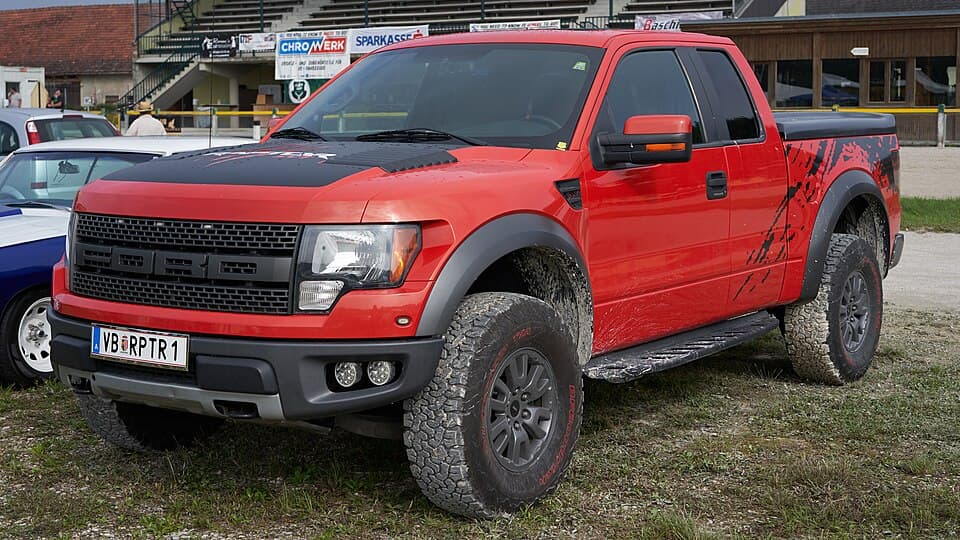
Ford Raptor 0-60: Every Generation, Real Numbers
The Raptor R runs 3.6 to 3.9 seconds to 60 while a base Gen 3 needs 5.2 to 5.6, and the gap between them matters less off-road than the spec sheet suggests. Here is every generation's tested number, why the published figures never agree, and what 37s and a tune actually do to them.
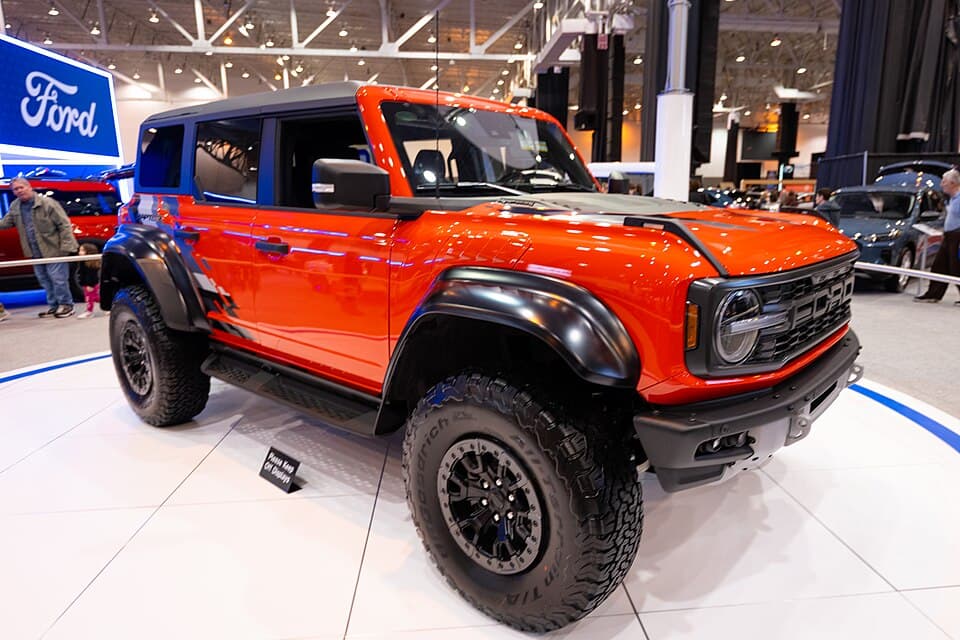
Gen 3 F-150 Raptor vs Bronco Raptor: Same Money, Very Different Truck
They overlap almost exactly on price once you option a Bronco Raptor up, but they are not competing for the same buyer. This is the honest breakdown of who each one actually fits.
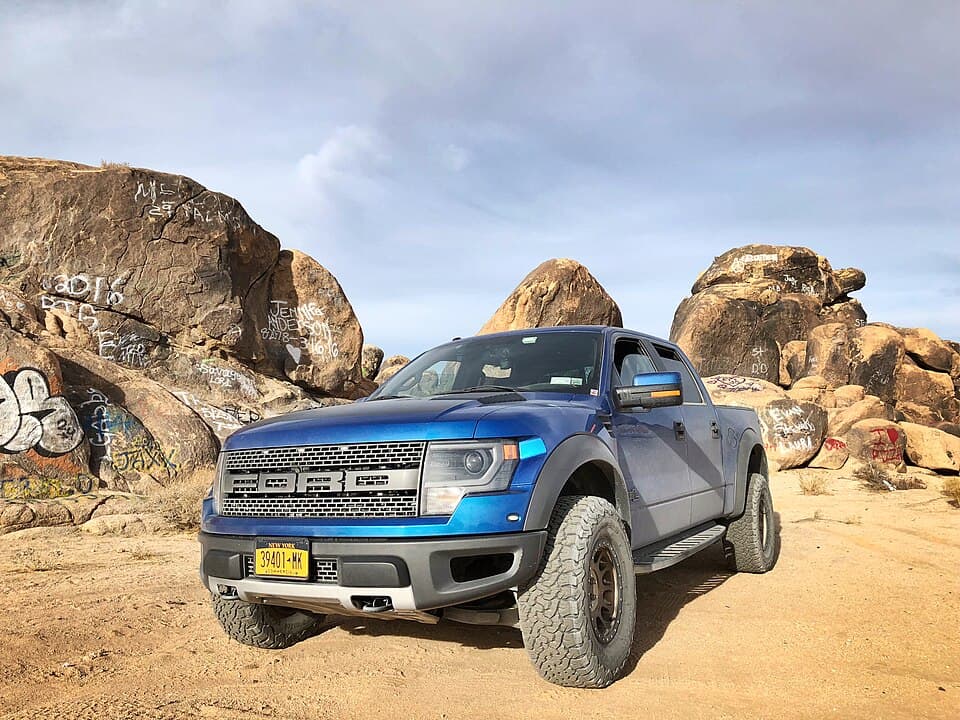
Can a Stock Raptor Run Moab?
Hell's Revenge and Poison Spider do not require lockers or 37s the way forum lore suggests, but two obstacles will humble a stock Gen 3. We ran the full loop bone stock to find out exactly where it struggles.

Raptor R vs RAM TRX vs Ram 1500 RHO: The Honest Verdict
One of these three is being discontinued, one is down two cylinders and a supercharger, and one still wins on the trail regardless. We drove all three back to back on the same desert loop to settle it.