Aftermarket Raptor Front Bumpers: What Fits, What It Weighs, What It Costs
An aftermarket front bumper buys you a winch mount, real recovery points, and light real estate, and it costs you 100-200 lb on the nose of a truck whose suspension was tuned without it. Here is how the big names compare and when the stock modular bumper is the smarter call.
Gear in this article
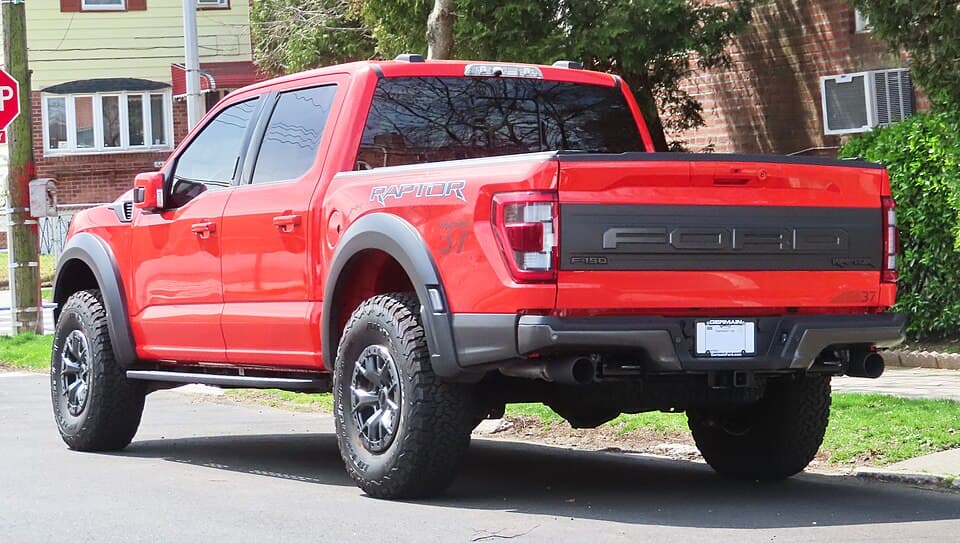
A stock Raptor front bumper has no real recovery points and no clean place to bolt a winch. That is the entire reason this category exists. The tradeoff is that any steel replacement worth buying adds roughly 100-200 lb to the nose, on a truck whose front springs and shock valving were tuned for the factory bumper's weight, so you are not just buying a bumper, you are buying a suspension change you didn't ask for.
Why owners actually swap the bumper
Three reasons show up in that order of priority for most buyers:
- Winch mounting. The stock bumper on every generation, Gen 1 through Gen 3, was never designed around a winch. There is no fairlead opening sized right, no internal mounting plate, and the plastic corners crack under load.
- Recovery points. The factory tow hooks are rated for light snatch use at best. A steel bumper with shackle mounts or a receiver gives you a rated pull point that will not bend a valance chasing it.
- Approach angle and light real estate. A tighter, higher front bumper improves your approach angle on rocks and ledges, and it opens up flat surface for Baja Designs light options or a smaller fog-light pod, which the stock fascia has no good place for.
If you are running trails like Moab or anything in Johnson Valley, the approach angle and recovery point arguments are real, not cosmetic.
The weight problem nobody puts on the spec sheet
A steel front bumper plus a winch commonly adds 100-200 lb over the stock setup, and that number swings by bumper design and winch model, so treat it as an estimate, not a spec. That weight sits ahead of the front axle, which is the worst place to add mass on a truck like this.
Ford tuned the Gen 2 and Gen 3 front suspension, the coilover valving, the bump stop engagement, the ride height, around a known front axle weight. Add 100-200 lb on the nose and you get faster bump-stop contact on G-outs, a nose-heavy feel in braking, and less usable front travel before you touch the bump stops. It also eats into your payload rating, which matters more on a Raptor R that already has less margin than a base Gen 3 Raptor because of the supercharged 5.2's extra weight up front.
None of this means don't do it. It means if you're running a heavy steel bumper and a winch, you should be pricing your front coilover valving and spring rate at the same time, not after the fact. Owners running a King 3.0 Performance Series coilover kit or Fox 3.0 internal bypass shocks generally set them up for the truck's as-built weight, winch bumper included, rather than trying to correct for the added nose weight after the fact with the same valving Ford used for the stock bumper. If you're already deep enough into a build to be pricing 37s and coilovers, the math is the same one covered in what it costs to put 37s on a Gen 2 Raptor: everything you add up front compounds with everything else.
Comparing the big names: ADD Stealth Fighter vs HoneyBadger
Both bumpers come from the same maker, ADD (Addictive Desert Designs), and both fit the Raptor lineup, but they solve different problems.
| Spec | ADD Stealth Fighter | ADD HoneyBadger |
|---|---|---|
| Winch ready | Yes, standard winch plate | Yes, standard winch plate |
| Recovery points | D-ring shackle mounts, no factory tow hook return | D-ring shackle mounts, no factory tow hook return |
| Light mounting | Slimmer profile, smaller light cutouts | Wider face, room for a full light bar plus fog pods |
| Approach angle | Tighter, more aggressive tuck | Slightly less aggressive than Stealth Fighter, more front-end coverage |
| Best for | Weight-conscious builds, desert running | Rock-heavy trails wanting more brush and skid coverage up front |
Neither bumper is "the lightweight one." Both are steel, both add real weight over stock, and the difference between them is a matter of pounds, not a category shift. Pick based on approach angle and light mounting needs, not weight. For an exact number on either bumper, check the current spec sheet on its mod page before you order, since running changes happen.
On the rear, the common pairing is the ADD Bomber rear bumper, which gives you the same shackle-mount recovery logic on the back half of the truck and clears larger tires better than the stock rear step bumper once you're running 35s or 37s. That pairing matters if you're also chasing the tradeoffs in 35s vs 37s on a Raptor.
When the 2024+ factory modular bumper is the smarter call
If you own a 2024 or newer Gen 3 Raptor, Ford built a factory modular front bumper into the refresh that accepts a winch without cutting the fascia. That is a real departure from every prior generation, where the plastic corner had to be trimmed or removed to fit an aftermarket bumper's winch plate.
For a 2024+ Gen 3 owner who wants a winch and nothing else, stock is the right answer. You keep the factory radar and parking sensor locations undisturbed, keep the weight close to stock, and still get a winch mount. You lose the aggressive approach angle and the shackle-style recovery points a steel aftermarket bumper gives you, so if you're building for Johnson Valley rock lines rather than a tow strap emergency, the calculus swings back toward aftermarket. Check the 2024 Raptor specs and value page if you're still deciding between a 2024+ Gen 3 with the modular bumper and an older Gen 2 that will need the aftermarket route regardless.
Install reality: labor, sensors, and what actually goes wrong
Bolting on a steel front bumper is not a bolt-in job on any Raptor generation with driver-assist hardware.
Gen 2 (2017-2020, 3.5 EcoBoost): Simpler install, no radar to relocate. Shops commonly quote this at roughly 3-5 hours of labor, and expect to reuse or discard the factory fog light harness depending on the bumper's light provisions.
Gen 3 (2021+): The forward-facing radar for adaptive cruise and the parking sensor array live in or near the factory bumper. Any aftermarket bumper swap on a Gen 3 needs the radar module relocated and recalibrated, which most competent shops handle but which adds real time and cost. Budget more labor than a Gen 2 job, roughly 5-8 hours as an estimate, and confirm with the shop upfront whether they have the calibration tool for the radar, because guessing here means a Raptor that throws adaptive cruise faults on the highway.
Across generations, total install cost including the bumper itself varies widely by shop and by whether a winch goes on at the same time, so call around with your specific bumper and winch combo before you commit to a number. A bumper-only install on a Gen 2 with no winch is a different job, in hours and in dollars, than a winch-equipped bumper on a Gen 3 that also needs radar recalibration.
If you're picking a winch to go with either bumper, read Best Winch for a Raptor That Actually Fits Behind the Stock Bumper first, because fitment behind these aftermarket bumpers is different from stock and the fairlead opening size matters more than winch pulling capacity for most owners. A Warn Zeon 10-S winch paired with a Factor 55 FlatLink E is a common setup behind either the Stealth Fighter or the HoneyBadger, but confirm fairlead clearance for your specific bumper before you buy.
The short version
- A steel aftermarket front bumper gets you real recovery points, a proper winch mount, and better approach angle, but it adds an estimated 100-200 lb to the nose and eats into payload.
- The ADD Stealth Fighter and ADD HoneyBadger differ mainly in approach angle and light mounting, not weight; pair either with the ADD Bomber rear bumper for matching recovery points out back.
- If you own a 2024+ Gen 3 Raptor and just want a winch, the factory modular bumper does it with no cutting and no aftermarket install cost.
- Gen 3 installs (2021+) require radar relocation and recalibration for adaptive cruise; budget more labor than a Gen 2 job and confirm the shop has the calibration tool before you pay a deposit.
Owner questions
- How much weight does an aftermarket steel front bumper add to a Ford Raptor?
- A steel front bumper plus a winch commonly adds 100-200 lb over the stock setup, with the exact number varying by bumper design and winch model. That weight sits ahead of the front axle, which is the worst place to add mass, leading to faster bump-stop contact, a nose-heavy braking feel, and less usable front travel.
- What's the difference between the ADD Stealth Fighter and ADD HoneyBadger front bumpers?
- Both come from Addictive Desert Designs, are winch-ready with a standard winch plate, and use D-ring shackle mounts instead of factory tow hooks. The Stealth Fighter has a slimmer profile with a tighter, more aggressive approach angle, best for weight-conscious desert builds. The HoneyBadger has a wider face for a full light bar plus fog pods, better for rock-heavy trails needing more coverage.
- How much labor does it take to install an aftermarket front bumper on a Gen 3 Raptor versus a Gen 2?
- Gen 2 (2017-2020, 3.5 EcoBoost) installs are simpler with no radar to relocate, commonly quoted at roughly 3-5 hours of labor. Gen 3 (2021+) needs the forward-facing radar for adaptive cruise and parking sensors relocated and recalibrated, so budget roughly 5-8 hours, and confirm the shop has the calibration tool before starting.
- Should a 2024+ Ford Raptor owner still buy an aftermarket front bumper for a winch?
- Not necessarily. Ford built a factory modular front bumper into the 2024+ Gen 3 refresh that accepts a winch without cutting the fascia, unlike every prior generation. If you just want a winch, stock keeps the factory radar and parking sensor locations undisturbed and weight close to stock, though you lose the aggressive approach angle and shackle-style recovery points a steel bumper offers.
- What rear bumper pairs well with the ADD Stealth Fighter or HoneyBadger front bumpers?
- The ADD Bomber rear bumper is the common pairing, giving the same shackle-mount recovery logic on the back half of the truck. It also clears larger tires better than the stock rear step bumper once you're running 35s or 37s, which matters if you're also weighing the tradeoffs covered in comparisons of 35s vs 37s on a Raptor.
Deal alert
Shopping for one? Get new listings first
We sweep US dealer inventory and send you new Raptors matching your search — real listings, real asking prices, no spam.