2017 Ford Raptor 4-Door: SuperCrew vs SuperCab, Which to Buy
Most 2017 Raptor searches are really a cab question: the 4-door SuperCrew outsold and outholds-value the SuperCab, but the shorter cab is lighter, cheaper, and slightly better in the dirt. Here is the honest tradeoff and what each configuration runs used.
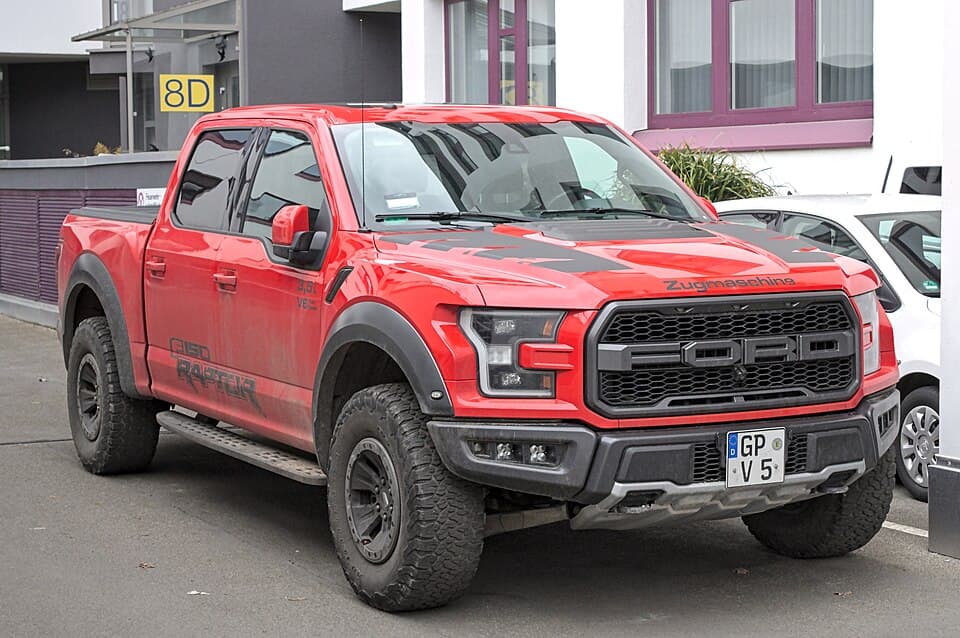
The 2017 SuperCrew is the safer buy for most people and the SuperCab is the enthusiast pick. If you need real back seats or ever plan to sell, get the SuperCrew, a full 4-door on a 145-inch wheelbase. If you want the lightest, shortest, cheapest-to-find Gen 2 and do not care about resale or rear passengers, the SuperCab on a 134-inch wheelbase is the one to chase, if you can even find one.
The actual dimensions, because forums get this wrong constantly
The 2017 Gen 2 Raptor came in exactly two cab configurations, both riding on the same 3.5 HO EcoBoost (450 hp) and 10R80 10-speed automatic. The difference is entirely in the cab and frame length.
SuperCrew is the true 4-door, four full-size doors, rear doors hinged conventionally, back seat with real legroom, built on a 145-inch wheelbase. SuperCab uses two front doors plus a pair of smaller rear-hinged half doors (no exterior handle, they only open once the front door is open) on a shorter 134-inch wheelbase. That 11-inch difference lands almost entirely in the cab, not the bed, since Ford kept bed length close between the two by shifting where the wheelbase goes.
If someone tells you the SuperCab is a 2-door, correct them. It has four doors. What it does not have is four doors that open independently, and that matters more than it sounds like it should once you are wrangling a car seat in a parking lot.
Weight difference and what it actually changes
The SuperCrew's extra cab structure and longer frame add weight over the SuperCab. We do not have a confirmed factory curb weight figure for either 2017 cab we are willing to put a number on here, and forum-quoted weights for this truck vary widely depending on which options and equipment they are pulling from. Do not trust a number you see quoted online, including any range this site has published elsewhere. The only figure worth acting on is the one stamped on the door-jamb weight sticker of the actual truck in front of you, since options like the moonroof, the graphics package, tow equipment, and even the spare tire can move it meaningfully.
What we can say with confidence: the SuperCrew is heavier than the SuperCab of the same model year, and the gap is real but not dramatic in the context of a truck this size. Treat any specific pound figure you see as someone's estimate, not a spec.
Off-road, the SuperCab's shorter wheelbase and lighter nose give it a slightly quicker turn-in and a bit less mass to manage over whoops and braking bumps. Owners who have run both back to back describe the SuperCab as feeling marginally more eager in tight technical terrain and slightly better on breakover angle given the shorter overall length. It is a real difference, but it is not the difference between a truck that can run a fast desert trail and one that cannot. A stock SuperCrew is still plenty capable; see our take on whether a stock Raptor can handle a real trail for the honest ceiling on either cab in factory form.
At the pump, the weight gap is small enough that fuel economy differences between the two cabs are mostly noise once you account for tire choice, driving style, and altitude. Do not pick a cab based on expected MPG. Pick it based on wheelbase and doors. For a broader look at what these trucks actually return in the real world, see Ford Raptor MPG: what owners actually get.
Resale reality: SuperCrew is the market, SuperCab is the outlier
This is the part that should decide it for most buyers. The SuperCrew was the overwhelming volume seller in 2017 and it dominates used listings today. Go look at any marketplace search for a 2017 Raptor and the SuperCab will be the truck you have to dig for, not the one you have your pick of.
That scarcity cuts both ways. SuperCab values have held up reasonably well precisely because there are fewer of them and a subset of buyers specifically want the shorter, lighter cab. But when you go to sell, you are selling into a much thinner pool of interested buyers. The SuperCrew sells faster, to a wider range of buyers, at a price the market has already settled on.
Site-wide 2017 F-150 listings (all trims, not Raptor-specific) average around $35,030 across roughly 320 live listings, which gives you the general 2017 truck-market floor, not a Raptor number. Raptor-specific SuperCrew trucks in clean condition typically command a real premium over that all-trim average, and the 2017 Raptor specs, problems, and value page has the Raptor-specific pricing detail broken out. Keep any number you see against that page rather than the generic F-150 average above. SuperCab trucks trade in a similar band to comparable SuperCrews when condition and mileage are equal, sometimes with a small premium from a buyer specifically hunting a SuperCab, sometimes with a small discount because fewer people cross-shop it. Call three dealers or check current listings before you anchor on a number either way.
Family and daily-use practicality
If you are hauling kids, a dog, or adult passengers with any regularity, the SuperCrew is not a close call. Rear-hinged half doors on the SuperCab need the front door open first, which is a genuine annoyance every single time you load a car seat, and the rear seat itself is tighter, more upright, and clearly a secondary space rather than a real second row.
The SuperCrew's rear seat is usable by adults on a real trip, not just a jump seat for short hops. If this truck is your only vehicle or your family hauler on weekends, buy the SuperCrew and do not overthink it.
Trail agility and who the SuperCab actually suits
The SuperCab makes sense for a narrower buyer: someone who wants the shortest, lightest Gen 2 chassis available, rarely carries rear passengers, and is planning to keep the truck rather than flip it in three years. It is also the cab of choice for some builders stepping up to 37s and heavier long-travel suspension, since every pound saved up front matters more once you have added the weight of a set of remote-reservoir coilovers and larger wheels and tires. If that is the direction you are headed, our 37s cost breakdown and the King vs Fox vs ICON whoops test are worth reading before you commit to a cab based on curb weight alone.
But that buyer is a minority of the market. Most people searching "2017 Raptor SuperCrew vs SuperCab" are really asking whether they can live with the smaller cab to save some money or find a lighter truck, and the honest answer is that the SuperCrew's practicality and resale advantage outweighs the SuperCab's marginal weight and agility edge for nearly everyone.
| SuperCrew | SuperCab | |
|---|---|---|
| Wheelbase | 145 in | 134 in |
| Doors | 4 full doors | 2 full doors + 2 rear-hinged half doors |
| Rear seat | Adult-usable, more legroom | Tighter, secondary use |
| Curb weight | Heavier of the two, confirm exact figure on the door sticker | Lighter of the two, same caveat |
| Market presence | Volume seller, most listings | Rare, thinner buyer pool |
| Best for | Families, daily drivers, resale-conscious buyers | Weight-focused builds, trail-first buyers keeping the truck long-term |
The short version
- Buy the SuperCrew if you need real rear seats, want the truck that resells fastest, or are not sure yet, it is the safer default and the deeper used market.
- Buy the SuperCab only if you specifically want the shortest, lightest 2017 Gen 2 chassis for a dedicated trail build and you are comfortable with a thinner resale market when you eventually sell.
- The weight and agility gap between the two is real, but do not trust any specific pound figure quoted online for either cab, confirm it on the door-jamb sticker of the truck you are actually buying. The resale and practicality gap is the bigger factor for most buyers.
- For everything else on this specific model year, engine notes, known issues, and detailed pricing, see the 2017 Ford Raptor specs, problems, and value page and the Gen 2 buying guide before you sign anything.
Owner questions
- 2017 Ford Raptor 4 door for sale near me
- Both 2017 Raptor cabs are technically 4-door: the SuperCrew has four full-size doors on a 145-inch wheelbase, while the SuperCab has two front doors plus rear-hinged half doors on a 134-inch wheelbase. SuperCrew dominates used listings as the volume seller; SuperCab is rare and you'll have to dig for one on any marketplace search.
- What's the wheelbase difference between the 2017 Raptor SuperCrew and SuperCab?
- The SuperCrew rides on a 145-inch wheelbase versus 134 inches for the SuperCab, an 11-inch difference. That extra length lands almost entirely in the cab rather than the bed, since Ford kept bed length close between the two configurations by shifting where the wheelbase goes.
- Is the 2017 Raptor SuperCab actually a 2-door truck?
- No. The SuperCab has four doors total: two front doors plus a pair of smaller rear-hinged half doors. Those rear doors have no exterior handle and only open once the front door is open, which matters when loading a car seat, but it's still a four-door configuration, not a two-door.
- How much do 2017 F-150s and Raptors typically sell for?
- Site-wide 2017 F-150 listings across all trims average around $35,030 over roughly 320 live listings, giving a general truck-market floor rather than a Raptor number. Raptor-specific SuperCrew trucks in clean condition typically command a real premium over that figure, detailed on the 2017 Ford Raptor specs, problems, and value page.
- Which 2017 Raptor cab is better for a trail build with 37-inch tires?
- The SuperCab suits that buyer best: its shorter 134-inch wheelbase and lighter nose give quicker turn-in and better breakover angle, and every pound saved matters more once you've added remote-reservoir coilovers and larger wheels and tires. See the 37s cost breakdown and the King vs Fox vs ICON whoops test before deciding.
Deal alert
Shopping for one? Get new listings first
We sweep US dealer inventory and send you new Raptors matching your search — real listings, real asking prices, no spam.