Ranger Raptor vs. Jeep Gladiator Mojave: Which Desert Runner Actually Wins?
One is a mid-size truck built around long-travel Fox suspension and desert-running speed, the other a body-on-frame Jeep tuned for the same Mojave-road punishment. We compare ride quality, livability, and price as-tested to say which one you should actually buy.
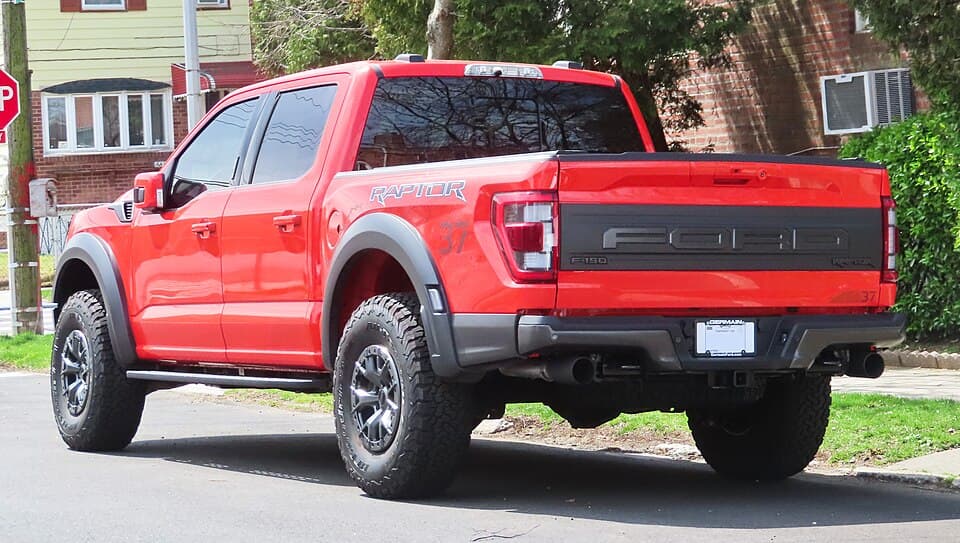
The Ranger Raptor wins at speed, flat out, in the whoops and washboard the Mojave desert is named for. The Gladiator Mojave wins everywhere else: real rear doors and a roof that come off, a true 4-door Jeep driving experience, and off-road geometry that generally favors a shorter-overhang solid-axle chassis once you leave hard-packed desert for rock and ledges. If your weekend looks like Glamis or a high-speed run through open BLM land, buy the Ford. If it looks like a mix of rock, sand, and a kid in a car seat, buy the Jeep.
That is the short answer. Here is the actual breakdown, trim by trim and system by system, because "desert truck" means something different to each of these.
What Each Truck Is Actually Built For
The Ranger Raptor is Ford's mid-size take on the full-size Raptor formula: independent front suspension, a turbocharged inline-4, and electronically controlled shocks tuned to soak up repeated high-speed hits without the truck porpoising or packing up. It is a speed tool first. Rock crawling is something it can survive, not something it is built around.
The Gladiator Mojave is Jeep's answer to the same market segment, but it starts from a different chassis philosophy. It keeps the Wrangler's solid front and rear axles, which means less independent wheel control at speed but real articulation and a locker-friendly drivetrain when the terrain gets technical. Jeep tuned the Mojave's springs and shocks specifically for sustained desert running, not rock crawling, but the bones underneath are still a solid-axle Jeep.
Both trucks are legitimately cross-shopped by the same buyer right now, which is unusual. One is chasing the Raptor nameplate's reputation in a smaller package, the other is chasing the same desert-speed market from the Wrangler side. For the Ranger Raptor's actual horsepower, torque, and 0-60 figures, we cover that in detail in our Ranger Raptor specs and 0-60 breakdown rather than repeating it here. Worth knowing going in: the Gladiator Mojave runs Jeep's 3.6L Pentastar V6, a naturally aspirated engine, against the Ranger Raptor's turbocharged inline-4. The Ford gets its power from boost rather than displacement, and the two engines feel very different under full throttle even when the numbers land close on paper. Confirm current horsepower and torque figures for the exact model year you are shopping, since Ford has made changes to the Ranger Raptor's engine tune since launch.
Suspension Architecture: Live Valve vs Fox 2.5 Reservoir
This is the real split between these two trucks, and it is not close in concept even if the on-paper numbers look similar.
The Ranger Raptor runs Fox shocks with Ford's Live Valve system, the same electronically controlled damping logic used across the current Raptor lineup, scaled down for the smaller chassis. Live Valve reads wheel position and body motion dozens of times a second and adjusts damping force in real time, stiffening before a hard landing and softening again for the next hit. It is the reason a Ranger Raptor can hold a higher average speed through a whoop section than the suspension travel numbers alone would suggest.
The Gladiator Mojave runs Fox 2.5-inch remote reservoir shocks, passive units with no electronic adjustment. The reservoir gives the shock oil more volume to work with so it resists fade on a long, hot desert run better than a standard Gladiator's shocks would, and Jeep paired them with unique springs and bump stops tuned for repeated compression. It is simpler and it is proven, but it cannot react to terrain the way Live Valve can. A driver has to read the trail and manage speed manually instead of letting the truck's computer do some of that work.
Exact wheel travel figures for both trucks change by model year and sometimes by running changes mid-cycle, so pull the current number from Ford's and Jeep's spec sheets before you quote either truck a travel figure in an argument. What does not change year to year is the architecture: one truck adjusts on the fly, the other does not.
Approach, Departure, and the Angles That Matter Off-Road
Geometry numbers for both trucks are genuinely good for their classes, but we are not going to hand you a winner on approach, departure, or breakover angle here, because the real answer depends on wheelbase, front and rear overhang, tire diameter, and ride height, and all four of those move between trim levels and model years for both trucks.
What we can say with confidence: the Gladiator Mojave's longer wheelbase (it shares the Gladiator's stretched frame over a two-door Wrangler) works against it on breakover angle, the one that matters on rock ledges and whooped-out dune crests, even as its shorter front overhang tends to help approach angle. The Ranger Raptor's shorter overall footprint cuts the other way on some of these numbers and against it on others. Neither truck is a clean sweep, and we are not confident enough in current-year figures for both nameplates to print a table and call it settled.
Pull the geometry specs for the exact trim and model year you are cross-shopping from Ford's and Jeep's own spec sheets before you let an approach-angle number decide the purchase. A half-inch of ride height or a different tire package moves these figures more than people expect.
Payload and Towing: Neither Is a Tow Rig
Neither of these trucks is the right tool if towing is the priority. Both sacrifice payload and towing capacity relative to their non-desert-tuned siblings, because the long-travel suspension and softer spring rates that make them good at speed work against a stiff, high-capacity tow setup.
The Gladiator Mojave in particular tows less than other Gladiator trims like the Rubicon, a direct tradeoff for the desert-tuned shocks and springs. The Ranger Raptor also tows less than a comparably equipped standard Ranger. Payload follows the same pattern on both trucks: real but modest, enough for a dirt bike and gear, not enough to argue with a contractor's work truck.
Both manufacturers publish exact payload and tow figures that change by cab configuration, tire package, and model year. Treat any number you see repeated across forums as a starting point, not gospel, and confirm against the current window sticker or configurator for the specific truck you are considering. We go deeper on what the Ranger Raptor actually costs to run day to day, towing included, in our Ranger Raptor cost of ownership breakdown.
Interior Space and Ride Comfort
This is where the two trucks split by buyer type as much as by spec sheet.
The Gladiator Mojave is only sold as a 4-door with a real back seat, and because it is Wrangler-based, the doors and roof come off. That is not a gimmick for most Mojave buyers; it is the entire reason some of them bought a Jeep instead of a truck. The tradeoff is a taller, boxier ride with more wind noise at highway speed and a higher step-in height that some daily drivers find tiring.
The Ranger Raptor in the US market is also sold as a crew cab with real rear seats, but it rides and feels like a truck, not a Jeep. The cabin sits lower, the doors are fixed, and the overall experience on pavement is noticeably more composed and quieter than the Mojave's. Whether that is a point in its favor depends on what you actually want from the truck. We have a separate piece asking whether the Ranger Raptor is actually big enough for families cross-shopping it against larger trucks, worth a read if interior space is your main hesitation.
Ride comfort on pavement favors the Ranger Raptor, largely because Live Valve is tuned to soften for everyday driving the way a passive shock cannot. Off-road at speed, Live Valve still wins for ride quality because the damping is reacting to the terrain instead of being a single compromise setting.
Price As Tested: What You Actually Pay
Ford's Ranger lineup as a whole, based on current listings data tracked on this site, averages roughly $52,500 for 2024 model year trucks and climbs toward $56,600 for 2025, with Raptor trims sitting well above that lineup-wide average since Raptor is the top trim on the Ranger badge. Expect a used Ranger Raptor to price meaningfully higher than those broader Ranger averages, and expect that gap to widen as 2026 model year trucks push the overall Ranger average toward the low $60,000s.
We do not track live Gladiator Mojave sale prices the same way we track Ford listings, so do not treat any number you see quoted for the Mojave as verified against a real data set. Check current new and used listings directly before you budget for one; Jeep has moved Gladiator pricing meaningfully over the past few model years and a number from even a year ago is unreliable.
If you are cross-shopping outside the Ford/Jeep pair entirely, our Ranger Raptor versus Tacoma TRD Pro comparison covers the third truck most buyers in this segment are also looking at.
The Short Version
- Buy the Ranger Raptor if high-speed desert running, washboard, and whoops are the actual use case. Live Valve damping and the stiffer, lower-riding chassis make it the faster, more composed truck at speed, and it is a better daily driver on pavement.
- Buy the Gladiator Mojave if your trail list mixes rock and sand, you want removable doors and a roof, or you need a true 4-door Jeep experience with real rear-seat room.
- Neither truck is a tow rig, and neither has a clean advantage on approach, departure, or breakover angle once you account for trim and tire differences. Confirm exact geometry, payload, and towing figures against the current model year spec sheet before you buy.
- Price the Ranger Raptor against this site's live Ranger listings data before you negotiate, and get current Gladiator Mojave listings directly since we do not publish a tracked average for it.
Deal alert
Shopping for one? Get new listings first
We sweep US dealer inventory and send you new Raptors matching your search — real listings, real asking prices, no spam.