Raptor Tunes: What a Tune Actually Changes, and What It Risks
A 93-octane tune on the 3.5 EcoBoost is a real 60-90 hp gain, and it is also a real warranty risk Ford can act on. The honest call depends on your generation, your phaser history, and how much coverage you have left.
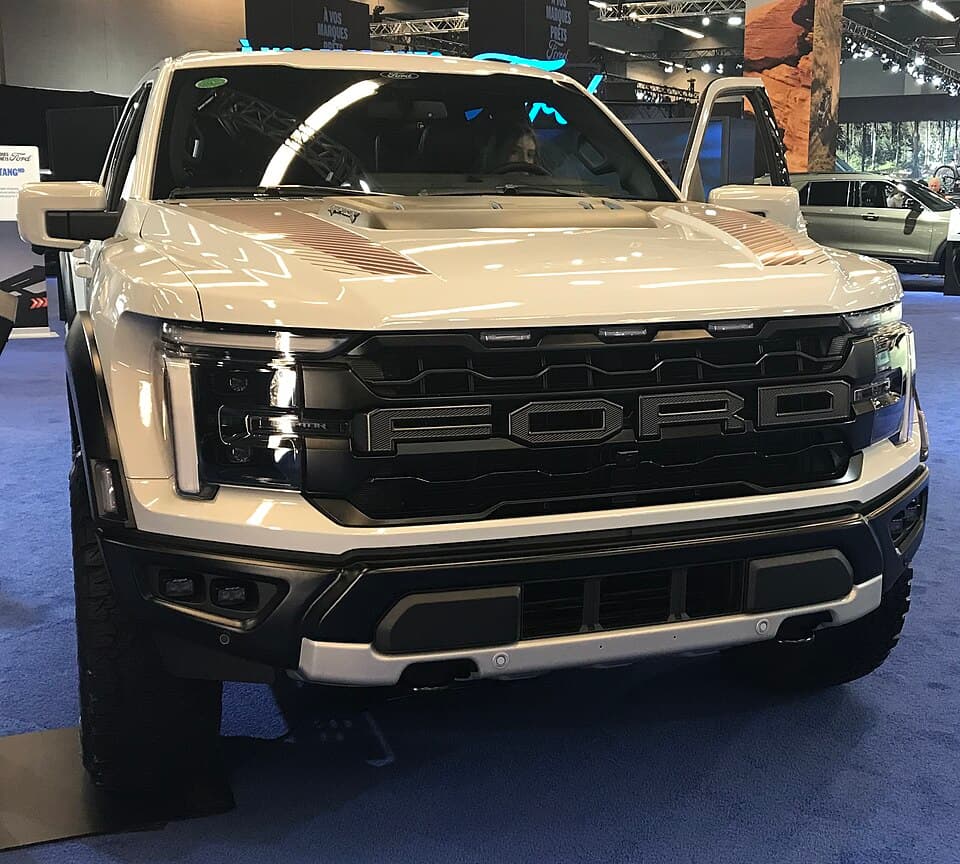
A tune on the twin-turbo 3.5 EcoBoost is a real, repeatable power gain, vendor-claimed and dyno-verified in the 60-90 hp range on 91/93 octane for a basic calibration, more with supporting hardware. It is also a real, repeatable warranty exposure: a flash gets written to the PCM (powertrain control module), Ford's tools can see that history, and a dealer can point to it when denying a powertrain claim. Both of those things are true on the same truck at the same time, and the honest answer to "should I tune my Raptor" depends on where the truck sits on warranty and how much you trust the shop doing the flash.
This is the general tuning guide. If you already put 37s on the truck and want to know whether that swap alone requires a power tune, Do You Need a Tune After 37s? answers that narrower question directly.
What a tune actually changes on the ECU
A performance calibration rewrites several tables inside the PCM at once, not just one dial turned up.
- Boost targets. The wastegates on both turbos get commanded to hold higher boost through more of the rev range, which is most of where the power gain comes from.
- Ignition timing. Spark advance gets pulled forward where the factory calibration left margin for cheap gas, worse fuel, or a hot climate. Octane matters most here: a 93-octane file can run more aggressive timing than a 91-octane file, because premium fuel resists knock better.
- Fueling. Injector pulse width and air-fuel targets shift to match the extra air the higher boost is pushing through the engine.
- Torque management. Ford's factory PCM deliberately limits torque delivery in certain gears and conditions to protect the driveline and control drivability. A tune relaxes some of those limits, part of why a tuned truck feels like it is making more power than the peak number alone suggests.
- Shift firmness. Most full tune packages also touch the 10R80's shift-speed and clutch-apply-pressure tables, since more torque through an unchanged shift schedule feels sloppy.
Two shops selling a "93-octane Raptor tune" are not necessarily selling the same file, and how conservatively each one pulls timing and pushes boost is what separates a tune that lives happily for 60,000 miles from one that does not.
Realistic gains on 91 and 93 octane
Treat every number here as vendor-claimed unless stated otherwise: a real number from a real dyno, not a marketing round-up, but still not a guarantee for your specific truck, fuel batch, or climate.
A standard 93-octane tune with no supporting hardware commonly lands in the 60-90 hp range at the wheels on the 3.5 High-Output EcoBoost, a figure the site has dyno-verified on our own Gen 2 back-to-back pull. Some tuners advertise higher, up to roughly 100 hp and 100 lb-ft, on Gen 3 files built against the revised turbos and updated factory calibration, and Livernois has published Gen 3 numbers in a similar range. Read the higher claims as best-case, on a healthy engine, on premium fuel, not the default outcome for any truck that gets flashed.
91-octane files exist for owners who cannot reliably find 93 at their regular pump, but they pull less timing advance to stay knock-free, so the gain is smaller. Ask the tuner which fuel their file is calibrated for and buy that octane. Running a 93-calibrated tune on 87 or 89 is how you get spark knock, not extra power.
The names owners actually run
[5 Star Tuning](/mods/ecu-performance-tune-93-octane) and [MPT (More Power Tuning)](https://morepowertuning.com/collections/raptor-all) are the two names that come up most in Raptor owner communities for mail-order custom tunes, both selling files for Gen 2 and Gen 3 trucks with a handheld device or remote-tuning process. [Livernois](https://www.livernoismotorsports.com/product/LPP631169/2021-2023-ford-f-150-raptor-3-5l-ecoboost-tuner) also sells Gen 2 and Gen 3 calibrations and publishes its own dyno numbers.
[COBB](https://www.cobbtuning.com/gen3-ford-raptor-tuning/), the Accessport hardware and its bundled Stage 1/Stage 2 power packages, supports the Gen 3 Raptor (2021-2026 model years at time of writing), and the Accessport for the 2024-2025 3.5L Raptor has CARB certification, which matters in California and other CARB states. 2026 support was still working toward CARB approval as of this writing. Support for a given model year changes fast, especially right after a launch, so confirm current compatibility on the tuner's own site with your exact VIN before buying, not from a forum post or this article.
Flash device versus mail-order tune
Two buying paths get sold under the same word "tune." A handheld flash device (COBB's Accessport is the best-known example) is hardware you own, holding a library of pre-built calibrations. It plugs into the OBD-II port, and in most cases you can switch power levels or flash back to stock yourself. A mail-order or remote tune is a custom file built for your truck, sometimes from a data log you send the tuner, then written through a flash tool either you or the tuner supplies. It costs more and takes longer, but accounts for your local fuel and climate more precisely than a generic file.
Neither path is inherently safer for your warranty. Both write to the PCM and leave a history a dealer's scan tool can potentially read.
The warranty reality, said plainly
A tune is detectable. Ford's modules can log flash events, and a dealer service visit, including one that has nothing to do with your complaint, can surface that history. Flashing back to stock before a visit does not necessarily erase the record. Ford's warranty terms allow a dealer to deny a claim when an aftermarket modification is shown to have caused or contributed to a failure. The federal Magnuson-Moss Warranty Act limits how far that goes: a dealer generally cannot void your entire warranty just because you modified the truck, they have to show the modification actually caused the specific failure you are claiming. In practice that legal standard does not stop a service writer from denying a claim first and making you fight it to get it covered.
Whether a specific tune trips a specific dealer's attention is inconsistent enough that nobody, including us, can promise you an outcome. Call your dealer with your VIN and ask how they handle tuned trucks before you assume either way.
What a tune does to the 10R80 and a cam-phaser-age engine
A tune adds torque, which is why most full packages also rewrite 10R80 shift-firmness and clutch-apply tables, not just the engine side. If you already have 10R80 harsh-shift or torque-converter-shudder symptoms, a tune is not the fix, and more torque through a transmission that is already struggling to apply cleanly makes an existing symptom worse, not better.
The bigger concern is the engine itself on a Gen 2 with the early cam phaser design. 3.5 EcoBoost problems by year covers this in full: 2017-2018 trucks carry the highest rate of cam phaser rattle, and the full ranked list of Gen 2 cam phaser fixes exists because worn phaser vanes do not un-wear. Adding boost and timing advance to an engine with a known, wear-based failure mode in its variable valve timing hardware stacks a new variable on an old one. It does not cause phaser wear, but it is not the truck to experiment on.
When not to tune
Do not tune a truck still well inside Ford's 5-year/60,000-mile powertrain warranty unless you are prepared to fight a claim denial, and do not tune a Gen 2 with a documented or suspected cam phaser history until that repair is done. If the truck is out of warranty, or you are prepared to self-insure the drivetrain, a tune is a reasonable call. That is a real tradeoff to weigh, not a decision we can make for you.
Tuning and 37s together
If you are running or planning 37-inch tires, a tune and a tire-size recalibration are two different jobs that often get bundled into one flash, and it is worth knowing which one you are paying for. Going to 37s by itself does not require a power tune, it requires the PCM and TCM to be told the true rolling diameter so the speedometer, shift points, and cruise control reference reality again. A power tune is optional on top of that. The full breakdown of what 37s change and how to confirm your tuner is actually correcting for your exact tire size lives in Do You Need a Tune After 37s?.
Raptor R and Ranger Raptor: different trucks, different math
Everything above is written for the F-150 Raptor's 3.5L High-Output EcoBoost, Gen 2 and Gen 3. The Raptor R runs a supercharged 5.2L V8, a different engine family with its own supercharger-specific tuning market and its own warranty conversation; do not apply 3.5 EcoBoost gain figures or phaser concerns to it. The Ranger Raptor and Bronco Raptor run a 3.0L EcoBoost V6 that is direct-injection only, with its own carbon buildup behavior that the 3.5's dual injection does not share. Tuning options exist for both, but they are separate research projects, not a footnote on the 3.5 EcoBoost story.
The short version
- A 93-octane tune on the 3.5 EcoBoost commonly gains 60-90 hp at the wheels, vendor-claimed and dyno-verified on one of our own trucks; some Gen 3 files claim up to roughly 100 hp with more aggressive calibration. Treat higher numbers as best-case.
- COBB supports the Gen 3 Raptor with CARB-certified files for 2024-2025; 5 Star Tuning, MPT, and Livernois all sell Gen 2 and Gen 3 calibrations. Confirm exact model-year support with the tuner before buying.
- A handheld flash device is hardware you own and can often revert yourself; a mail-order tune is a custom file built to your truck, usually flashed through a tool either way.
- A tune is detectable, Ford can deny a powertrain claim tied to it, and Magnuson-Moss limits that power without eliminating the hassle of fighting a denial.
- Do not tune a truck still deep in its powertrain warranty, and do not tune a Gen 2 with unresolved cam phaser history.
- 37s need a recalibration regardless of whether you also tune for power; the two are separate products often sold as one.
Owner questions
- Ford Raptor tune options and cost
- 5 Star Tuning and MPT (More Power Tuning) sell mail-order custom files for Gen 2 and Gen 3 trucks; Livernois also sells Gen 2/Gen 3 calibrations with published dyno numbers; COBB's Accessport handheld supports the Gen 3 (2021-2026) with CARB-certified files for 2024-2025. No dollar pricing is specified, but mail-order tunes cost more than a handheld device.
- How much horsepower does a Raptor tune actually add?
- A standard 93-octane tune with no supporting hardware commonly lands in the 60-90 hp range at the wheels on the 3.5 High-Output EcoBoost, dyno-verified on a Gen 2 back-to-back pull. Some Gen 3 files claim up to roughly 100 hp and 100 lb-ft, but treat that as best-case, not a guaranteed outcome.
- Will tuning my Raptor void the powertrain warranty?
- Not automatically. Ford's tools can log flash history, and a dealer can deny a claim when a modification is shown to have caused the failure, but the Magnuson-Moss Warranty Act prevents voiding the entire warranty just for modifying the truck. Avoid tuning while still deep inside the 5-year/60,000-mile powertrain warranty unless prepared to fight a denial.
- Do I need a power tune after putting 37-inch tires on my Raptor?
- No—going to 37s by itself requires only a tire-size recalibration so the PCM and TCM read the true rolling diameter for the speedometer, shift points, and cruise control, not a power tune. A power tune is optional on top of that recalibration; they're separate jobs often bundled into one flash.
- What's the difference between a handheld tuner and a mail-order Raptor tune?
- A handheld flash device like COBB's Accessport is hardware you own with a library of pre-built calibrations, letting you switch power levels or flash back to stock yourself. A mail-order tune from shops like 5 Star Tuning or MPT is a custom file built for your truck, costing more and accounting for your local fuel and climate.
Deal alert
Shopping for one? Get new listings first
We sweep US dealer inventory and send you new Raptors matching your search — real listings, real asking prices, no spam.