2013 Ford Raptor: Specs, Problems, and What to Pay
The 2013 Raptor added factory beadlock-capable wheels and HID headlamps to the 6.2L Gen 1 formula, and a clean one runs $34,000-45,000 today. We cover the specs, the frame and IWE checks that matter at this age, and why 2013-2014 tops Gen 1 pricing.
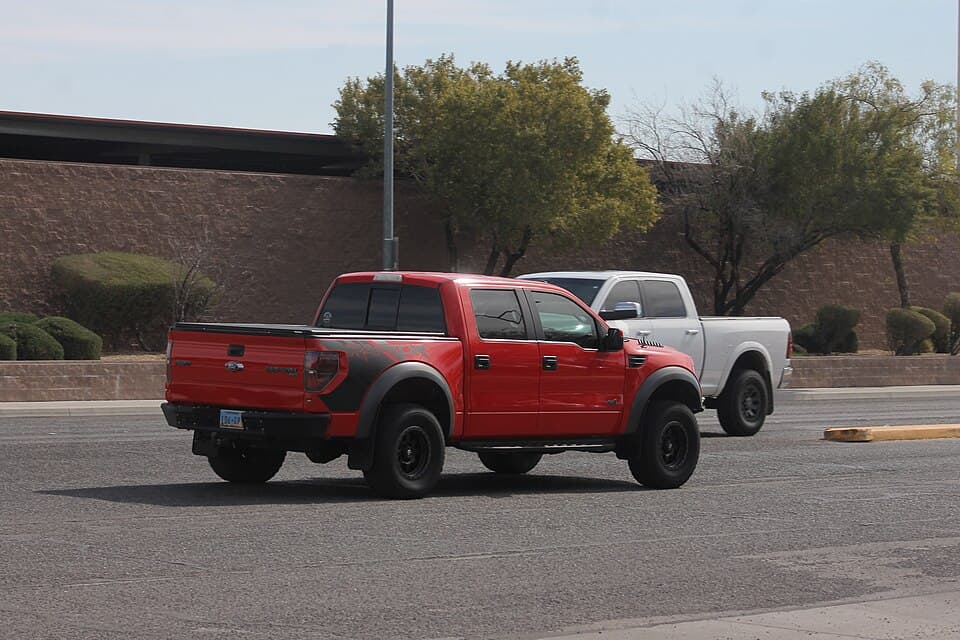
A clean 2013 Gen 1 Raptor runs $34,000-45,000 in 2026, toward the top of the wider Gen 1 price band, since 2013 is one of the two final and most-optioned model years before Ford killed the truck for a two-year hiatus. The defining trait of a 2013 is the last real update Gen 1 ever got: optional beadlock-capable wheels, HID headlamps, and a new SYNC screen, layered on top of the same 411 hp 6.2L V8 that carried the whole generation. None of that changes what breaks on this truck. It is still a 2010-2014 Raptor underneath, and it still needs the same cold-start rattle test and frame check as every other one.
Here are the numbers, then the reasoning.
| Spec | 2013 F-150 SVT Raptor |
|---|---|
| Engine | 6.2L Boss V8 |
| Power | 411 hp @ 6,250 rpm |
| Torque | 434 lb-ft @ 4,500 rpm |
| Transmission | 6R80 six-speed automatic |
| Shocks | Fox 2.5 internal bypass (Gen 2 moves to a 3.0 starting 2017) |
| Suspension travel | ~11.2 in front / ~12.1 in rear |
| Cab configs | SuperCab (2-door, rear-hinged half doors) and SuperCrew (4-door), both offered since 2011 |
| Payload / towing | ~1,300 lb / 8,000 lb |
| Curb weight | ~6,100 lb (SuperCrew); SuperCab is lighter by a couple hundred pounds |
| EPA fuel economy | 11 city / 16 hwy / 13 combined |
| 0-60 mph | ~7.0 sec (Edmunds tested a 6.2L Raptor at 7.2 sec; the Gen 2 that replaced it is noticeably quicker) |
What was actually new in 2013
By 2013, Gen 1 was three years into production and Ford spent its last real update budget on the things owners had been asking for, not on the engine. The 6.2L Boss V8 and 6R80 six-speed carried over unchanged from 2012. What changed was everything around it: SVT introduced forged-aluminum wheels that could be run conventionally and later converted to true beadlock using a Ford Racing kit, the first time a factory Raptor wheel offered that option. HID headlamps became available for buyers who wanted brighter, whiter light than the stock halogens. Inside, the 4.2-inch SYNC screen was new for the gauge cluster, and buyers could step up to the 8-inch MyFord Touch touchscreen with steering-wheel controls, an upgrade that came from the wider F-150 lineup, not something SVT engineered in-house.
None of it touched the drivetrain, the suspension geometry, or the frame. If you are cross-shopping a 2013 against a 2012, the mechanical truck under the skin is the same one; what you are actually paying extra for is the wheel option, the headlamps, and the screen.
SuperCab or SuperCrew, same as every Gen 1 year
Like every Gen 1 built from 2011 on, the 2013 Raptor came in both SuperCab (a 2-door body with rear-hinged half doors for back-seat access) and SuperCrew (a true 4-door with full-size rear doors). The SuperCrew is the one most used-market buyers want and the one that dominates listings; the SuperCab has a shorter box and a smaller back seat, and it turns up less often because Ford sold fewer of them relative to the SuperCrew.
The SuperCrew carries a couple hundred pounds more curb weight, which nudges payload the other direction on the smaller cab. If your use case involves real rear-seat passengers rather than occasional cargo, buy the SuperCrew. The resale gap when you go to sell will likely cost more than what you saved skipping it.
The beadlock-capable wheels: a factory first almost nobody actually uses
The headline feature Ford marketed hardest for 2013 was the beadlock-capable wheel option, and it is worth understanding what it actually is before you pay a premium for it. The stock wheel runs as a normal forged-aluminum wheel with a regular tire bead seal. Buyers who wanted true beadlock capability, the kind that clamps the tire bead between two rings so it will not roll off the rim when aired way down for sand or rock, had to buy a separate Ford Racing conversion kit and install it themselves. Very few original owners ever did.
What that means for a used 2013 today: check whether the truck actually has the beadlock kit installed, not just the wheel that is capable of accepting one. A seller advertising "beadlock wheels" on a 2013 that never got the kit is technically accurate and functionally misleading. It is a nice-to-have, not a reason to pay a real premium unless the kit is actually on the truck with a receipt behind it.
MyFord Touch and the electronics complaints that start with this model year
The Gen 1 buying guide already flags this: 2013 is where the electronics complaints begin, because 2013 is the first year buyers could option the 8-inch MyFord Touch screen on a Raptor. It can freeze on start or register touches nobody made. A software reflash fixes most of it at no cost, and a bad APIM (the module behind the dash that runs the infotainment stack) runs $600-900 to replace.
This is a minor item next to the mechanical issues below, and it is not unique to the Raptor, MyFord Touch had the same reputation across the whole F-150 lineup those years. But if you are choosing between a 2012 with the base 4.2-inch screen and a 2013 with MyFord Touch at similar money, know that you are trading a simpler, more reliable interface for a nicer one that occasionally needs a reflash.
The Gen 1 problems that do not care what year the truck is
Everything that makes a Gen 1 Raptor a Gen 1 Raptor is still true on a 2013, and none of the 2013-specific updates above touch any of it.
Frame and rear-quarter rust is the big one on any steel-bodied Gen 1. Get under the bed and check the frame rails at the rear shock mounts for scale you can scrape with a fingernail, and check above the rear wheel arches for bubbling paint. Surface treatment runs $800-2,500; actual perforation is a bodyshop conversation.
The 6.2L cam phaser rattle shows up more past 90,000 miles across the whole 2010-2014 range, a 2013 included. Start the truck stone cold, listen for a five-to-ten-second diesel-like rattle from the front of the engine that quiets once oil pressure builds, and budget $2,200-4,000 for phasers, tensioners, chains, guides and a PCM reflash if you hear it.
IWE grinding (the vacuum-actuated system that locks the front hubs into 4WD) fails on every Gen 1 built, 2013 included, at some point. Engage 4WD at walking pace and listen for a grind or growl from the front hubs. It is the cheap fix in this whole list, and the full breakdown of causes and fix paths covers the DIY-versus-shop math in more detail than fits here.
The 6R80 can show a shudder under light throttle around 40-50 mph when the fluid is old, usually a $400 service rather than a $1,800-2,600 converter replacement if you catch it early. And rear leaf sag, more than an inch of ride-height difference side to side, runs $650-1,400 to correct. None of these are 2013-specific. They are Gen 1 problems, and a 2013 has had just as many years to develop them as a 2012 or a 2014.
What a 2013 actually costs in 2026
Clean 2013 Raptors run $34,000-45,000 today, sitting toward the top of the Gen 1 buying guide's wider $28,000-45,000 range, because 2013-2014 are the newest, most-optioned model years in the generation and the ones closest to Gen 1's original MSRP relative to depreciation. A documented truck, phaser work done or clearly priced in, clean frame, service records for diff and transfer case fluid, sits at the top of that range and is the one worth paying close to asking for. A 2013 with no records, an unconfirmed cold-start rattle, or any visible frame scale should be priced several thousand dollars below it, same as it would be on any other Gen 1 model year. The beadlock wheel option and MyFord Touch upgrade are nice-to-haves that can justify a modest premium within that band, not a reason to pay outside it.
2013 versus 2014: buy on condition, not year
Ford made no meaningful mechanical changes between 2013 and 2014. Same 411 hp 6.2L Boss V8, same 6R80, same Fox 2.5 shocks, same frame. The differences are trim shuffles, colors, and whichever electronics package a given truck happened to be optioned with. Some sellers price a 2014 at a premium for being the last year of Gen 1 production, but there is no engineering reason to pay it: the phaser risk, the IWE wear, and the frame-rust exposure track identically across both years. If a 2013 with better documentation and a confirmed clean cold start is sitting next to a 2014 asking the same money, take the 2013. For how these two years stack up against the rest of the lineup, the best Ford Raptor year to buy walks through the tradeoffs across every generation, not just Gen 1.
Who should buy a 2013 today
A 2013 makes sense if you want the newest Gen 1 available, want the option of MyFord Touch or an already-installed beadlock kit, and can find one with the phaser work documented and the frame clean at a real price within the $34,000-45,000 band. It is a worse buy if a seller cannot confirm phaser status, will not let you cold-start it or get under the bed, or is charging a real premium for the beadlock-capable wheel without the actual beadlock kit installed. Cold start it, check the frame, ask about the tune if it has been modified, and let the answers set the number, not the badge on the tailgate.
Owner questions
- What should I expect to pay for a clean 2013 Ford Raptor in 2026?
- A clean 2013 Raptor runs $34,000-45,000 in 2026, toward the top of the wider Gen 1 $28,000-45,000 range. That's because 2013-2014 are the newest, most-optioned model years before Ford paused production, sitting closest to the original MSRP relative to depreciation. Documented trucks with phaser work done and a clean frame belong at the top of that band.
- What actually changed on the Raptor for the 2013 model year?
- SVT added optional forged-aluminum wheels convertible to true beadlock via a Ford Racing kit, optional HID headlamps, a new 4.2-inch SYNC gauge cluster screen, and an available 8-inch MyFord Touch touchscreen. The 411 hp 6.2L Boss V8, the 6R80 six-speed automatic, suspension geometry, and frame all carried over unchanged from 2012.
- Do 2013 Raptors with beadlock wheels actually have beadlocks installed?
- Usually not. The stock 2013 wheel only ran a normal tire bead seal; true beadlock capability required buying a separate Ford Racing conversion kit and installing it, which very few original owners did. Check whether the kit is actually installed with a receipt before paying a premium, since a wheel merely 'capable' of beadlock isn't the same as one converted.
- Is MyFord Touch on a 2013 Raptor reliable?
- It can freeze on start or register phantom touches, and 2013 is the first Raptor model year it was optional. A software reflash fixes most issues at no cost, but a bad APIM module runs $600-900 to replace. This reputation wasn't unique to the Raptor, MyFord Touch had the same issues across the whole F-150 lineup those years.
- What mechanical problems should I check on any 2013 Raptor regardless of its updates?
- Check for frame rust at the rear shock mounts ($800-2,500 for surface treatment), a cold-start cam phaser rattle past 90,000 miles ($2,200-4,000 to fix), IWE grinding at walking-pace 4WD engagement, 6R80 shudder at 40-50 mph from old fluid ($400 service vs. $1,800-2,600 for a converter), and rear leaf sag over an inch ($650-1,400).
Deal alert
Shopping for one? Get new listings first
We sweep US dealer inventory and send you new Raptors matching your search — real listings, real asking prices, no spam.