10R80 Fluid Change: Interval, Cost, and Whether to DIY
Ford calls the 10R80's fluid lifetime under normal driving, but a Raptor that tows, runs sand, or sees a tune is not normal driving, and clean fluid is the cheapest insurance this transmission gets. Here is the honest interval debate, the cost, and the drain-and-fill reality.
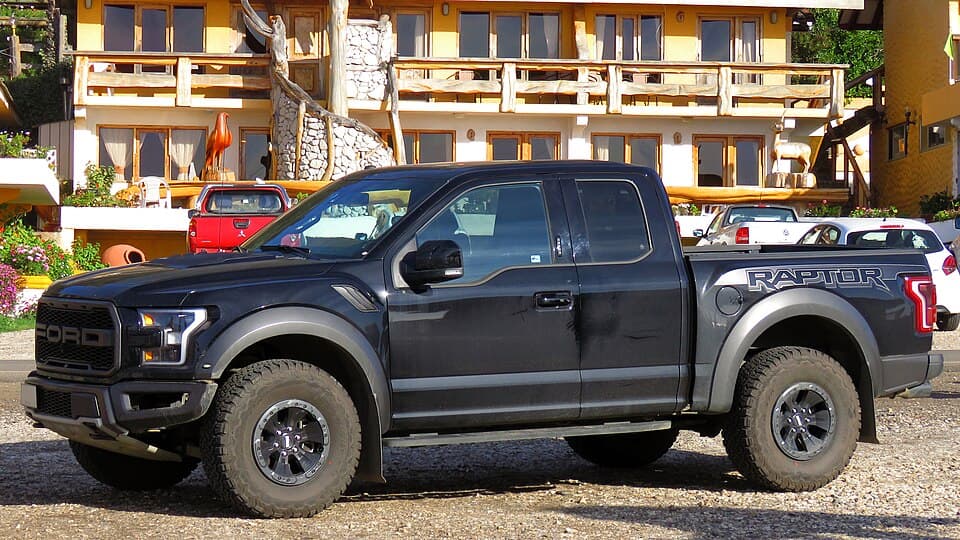
Ford does not put a fluid change on the 10R80's maintenance schedule for normal driving, but "normal driving" does not include towing, sand runs, or a truck that has been tuned. For a Raptor that does any of those things, a drain-and-fill every 30,000-60,000 miles (estimate, and shops disagree by a wide margin) is cheap insurance against the shift quality problems this transmission is already known for. If you already have a shudder complaint, a fluid service will not fix it, and treating it like a fix just delays the real repair.
Which trucks have the 10R80
Every 2017-and-up F-150 Raptor runs the 10R80 ten-speed automatic, including the Gen 2, the Gen 3, and the Raptor R. The Ranger Raptor and Bronco Raptor use related but not identical 10-speed transmissions from the same family, so the general logic here applies but confirm your specific service procedure and fluid spec against the workshop manual for your model.
The Gen 1 Raptor (2010-2014) is a different animal entirely. It runs the 6R80 six-speed, an older and mechanically simpler transmission with its own service intervals and its own failure modes. Nothing in this article about the 10R80 applies to a Gen 1.
The lifetime-fluid claim, and why it does not mean "never"
Ford's maintenance schedule for the 10R80 does not call for a scheduled fluid change under what it defines as normal driving. That is a real position, not a myth, and plenty of F-150s and Raptors run for well over 100,000 miles on the factory fill without incident.
The catch is in Ford's own definition of severe duty, which explicitly includes frequent trailer towing, extended idling, sand or off-road use, and heavy loads. Every one of those describes a Raptor better than it describes a commuter truck. A Gen 2 or Gen 3 that tows a camper, spends weekends at Glamis or Silver Lake, or runs a tune that changes shift firmness and torque converter lockup behavior is, by Ford's own severe-duty definition, not a normal-driving truck.
Independent transmission shops that see a lot of 10R80 work tend to land in the same place: the fluid does age, especially under heat cycling from towing or sand driving, and cheap insurance beats an expensive diagnosis. Nobody has published a hard failure-rate number tying fluid age to 10R80 problems, so treat the interval as a judgment call informed by how the truck is actually used, not a fact carved into the maintenance schedule.
What interval actually makes sense
There is no single correct number here, and any shop that gives you one without asking how you use the truck is guessing. A reasonable framework:
- Daily driver, no towing, no tune, pavement only: Ford's lifetime-fluid position is defensible. Many owners in this bucket never touch it and never have a problem.
- Occasional towing, occasional sand or fire roads, stock tune: a drain-and-fill somewhere around 30,000-60,000 miles (estimate) is cheap insurance relative to what a transmission repair costs.
- Regular towing, regular sand runs like [Johnson Valley](/where-to-run/johnson-valley-ohv-area) or [Ocotillo Wells](/where-to-run/ocotillo-wells-svra), or a truck running a [performance tune](/mods/ecu-performance-tune-93-octane): shorten that interval. The fluid is working harder and running hotter, and the cost of checking it early is nothing next to the cost of not catching a problem.
Drain-and-fill versus flush
Most careful 10R80 owners choose a drain-and-fill over a flush, and there is a real reason for it.
A drain-and-fill removes the fluid that comes out of the pan and torque converter drain, typically somewhere in the range of a third to half of total fluid volume, depending on the shop's procedure. It leaves the rest of the system, and any accumulated wear material or degraded fluid mixed into it, untouched. Do it twice at an interval and you get closer to a full fluid turnover without ever forcing high-pressure flush fluid through a torque converter and cooler lines that were not designed to be power-flushed.
A flush pushes new fluid through the entire system, including the torque converter and cooler, under pressure. In theory it gets more old fluid out in one pass. In practice, on a transmission like the 10R80 that is already sensitive to shift quality complaints, a lot of independent shops are wary of a machine flush disturbing debris or seals in a way a controlled drain-and-fill does not. It is also more expensive.
Budget $150-350 for a drain-and-fill at an independent shop, and roughly the same or a bit more at a dealer, mostly driven by fluid cost and whether they replace the filter and pan gasket in the same visit (estimate; confirm with a shop quote using your VIN and mileage). A flush typically runs higher, in the $250-450 range at most independent transmission shops (estimate), because of the extra fluid volume and machine time. Regional labor rates and whether your truck is towing-package equipped with a larger pan both push these numbers around.
No dipstick: how the fill level actually gets checked
The 10R80 does not have a traditional dipstick. Fluid level is set through a fill plug and checked at a specific fluid temperature, because automatic transmission fluid expands as it heats up and the correct level only reads accurately in a narrow temperature window.
The general procedure: the truck is run to bring the transmission fluid up to the specified check temperature (read with a scan tool monitoring transmission fluid temp, not guessed from ambient conditions), then leveled on a lift, and fluid is added or removed through the fill plug until it just begins to overflow at that temperature. Overfill and underfill both cause real problems on this transmission, from foaming to shift quality issues, so this is not a "top it off and eyeball it" job.
Do not guess at the check temperature. It is specific to the 10R80 and confirmed in the current Ford workshop manual for your model year. If you are doing this yourself, you need a scan tool that can read live transmission fluid temperature, not just an OBD-II code reader, or you are guessing at the one variable that makes the whole check valid.
Should you DIY it
The parts of this job that are straightforward: draining the pan, replacing the filter if your shop's procedure calls for it, and refilling with the correct fluid. Any owner comfortable under a truck can do that part.
The part that trips up DIYers and shops both is the level check. Getting fluid to the specified temperature and holding the truck level while adding fluid through the plug is fiddly without a lift and a scan tool that reads transmission temp live. Get it wrong and you either underfill (aeration, shift shudder, real damage over time) or overfill (foaming, similar symptoms). If you do not have both a lift and the right scan tool, this is one of the few fluid services worth paying a shop for even if you are comfortable doing your own brakes and diffs.
Mercon ULV, and why mixing fluids is a real risk
The 10R80 uses Mercon ULV (ultra low viscosity), a specific low-viscosity fluid formulation, not a generic Mercon or a generic "full synthetic ATF" off a parts store shelf. Do not substitute a different fluid spec and do not top off with something else because it was what the parts counter had in stock. Mixing fluid specs in this transmission is a known way to cause shift quality problems that look exactly like the shudder complaint covered below, which then sends an owner chasing a torque converter problem that was actually caused by the last fluid top-off.
The shudder connection: when fluid service helps and when it is stalling
A fluid service genuinely helps in one specific case: aged, degraded, or contaminated fluid contributing to harsh shifts or a mild shudder, especially in a truck that has racked up towing or sand miles on the original fill. Fresh Mercon ULV in that scenario can meaningfully improve shift feel.
It does not help, and should not be sold to you as a fix, once you have a real torque converter shudder, the kind that feels like a rumble strip through the floor under light throttle around 40-50 mph in a lockup range. That is a mechanical problem inside the torque converter clutch, not a fluid quality problem, and our full breakdown of the 10R80 shudder complaint covers why a flush at that point is a delay tactic, not a repair. If a shop's answer to a shudder complaint is "let's flush it and see," get a second opinion before you pay for a second flush six months later.
The short version
- Ford calls the 10R80 lifetime-fill under normal driving; towing, sand, and tunes are not normal driving by Ford's own severe-duty definition.
- Budget $150-350 for a drain-and-fill (estimate) every 30,000-60,000 miles if your Raptor tows, runs sand, or is tuned; most careful owners skip the flush.
- Use Mercon ULV only, and never top off with a different fluid spec.
- The level check is temperature-specific with no dipstick; confirm the exact spec in the current Ford workshop manual for your model year before you trust any number, including this one.
- If you already have a torque converter shudder, a fluid change will not fix it. Read the diagnosis first.
Owner questions
- How often should I change the transmission fluid in my Raptor's 10R80?
- For a Raptor that tows, runs sand, or is tuned, a drain-and-fill every 30,000-60,000 miles (estimate) is cheap insurance against shift quality problems. Daily drivers with no towing, no tune, and pavement-only use can defensibly stick with Ford's lifetime-fluid position. Shops disagree by a wide margin on the exact number.
- How much does a 10R80 drain-and-fill or flush cost?
- Budget $150-350 for a drain-and-fill at an independent shop, similar or slightly more at a dealer, depending on fluid cost and whether the filter and pan gasket get replaced. A flush typically runs $250-450 at most independent transmission shops due to extra fluid volume and machine time. These are estimates; confirm with a VIN- and mileage-based quote.
- What transmission fluid does the Ford 10R80 use?
- The 10R80 uses Mercon ULV (ultra low viscosity), a specific low-viscosity formulation, not generic Mercon or a generic full-synthetic ATF from a parts store shelf. Mixing fluid specs is a known way to cause shift quality problems that mimic torque converter shudder, so never substitute or top off with a different spec.
- Which Raptor models have the 10R80 transmission, and which don't?
- Every 2017-and-up F-150 Raptor uses the 10R80 ten-speed automatic, including the Gen 2, Gen 3, and Raptor R. The Ranger Raptor and Bronco Raptor use related but not identical 10-speed transmissions from the same family. The Gen 1 Raptor (2010-2014) runs the older 6R80 six-speed instead, with its own service intervals and failure modes.
- Will a transmission fluid change fix my Raptor's shudder problem?
- No—once you have a real torque converter shudder, described as feeling like a rumble strip through the floor under light throttle around 40-50 mph in a lockup range, it's a mechanical torque converter clutch problem, not a fluid issue. A fluid service only helps with aged or degraded fluid causing harsh shifts or mild shudder, not this.
Deal alert
Shopping for one? Get new listings first
We sweep US dealer inventory and send you new Raptors matching your search — real listings, real asking prices, no spam.