Running Sand Hollow in a Raptor: What to Know Before You Go
Sand Hollow stacks orange dunes against slickrock ledges twenty minutes from St. George, and it is one of the few parks where a stock Raptor can do both in one tank. Here is what the truck handles, what it does not, and how the park actually works.
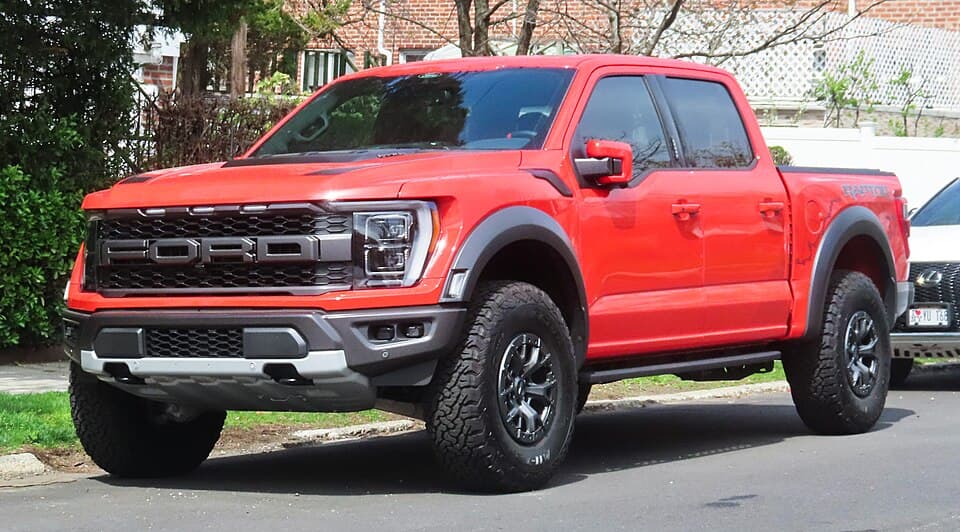
A stock Raptor can run Sand Hollow, both the dunes and the easier slickrock, in the same afternoon. Air down for the sand, then air back up before you touch the rock, and stay off the hardest ledge lines in the Chains area, those are built for buggies and short-wheelbase Jeeps, not a truck riding on a 145-plus inch wheelbase. Everything else in the park is within reach of a stock Gen 2 or Gen 3 Raptor, a Bronco Raptor, or a stock Ranger Raptor.
Sand Hollow State Park sits about 20 minutes from St. George and Hurricane, Utah, off Highway 15/Sand Hollow Road, and it is one of the only OHV areas in the region with actual infrastructure: a day-use fee per vehicle, a reservable developed campground with water and restrooms, and a reservoir for anyone who wants to swim or launch a boat after wheeling. That combination is rare. Most western dune areas ask you to bring your own everything. Sand Hollow lets you shower.
What kind of park this actually is
Sand Hollow is really two parks stapled together. The Sand Mountain OHV area is roughly 15,000 acres of orange dune and sandstone, the terrain most people picture when they hear the name. Layered on top of that is a network of slickrock trails, including the well-known Chains area and routes like The Maze, where the driving is technical rock crawling, not dune running.
That split matters because the two terrains ask for opposite things from a truck. Sand wants low tire pressure and momentum. Slickrock wants tire pressure back up and low-speed traction. You will do both if you spend a full day here, and the transition point is the actual skill test, not either terrain on its own.
The dunes: stock Raptor territory
The open dune field on Sand Mountain is exactly what a Raptor was built for. Long-travel suspension, a wide track, and enough power to keep momentum going up a face without stabbing the throttle. A stock Gen 2 Raptor with the factory Fox shocks, a stock Gen 3 on its updated suspension, or a Bronco Raptor on its factory Fox 3.1 Live Valve shocks will all run these dunes without drama.
Air down before you drop into the sand. The site's trail record for Sand Hollow calls for 15-20 psi, and that is the right range for a stock or lightly modified Raptor on stock-sized rubber. Go lower and you risk rolling a bead off the rim on a hard side-hill; stay higher and you will bog in soft faces and spin the fronts trying to climb.
Watch your line on the crests. Dune faces here fool depth perception, and a full-size truck can commit to a lip that drops off harder than it looks from the approach. Crest slow, look before you send the far side, and give whoever might be on the back side of a blind dune the benefit of the doubt, because Sand Mountain gets crowded on spring and fall weekends.
The slickrock: honest about what a full-size truck can and cannot do
This is where the park earns its "moderate" difficulty rating and where owners get themselves in trouble. Routes like West Rim, Top of the World, and Milt's Mile give a full-size truck real technical rock without leaving the dune area behind, and a stock Raptor with good ground clearance and the factory skid plating can run these lines carefully.
The Chains area is different. Those ledges were built and are still run primarily by short-wheelbase buggies and Jeeps, where the driver can place a tire on a ledge lip without worrying about the frame or rocker panel behind it. A Raptor's wheelbase and rear overhang mean the truck is still hanging off the back of a ledge the buggy already cleared. Attempt the harder Chains lines in a full-size Raptor and you are choosing between backing off or grinding rock rails and a rear bumper you paid for.
If you are building toward harder rock lines specifically, rock sliders and a full skid plate package are the two mods that actually change what you can survive here, more than a lift kit does on its own. Worth reading whether a Raptor actually needs a lift kit before you spend on ride height alone.
The air pressure problem nobody plans for
The single most common mistake at Sand Hollow is airing down for the dunes, running a great morning in the sand, and then rolling straight onto slickrock still at 15 psi. Low pressure on rock means more sidewall flex exactly where you need the tire to hold a precise line on a smooth, sloped surface, and it invites a pinch or a sidewall tear on a sharp rock edge that soft sand would never touch. Air back up to street pressure, or close to it, before you touch slickrock, and bring a compressor. An ARB twin onboard compressor makes that swap in a couple of minutes instead of the twenty a cheap tire inflator takes, and you will make this swap at least twice in one day here if you are running both terrains.
When to go
Spring and fall are the right call, and that lines up with the park's own guidance. Summer surface temperatures on the dunes and especially on the dark slickrock climb well past what is comfortable to stand on, let alone work a stuck truck under. Slickrock in particular holds heat like a griddle by mid-afternoon in June through August. If summer is your only window, run early morning and be off the rock before midday.
Getting in: fees, camping, permits
Sand Hollow charges a day-use fee per vehicle, and the developed campground is reservable rather than first-come. A permit applies for OHV use inside the park boundary, so check current requirements and fees on the state park's own booking page before you go rather than trusting a number from a forum post, they change year to year. Because Sand Hollow has an actual reservoir and campground, it is a legitimate weekend base rather than a day trip you have to bail out of, which is part of why it draws a heavier crowd than most western dune areas on holiday weekends.
How it stacks up against Moab
If Sand Hollow's slickrock has you curious about running the real thing, Moab is the next step up in both scale and difficulty, and our piece on whether a stock Raptor can run Moab covers exactly where a stock truck's limits show up there. Sand Hollow is the practice field; Moab is where the wheelbase problem gets serious.
The short version
- The dunes at Sand Hollow are stock-Raptor territory across every generation; air down to roughly 15-20 psi and watch blind crests.
- The slickrock (West Rim, Top of the World, Milt's Mile) is doable stock; the hardest Chains ledges are buggy and Jeep terrain a full-size Raptor should skip.
- Air back up before switching from sand to rock, don't run the same pressure for both.
- Go in spring or fall; summer surface heat on the dunes and slickrock is brutal by midday.
- Day-use fee, permit, and a reservable campground make this one of the few OHV areas where you can actually stay the weekend.
Owner questions
- What tire pressure should I run for the dunes at Sand Hollow in my Raptor?
- Air down to roughly 15-20 psi before dropping into the sand, which is the right range for a stock or lightly modified Raptor on stock-sized rubber. Go lower and you risk rolling a bead off the rim on a hard side-hill; stay higher and you'll bog in soft faces and spin the fronts climbing.
- Can a stock Raptor run the Chains area at Sand Hollow?
- Not the hardest ledge lines. The Chains area is built for buggies and short-wheelbase Jeeps, not a truck on a 145-plus inch wheelbase. A Raptor's wheelbase and rear overhang mean it's still hanging off the back of a ledge a buggy already cleared, so attempting the harder lines means grinding rock rails and your rear bumper.
- What mods actually help a Raptor handle harder rock lines at Sand Hollow?
- Rock sliders and a full skid plate package are the two mods that actually change what you can survive here, more than a lift kit does on its own. It's also worth reading up on whether a Raptor actually needs a lift kit before spending on ride height alone.
- Do I need a specific compressor to switch between sand and rock pressures at Sand Hollow?
- An ARB twin onboard compressor makes the pressure swap in a couple of minutes instead of the twenty a cheap tire inflator takes, and you'll need to make this swap at least twice in one day if running both dunes and slickrock, since low sand pressure invites pinches or sidewall tears on rock.
- What are the fees and camping options like at Sand Hollow State Park?
- Sand Hollow charges a day-use fee per vehicle, has a reservable developed campground with water and restrooms, and requires an OHV permit inside the park boundary. Check current requirements and fees on the state park's own booking page rather than trusting a forum post, since they change year to year.
Deal alert
Shopping for one? Get new listings first
We sweep US dealer inventory and send you new Raptors matching your search — real listings, real asking prices, no spam.