Bronco Raptor Wheels and Tire Sizing: What Actually Fits Without Rubbing
The Bronco Raptor's stock 37s and unique bolt pattern make wheel shopping trickier than it looks, and getting the offset wrong means instant fender rub. Here's what actually clears and what to avoid.
Gear in this article
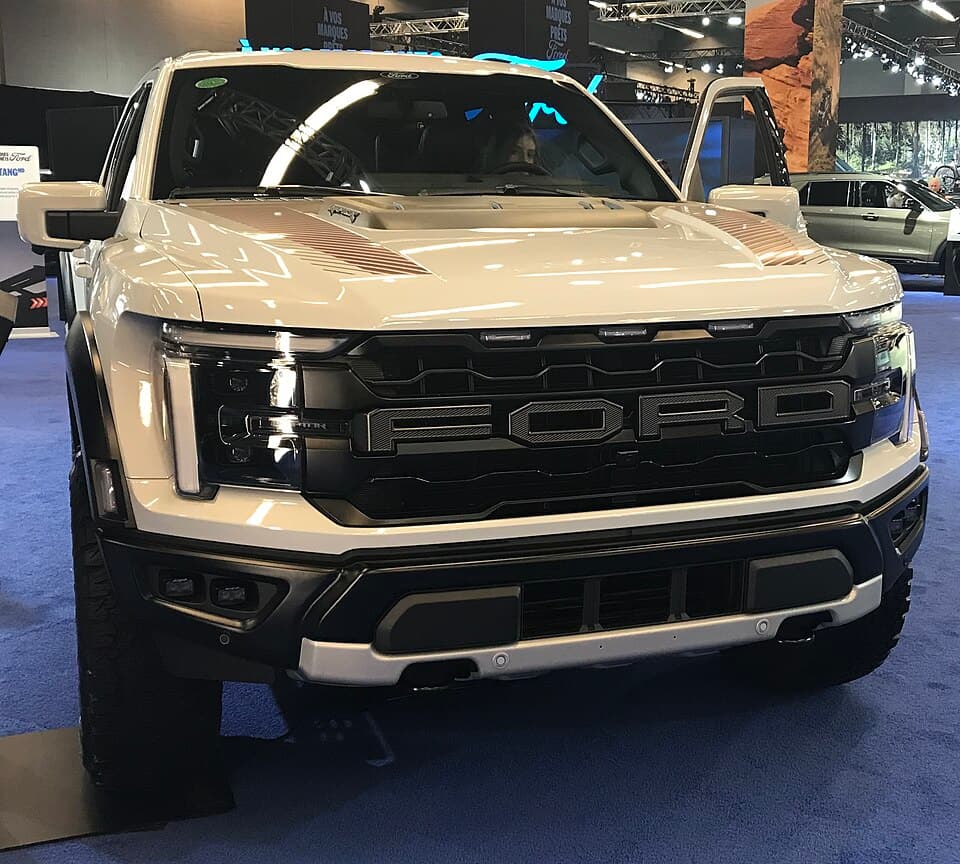
The Bronco Raptor ships from the factory on a 17-inch wheel wrapped in a 37x11.50R17 tire, and it does not share a bolt pattern or hub with the F-150 Raptor. It runs an 8-lug pattern tied to its Dana AdvanTEK axles, not the F-150's lug pattern, so a wheel built for the F-150 platform will not bolt up to a Bronco Raptor hub. Pull the exact stock wheel width, offset, bolt pattern, and center bore off the current Ford spec sheet for your build year before you order anything. Do not assume it matches an F-150 number you saw on a forum, and do not assume it matches last year's Bronco Raptor either, since Ford has adjusted trim details across the run.
Why F-150 Raptor wheel advice does not carry over
The F-150 Raptor and the Bronco Raptor share a nameplate and a marketing department, not a wheel. Different bolt pattern, different hub, different axle architecture underneath. Our F-150 Raptor wheels and offsets guide is correct for that truck, but if you cross-shop wheels between the two platforms without checking bolt pattern and center bore first, you are wasting a shipping charge at best and mismatching lug studs at worst.
This trips people up because the two trucks get cross-posted in the same off-road forums and look like siblings. They are not an interchangeable parts bin. Treat the Bronco Raptor as its own platform when you shop wheels, the same way you would treat the Ranger Raptor as its own truck rather than a small F-150.
Stock setup, and why offset is the number that actually matters
Ford builds the factory wheel and tire package to clear the fender flares at the Bronco Raptor's full suspension travel, which is unusually generous for a factory truck. We are not going to hand you a front and rear travel figure here, because suppliers and specs have shifted since launch and a wrong number is worse than no number. Pull the current figures for your model year from Ford's own documentation if you need them for a fitment calculation, and confirm the stock offset stamped on the wheel itself before you shop a replacement, since that is the number every aftermarket fitment guide will ask for.
That much wheel travel is exactly why offset matters so much on this truck. A wheel that clears at ride height can still hang the tire into the flare lip at full compression, and a wheel that looks fine parked in the driveway can rub the first time you load the front end into a dip.
Offset (or backspacing, depending on how the manufacturer specs it) is the number that decides whether an aftermarket wheel clears the fender at full articulation or hangs the tire out into the flare. Pushing the wheel face further out (less backspacing) gains stance but eats fender clearance fast, especially at full compression when the tire sits closer to the flare edge. Pulling the wheel face in (more backspacing) protects fender clearance but can bring the tire closer to the upper control arm or the coilover reservoir depending on your suspension.
We are not going to give you a single offset number and call it universal, because it is not. Backspacing tolerance, tire sidewall profile, and truck-to-truck build variance all move the answer. Check current fitment threads on Bronco Raptor owner forums and the wheel manufacturer's own fitment guide for the exact tire size you are running before you order, and if a shop is mounting the set for you, have them test-fit before they mount and balance four tires you cannot return.
What it costs to get this right
A wheel and tire package that matches the factory bolt pattern and stays inside a verified-safe offset range is a straightforward bolt-on job: budget roughly 1-2 hours of shop labor for mount, balance, and a post-install check, plus the cost of the wheels and tires themselves, which swings hard by brand and by whether you go beadlock or standard. If a shop has to test-fit before committing, or a wheel comes back rubbing and has to be swapped, add labor and shipping on top of that.
An alignment after any wheel or tire change is a separate line item, and most shops treat it as standard practice on a truck this heavy running tires this size.
If you are stepping up past the stock tire size, the cost picture changes. A leveling kit or small lift plus fender trimming is fabrication and paint work, not a parts-counter job, and shops price that closer to a half-day to a full day of labor depending on how much trimming the flares need. Get a written quote before you commit. "A little trimming" means very different things between shops.
Going bigger than the stock size
The factory tire is a 37x11.50R17, already a 37-inch tire, which is unusual for a truck that ships this way from a dealer lot. Widening to a 37x12.50 in the same 17-inch diameter, or stepping up to a 38 or 40-inch tire, both change the fitment math. A wider tire in the same 37-inch diameter can still hang past the flare lip depending on the wheel's offset, even though the overall height has not changed, so do not assume a wider stock-diameter tire is a drop-in swap without checking backspacing against your specific wheel. Going taller, to a 38 or 40-inch tire, typically requires a leveling kit or small lift to open fender clearance, and it almost always requires trimming the inner fender liner or the flare lip itself to stop rubbing at full lock and full compression.
Bigger or wider tires also mean more rotating mass and more load on every front suspension component ahead of the tire: ball joints, sway bar end links, tie rod ends. Keep an eye on the front end for the clunk and looseness that shows up as those parts wear, covered in our Bronco Raptor front-end clunk breakdown. That wear tends to show up sooner on trucks running larger tires and more aggressive offset than on stock setups, because the load path through the ball joints changes with every added pound of unsprung weight and every millimeter of offset.
Budget for an alignment after any wheel and tire change, and do not be surprised if a shop flags camber or caster outside factory spec on a truck that has been lifted and run bigger tires for a while. That is a normal maintenance item on a modified truck, not automatically a sign something is broken.
Beadlock or non-beadlock
Beadlock wheels bolt a ring around the tire bead to keep it seated on the rim at very low air pressure, which matters in sand and rock crawling where owners air down aggressively. For a Bronco Raptor that spends real time in the dunes or on rock, a beadlock setup like the Method Race Wheels 701 Beadlock buys you the ability to run single-digit PSI without popping a bead off the rim, provided it is available in the Bronco Raptor's specific bolt pattern and you confirm that before ordering.
For a truck that is mostly a daily driver with occasional trail runs, a non-beadlock wheel like the Method Race Wheels 305 NV is lighter, cheaper, and does not require the periodic bolt-torque check that a functional beadlock ring needs.
We covered the tradeoff in more depth in our Raptor beadlock wheels breakdown, written for the F-150 platform. The logic there, weight, cost, maintenance, and whether the low-pressure capability is worth it for how you actually use the truck, carries over the same way to a Bronco Raptor. The bolt pattern difference changes which specific wheel and beadlock ring diameter you can order, not whether the tradeoff is worth the money to you.
Also worth knowing: many state and local off-highway vehicle laws restrict true beadlock wheels, the kind with a functional outer ring bolted through the tire, to off-road use only, because that bolted ring is not DOT-rated the way a standard bead seat is. Check your state's rules before you plan on running beadlocks on the street.
What tires actually fit that size
If you are replacing the factory tires at the stock 37x11.50R17 size, you avoid the width question entirely and keep the fitment math the same as it left the factory. If you want to step up to a 37x12.50, treat it the same as any other offset change: verify against your wheel's actual backspacing before you buy four tires you cannot return.
Within the stock 11.50-inch width, the BFGoodrich KO2 37x12.50R17 and Nitto Ridge Grappler 37x12.50R17 are both sold in the wider 12.50 width as their standard offering in that diameter, so check with the manufacturer or a fitment guide for an 11.50-wide equivalent, or confirm your specific wheel has the backspacing to accept the 12.50 before ordering. Do not treat either as an automatic drop-in based on tire diameter alone.
The short version
- Do not assume F-150 Raptor wheels or offset numbers apply to the Bronco Raptor. Different bolt pattern, different hub, different axle. Verify wheel width, offset, and bolt pattern against current Ford spec sheets for your exact model year before you order.
- Staying at the stock wheel size, stock 37x11.50R17 tire size, and factory offset is the safe default that requires no fitment check, and it runs roughly 1-2 hours of mount-and-balance labor on top of parts.
- Any move to a wider 12.50-section tire in the same diameter still needs a real backspacing check, even though the overall tire height has not changed.
- Stepping up past the stock 37-inch diameter needs a real fitment check against your exact tire and suspension setup before you order. A lift or trim job to clear a 38 or 40 prices out closer to a half-day or more of labor, plus paint.
- Going wider or taller than stock means closer attention to front-end wear over time, since ball joints and end links carry more load with bigger tires and more aggressive offset.
- Beadlocks buy low-pressure capability for sand and rock at a weight and maintenance cost that is not worth it for a truck that stays mostly on pavement, and you still need to confirm bolt pattern availability before ordering.
Deal alert
Shopping for one? Get new listings first
We sweep US dealer inventory and send you new Raptors matching your search — real listings, real asking prices, no spam.