Raptor Skid Plates: What Actually Protects and What Is Just Weight
The factory bash plate covers less than people assume, and the aftermarket sells a lot of aluminium that mostly adds mass. Here is what earns its place underneath.
Gear in this article
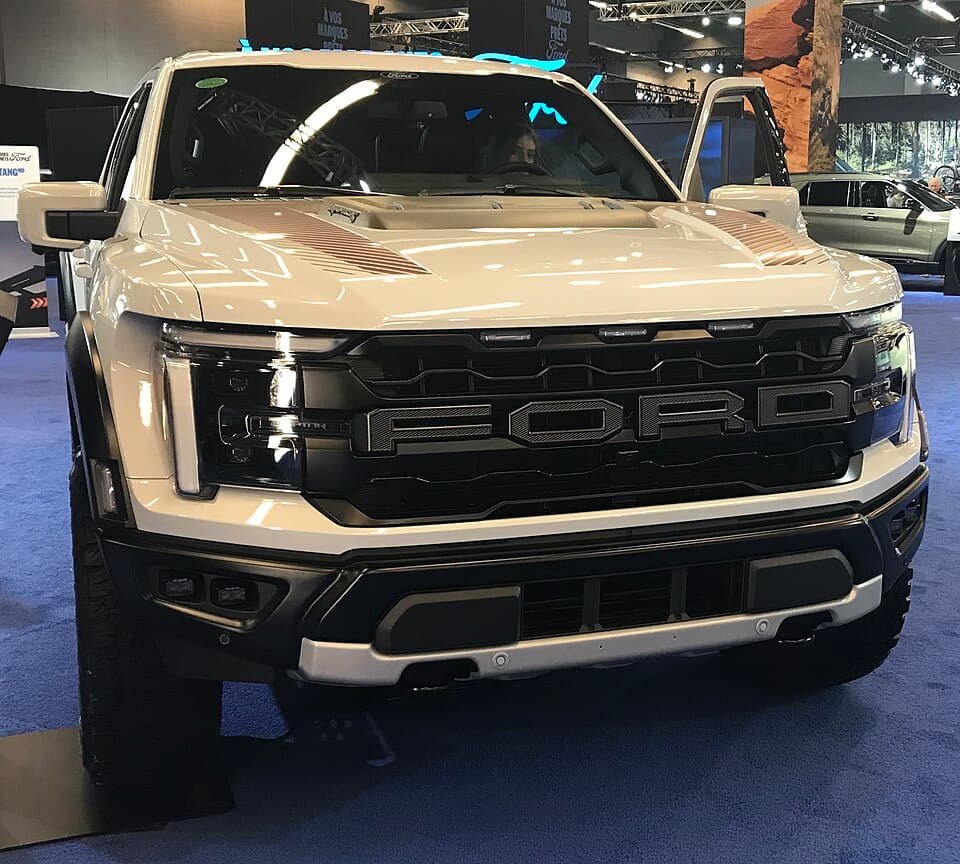
The factory skid plate on an F-150-based Raptor (Gen 1 through Gen 3, and the Raptor R) typically covers the front differential and, on most builds, the oil pan. It generally does not cover the transfer case, the fuel tank, or the transmission pan. Coverage differs by generation, trim package, and sometimes build date, and the Ranger Raptor and Bronco Raptor ship with more standard underbody protection than any F-150 variant, so do not assume your truck matches what a different Raptor came with. If you run rocky trails and never touch anything under the frame rails besides the factory plate, you have found the gap the aftermarket exists to fill. If you run whoops, dunes, and fire roads, you may not need to fill it at all.
That is the actual decision tree here: what you drive determines what is worth bolting on, and a lot of the aluminum sold as "skid plates" online is closer to a rock guard for your wallet than for your truck.
What the factory setup actually covers, and where it stops
Ford does not publish one universal skid plate spec across every Raptor variant. Coverage differs by generation, by trim package, and sometimes within a model year, so treat what follows as the general pattern and confirm against your own window sticker or build sheet before you assume anything.
F-150 Raptor, Gen 1 through Gen 3, and Raptor R
Across the Gen 1 SVT Raptor, the Gen 2 F-150 Raptor, the Gen 3 F-150 Raptor, and the Raptor R, the factory aluminum bash plate sits under the front differential and lower engine area, catching direct hits that would otherwise land on the diff housing or the oil pan. It is real protection for the single most expensive thing hanging low at the front of an independent front suspension (IFS) truck.
What it does not cover on any of these generations, as a rule: the transfer case, which hangs lower than most people expect on a departure off a ledge or through a rut, the fuel tank, and the transmission pan on trucks running the 10R80 10-speed automatic (the transmission covered in our 10R80 fluid change guide). Some off-road package trims add partial coverage further back, but a full belly-to-tailgate skid is not stock on any F-150-based Raptor. If you are shopping a used truck and the seller says it has "the off-road skid plates," get the actual parts list or look under it yourself.
Ranger Raptor
The Ranger Raptor ships with underbody protection as standard equipment, and because the platform is smaller and rides on a shorter wheelbase, the factory coverage reads as more complete relative to the truck's footprint. That does not mean every low-hanging component is armored. Coverage has differed between model years and markets, so confirm exactly what is fitted on your specific truck rather than assuming it matches what a different year came with.
Bronco Raptor
The Bronco Raptor comes closer to a genuine rock-crawling package from the factory than any F-150 variant, with more standard underbody protection and available rock rails aimed at the ledge-and-shelf driving this truck is actually marketed for. Even here, aftermarket transfer case and fuel tank skids remain a real upgrade for owners running places like Johnson Valley or the Barrett Lake / Wentworth Springs Rubicon-adjacent trails, where the factory rails were never built for sustained rock contact.
Steel vs aluminum vs UHMW: how each one actually fails
Every skid plate eventually fails a certain way. Knowing which failure mode you are buying tells you more than the spec sheet does.
| Material | Weight (relative) | How it fails | Best suited for |
|---|---|---|---|
| Steel | Heaviest | Dents and deforms, rarely cracks through | Sustained rock contact, ledges, Moab/Johnson Valley-style trails |
| Aluminum | Lighter than steel for similar coverage, though gauge varies by brand | Can crack, tear, or fold on a sharp point strike | Desert running, whoops, occasional trail where impacts are lower-force |
| UHMW (ultra-high-molecular-weight polyethylene) | Lightest by a wide margin | Punctures under a sharp point load, but rocks tend to slide off rather than catch | Sand, dunes, and as a slick liner bolted over another material |
There is no single industry standard for steel skid plate thickness. Manufacturers commonly work somewhere in the neighborhood of 3/16 inch to 1/4 inch stock, but this is a general range, not a spec you should quote back to a shop, and it varies by brand and by which section of the plate you are looking at. Confirm actual gauge on the product page or by calling the manufacturer before you buy, not from a forum thread or from us.
Steel is what you want if you are actually dragging the truck over rock at Moab or through the rutted sections of a serious OHV area. It absorbs a hit by bending, which is annoying but does not usually compromise what is behind it. Aluminum is what most aftermarket "skid plate kits" are made from because it is a reasonable compromise on weight, and it is fine for the driving most owners actually do. UHMW earns its place as a slide surface for sand and low-speed obstacle work, not as primary armor against a square rock edge at speed.
Which components genuinely need protection, and what it costs to cover them
Rank your actual use case before you rank the parts:
- Front differential and oil pan. Already covered by the factory plate on every F-150-based Raptor, at no extra cost. Leave it unless it is visibly damaged or missing.
- Transfer case. The highest-value aftermarket add for anyone running rutted trails, rock gardens, or repeated water crossings. A dedicated transfer case skid plate is a targeted, relatively light piece of protection for a component that is expensive to replace and hangs low on every generation. Shops and manufacturers quote a wide spread here depending on brand and material, so call for a number against your specific model year rather than trusting a flat figure.
- Fuel tank. Worth armoring if you run rock trails where a sharp strike on a low point is plausible, less critical for dune and whoops running where impacts are glancing. Pricing on standalone fuel tank skids tracks with the transfer case skid above, and swings the same way, by material and coverage.
- Transmission pan. Only a priority if you are consistently dragging the belly on ledges. Most owners never touch this.
- Rocker panels and frame rails. Not a skid plate function, but this is what a bolt-on rock slider set is for, and it belongs in the same conversation because it solves the same problem, a low-hanging expensive thing meeting a rock, for a different part of the truck. Rock slider pricing installed varies widely by whether the set welds to the frame or bolts to existing mounts, so get a shop quote against your generation before you budget a number.
A bundled skid plate package that covers front, transfer case, and rear in one purchase makes sense for a truck that is going to see Johnson Valley or Rubicon-adjacent terrain more than a couple times a year. Full packages swing hard in price by material, coverage area, and whether the kit bolts to factory mounting points or needs drilling and fabrication, so call the shop with your generation and trim before you commit rather than pricing it off a listing for a different truck.
For a truck that lives on fire roads, whoops at Sand Hollow, or the occasional graded trail, that same kit is mostly dead weight bolted to the frame.
The weight penalty, and why it is the real cost
Weight is the actual price of full underbody armor, and it is easy to underestimate because it never shows up on a spec sheet the way horsepower does. There is no single published figure across the aftermarket that lets us hand you a trustworthy pounds-added number for "a full steel skid package" versus "a full aluminum skid package," because coverage area, gauge, and mounting hardware all differ by brand. What is true by basic material property is that steel runs roughly two and a half to three times denser than aluminum, so a full underbody package in steel will add noticeably more weight than the same coverage in aluminum, often enough to matter on a truck that is already tight on payload. The only way to know your actual number is to weigh the specific kit you are buying or pull the manufacturer's published shipping weight, not to assume a round figure.
That weight comes straight off the truck's payload, which was already thin before you added anything. See our breakdown on what a Raptor can actually carry for the numbers, because skid plates do not show up on a payload sticker until you weigh the truck yourself.
This matters more the further your build goes. A truck already carrying a set of Fox 3.0 Internal Bypass Shocks, a winch-rated front bumper, and a bed full of overlanding gear does not have much payload left to spend on steel armor it will use twice a year. Our guide on building an overlanding Raptor around a weight budget walks through this trade-off in more detail, and the short version applies here too: decide what the truck actually needs to survive its actual trips, then buy the lightest material that survives that specific abuse, not the heaviest material that would survive a trip you are not taking.
When the stock plate is genuinely enough
If your Raptor's off-road use is whoops, sand, graded fire roads, or the kind of moderate trail work that never puts a rock directly under the transfer case, the factory front skid plate is enough. Do not buy a full underbody kit because a forum thread told you every Raptor needs one. It does not. The stock plate already covers the one component, the front differential, that fails expensive and fails often from rock strikes. Spend the money on tires and suspension travel instead, both of which do more for how the truck actually drives.
The exception is a truck heading somewhere genuinely technical. If you are planning runs through Johnson Valley or similar rock terrain, a transfer case skid and a set of rock sliders are a better first purchase than a full belly pan, because they cover the components most likely to get hit and cost the most to leave exposed.
The short version
- The factory skid plate on F-150-based Raptors covers the front differential and, on most trims, the oil pan, and generally nothing further back. The Ranger Raptor and Bronco Raptor ship with more complete factory coverage, but confirm specifics for your model year before assuming anything.
- Steel dents, aluminum can crack on a sharp hit, UHMW is a good slide surface but a poor primary armor. Pick the material for the failure mode your actual terrain produces, not the one that sounds toughest.
- A dedicated transfer case skid plate is the single highest-value add for anyone running rutted or rocky trails; get a shop quote against your specific generation rather than trusting a flat number off a listing. A full underbody kit only earns its weight, and its real cost is payload, if you are actually running terrain that will use it.
- If your driving is whoops, sand, and fire roads, the honest answer is to do nothing and spend the payload elsewhere.
Owner questions
- Ford Raptor skid plate recommendations
- Rank by use case: front differential and oil pan are already covered stock, so leave them. The transfer case skid is the highest-value add for rutted or rocky trails. Add a fuel tank skid for rock trails, transmission pan protection only if dragging ledges, and rock sliders for rockers/frame rails. Full bundled kits suit Johnson Valley or Rubicon-adjacent terrain runs more than twice a year.
- Does the factory skid plate on my F-150 Raptor cover the transfer case?
- No. Across Gen 1 through Gen 3 and the Raptor R, the factory aluminum bash plate covers the front differential and, on most builds, the oil pan, but as a rule it does not cover the transfer case, the fuel tank, or the transmission pan on trucks running the 10R80 10-speed automatic.
- What's the real difference between steel, aluminum, and UHMW skid plates?
- Steel is heaviest and dents/deforms rather than cracking, best for sustained rock contact like Moab or Johnson Valley. Aluminum is lighter but can crack, tear, or fold on a sharp point strike, suited to desert running and whoops. UHMW is lightest and punctures under a sharp point but lets rocks slide off, ideal for sand and dunes. Steel gauge typically runs 3/16 to 1/4 inch.
- Does the Bronco Raptor need aftermarket skid plates?
- The Bronco Raptor comes closer to a genuine rock-crawling package than any F-150 variant, with more standard underbody protection and available rock rails. Even so, aftermarket transfer case and fuel tank skids remain a real upgrade for owners running places like Johnson Valley or the Rubicon-adjacent Barrett Lake/Wentworth Springs trails, since the factory rails weren't built for sustained rock contact.
- Is a full underbody skid plate kit worth the weight on a Raptor?
- Only if you're actually running terrain that will use it, like Johnson Valley or Rubicon-adjacent trails more than a couple times a year. Steel runs roughly two and a half to three times denser than aluminum, so a full steel package adds noticeably more weight, cutting into payload that's already thin. For fire roads or whoops at Sand Hollow, that same kit is mostly dead weight.
Deal alert
Shopping for one? Get new listings first
We sweep US dealer inventory and send you new Raptors matching your search — real listings, real asking prices, no spam.