Running Uwharrie National Forest in a Raptor: Does It Actually Fit?
Uwharrie's trail system was carved out for narrower rigs, and a full-size Raptor pushes right up against its width and clearance limits. Here's what actually happens when you take one in, and what to check before you go.
Gear in this article
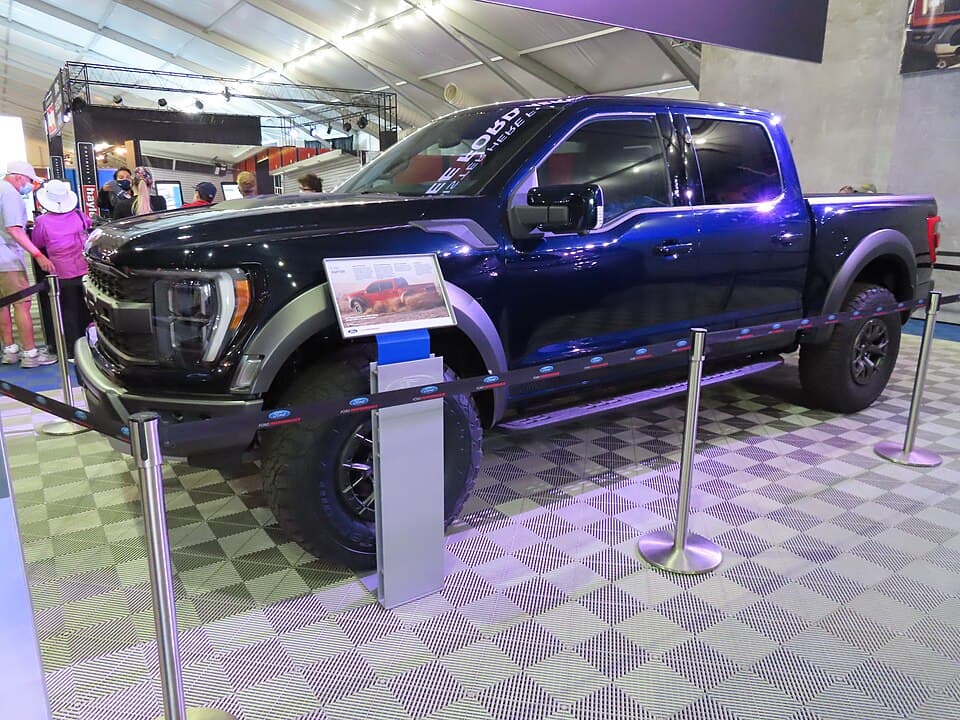
A full-size F-150 Raptor does not fit Uwharrie National Forest's OHV trail system the way it fits Johnson Valley or Moab. The trails were cut for ATVs, UTVs, and dirt bikes first, and the corridors, rock ledges, and creek crossings reflect that. A Raptor can physically survive some sections, but you will be dragging rocker panels, second-guessing every ledge, and possibly running trails you are not supposed to run on a full-size truck at all. Call the Uwharrie Ranger District or check the current Forest Service OHV page before you tow a rig out there, because width limits and open-trail lists on this system have changed more than once.
What Uwharrie's OHV trail system is actually built for
Uwharrie's OHV network sits in the Piedmont of central North Carolina, and the terrain is nothing like the wide-open desert most Raptor owners are used to. Think tight single-track through hardwood forest, exposed rock outcrops and ledges, red clay that turns to soup after rain, and creek crossings with rock bottoms instead of sand. The corridors were designed around ATV and UTV widths, with plenty of sections narrow enough that two machines cannot pass side by side.
That geometry is the whole problem. A trail built for a 50-inch UTV does not widen itself for a truck that is pushing 86 inches across the body before you even count the mirrors. Rock ledges that a Jeep or a Ranger Raptor can pick a line through become a rocker-panel lottery in something as wide and long as a SuperCrew Gen 2 or Gen 3 Raptor.
Does a full-size Raptor actually fit the width and clearance limits
Here is the honest answer: it depends on which specific trail segment you mean, and that changes. Uwharrie's OHV system has gone through documented periods of closures, reroutes, and rule changes over the years, including stretches where certain trails were restricted to narrower machines only. Do not assume a Raptor is street-legal to run there based on an old trip report, including this one. Confirm the current width limit, the current open-trail map, and any permit or trail-pass requirement directly with the Uwharrie Ranger District before you load up.
What we can say from the terrain itself, independent of whatever the current posted limit is: a stock F-150 Raptor Gen 2 or Gen 3 is wide enough that you will be brushing both sides of the tighter corridors, and the factory approach and departure angles are not built around stacked rock ledges the way a short-wheelbase Jeep's are. A Raptor R adds weight and length on top of that width, which does you no favors on off-camber rock where you want the truck light on its feet, not planted at 6,000-plus pounds.
The Bronco Raptor is the better fit of the full-size options here. It is shorter overall than an F-150 Raptor and has a tighter turning radius, which matters more on Uwharrie's switchbacks than raw horsepower ever will. It is still a wide truck with 37-inch tires filling the wheel wells, so it is not narrow, just less wrong for this terrain than the F-150.
If width is the deciding factor and you have not bought yet, the Ranger Raptor is meaningfully narrower than any full-size Raptor and closer to what this trail system was actually designed around. We cover that tradeoff in Is the Ranger Raptor Actually Big Enough? and it is worth reading before you decide which truck to bring to a tight technical forest like this one.
What happens to rockers and underbody protection
If you run a full-size Raptor on Uwharrie's rockier sections, plan on contact. Rock ledges that a narrower rig clears with a wheel placement adjustment will catch a Raptor's rocker panels and running boards because there simply is not room to steer around them in a tight corridor. The factory skid plates on a Gen 2 or Gen 3 Raptor cover the transfer case and some of the oil pan, but they are not built for repeated rock strikes at low speed on sharp Piedmont stone.
Rock sliders and a real skid package matter more here than they do in loose desert sand. We break down what actually stops damage versus what just adds weight in Raptor Skid Plates: What Actually Protects and What Is Just Weight, and the short version is that the factory plates are a start, not a solution, for terrain like this.
Front-end clearance and approach angle matter just as much on rock ledges as skid coverage does underneath. If you are running an aftermarket winch bumper for weight or recovery reasons, check what it does to your approach angle and ground clearance before you bring it to Uwharrie specifically. Aftermarket Raptor Front Bumpers: What Fits, What It Weighs, What It Costs covers the tradeoff between steel protection and the added weight and reduced approach angle that comes with it, which is exactly the tradeoff that bites on a tight rock trail.
Tire choice and airing down for this specific terrain
Uwharrie is not sand, and the airing-down math that works at Glamis or Silver Lake does not apply here. Dropping tire pressure too far on sharp rock and root-crossed clay increases your risk of a sidewall cut or a pinch flat against a rock edge, since there is no soft substrate to cushion the tire the way dune sand does. Most owners running rock and technical forest trails keep pressures higher than they would in dunes, airing down modestly for traction and ride quality rather than flotation.
Tire choice matters more than pressure here. A tire with a tougher sidewall, like the BFGoodrich KO2 or a similar all-terrain built for rock resistance, holds up better against Uwharrie's sharp stone than a softer all-terrain optimized for sand. We compare tire tradeoffs generally in Best Tires for a Ford Raptor: What Owners Actually Run, and for this terrain specifically, sidewall toughness should outrank tread pattern in your decision.
How this compares to other places Raptor owners run
Uwharrie is a different animal from the trail systems most Raptor owners already know. Johnson Valley is wide-open desert with room to pick your own line through whoops and washes, terrain a full-size Raptor is genuinely built for, as we cover in Running Johnson Valley in a Raptor. Moab's slickrock is technical but generally wide enough for full-size trucks, and we get into where a stock Raptor holds up and where it does not in Can a Stock Raptor Run Moab?.
Uwharrie shares Moab's rock-ledge technicality but drops the width margin that Moab's slickrock generally gives you. It is closer in spirit to a tight Eastern trail park than to anything in the desert Southwest, and that combination of narrow corridors plus rock ledges is exactly what a full-size truck struggles with most.
Before you go
Confirm three things directly with the Uwharrie Ranger District before you plan a trip: which trails are currently open to full-size vehicles, the current posted width limit if one applies to the segment you want to run, and whether a trail pass or permit is required. This system has changed its rules and its open-trail list before, and a forum post or an old trip report is not a substitute for the current Forest Service page.
The short version
- A full-size F-150 Raptor is wider and longer than what Uwharrie's OHV corridors were built around, and rock ledges will find your rockers on the tighter sections.
- The Bronco Raptor fits better than an F-150 Raptor here due to shorter length and a tighter turning radius; the Ranger Raptor fits better still due to narrower body width.
- Run rock sliders and real skid protection if you bring a full-size truck, air down modestly rather than aggressively given the sharp rock, and confirm current width limits and permit rules with the Uwharrie Ranger District before you commit a trip to it.
Deal alert
Shopping for one? Get new listings first
We sweep US dealer inventory and send you new Raptors matching your search — real listings, real asking prices, no spam.