Ford Raptor vs Chevy Silverado ZR2: Which Off-Road Half-Ton Is Worth the Money
Chevy's ZR2 and ZR2 Bison have closed the capability gap with the Raptor on paper, but the trucks feel and cost very differently in practice. This is a straight comparison of ride, off-road hardware, and total price to decide which one earns its premium.
Gear in this article
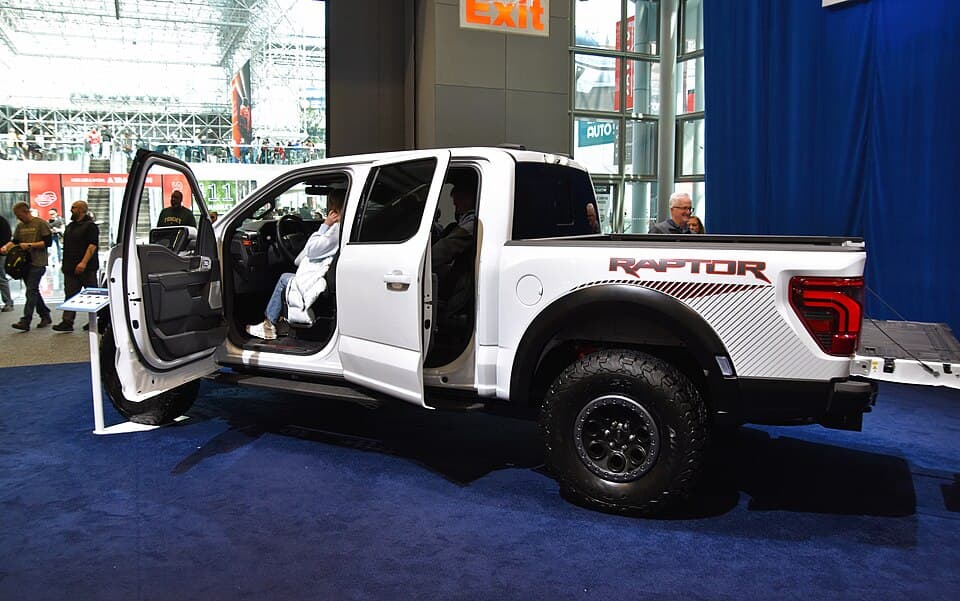
The Raptor wins on suspension sophistication and off-road pedigree, the Chevy ZR2 Bison wins on factory armor and price, and the base ZR2 is the value play if you never plan to leave the pavement above 50 mph. Neither truck is a clear winner across the board because they are built to solve different problems: Ford chased desert speed, Chevy chased rock-crawling durability, and both now overlap more than they used to. Which one earns its premium depends entirely on what kind of "off-road" you actually mean.
Suspension and shocks: adaptive damping versus race-proven passive tuning
The Raptor's headline hardware, from Gen 3 onward, is the Fox Live Valve shock (an electronically controlled damper that reads a suspension sensor dozens of times a second and adjusts compression and rebound in real time). It is the closest thing to a desert race truck's active suspension that Ford sells with a warranty. You can read how the system actually works, and what it costs when it does not, on our Gen 3 Live Valve suspension explainer.
Chevy's Silverado ZR2 and ZR2 Bison run Multimatic DSSV dampers (spool-valve shocks, the same basic damper architecture Multimatic builds for Formula 1 and Le Mans cars). The key distinction: DSSV is a passive, race-tuned damper, not an electronically adaptive one. There is no sensor deciding to stiffen the shock mid-whoop. Multimatic's argument, and it is a reasonable one, is that a well-tuned spool valve damper does not need to adapt because the valving is already close to ideal across a wide range of speeds and terrain.
In practice that means the Raptor rides softer and more controlled at low speed and adapts when you suddenly hit a rough section, while the ZR2's ride is more consistent but leans firmer, especially in the Bison's off-road-biased tune. Exact suspension travel figures for both trucks move by model year and trim, so confirm current numbers against Ford's and GM's published spec sheets before you compare them on paper. What we can say with confidence is that the systems solve the problem differently, not that one number beats the other.
For a sense of how the current front and rear shock hardware actually holds up over years of hard use, our Gen 3 Live Valve shocks failure guide covers what breaks on the Raptor side and what it costs to fix. We have not seen a comparable published failure-rate number for the ZR2's DSSV units, and neither has anyone else worth quoting, so treat any claim of one truck being more durable here as anecdotal until GM or an independent shop publishes real data.
Armor and skid plates: what is actually bolted on versus what you have to buy
This is where the ZR2 Bison genuinely closes the gap, and it is worth taking seriously before you write it off as a marketing trim.
The stock Raptor, across every generation, ships with underbody protection that is adequate for moderate trail use but not built for rock contact at speed. Owners running Moab-style terrain or anything with sharp ledges routinely add aftermarket skid plating. Our Raptor skid plate breakdown walks through which factory panels are structural and which are just sheet metal, and what an owner actually needs to add for real rock protection.
The ZR2 Bison, by contrast, comes from the factory with a genuine armor package built in partnership with AEV (American Expedition Vehicles), including underbody skid plating, unique steel front and rear bumpers, and recovery points designed for winching rather than just towing. That is a meaningful factory-installed difference, not a badge. If your trail use involves rock ledges, water crossings with debris, or anything where a stock Raptor owner would already be shopping for something like an RCI full skid plate package or Juggernaut USA skid plate package, the Bison arrives with a version of that problem already solved. The trade is that you are paying for it whether you need it or not, and the base ZR2 (non-Bison) does not get most of it.
Bed, payload, and towing: don't trust a spec sheet, check the door sticker
Payload and towing on both trucks are highly configuration-dependent, and the marketing numbers rarely match what a specific truck on a lot can actually carry once you account for options, cab size, and axle ratio. Rather than restate fresh figures here that would be wrong for half the trims reading this, go to our own breakdowns: what a Raptor can actually carry and Raptor towing capacity by generation. Both articles pull the real payload sticker numbers rather than the "up to" figure Ford prints in a brochure.
The general shape of the comparison, without pretending to precision: the Raptor's factory tune trades some payload and towing capacity for suspension travel and wide-stance off-road geometry, and the ZR2 makes a similar trade but usually lands slightly closer to a standard half-ton's numbers, especially on the non-Bison trim. Neither truck is the one to buy if towing a trailer regularly is your primary use case. A regular F-150 or Silverado will tow more and cost less.
Pricing tiers: ZR2, ZR2 Bison, Raptor, and Raptor R
Exact MSRPs shift year to year and by option package on both sides, so treat the figures below as the order of the tiers, not gospel numbers, and confirm current pricing against the window sticker before you shop.
| Trim | Rough tier position | What separates it |
|---|---|---|
| Silverado ZR2 | Entry off-road half-ton | DSSV dampers, 2-inch factory lift, no factory armor package |
| ZR2 Bison | Mid-premium | Adds AEV armor, unique bumpers, recovery points |
| Ford Raptor (Gen 3) | Premium | Fox Live Valve, widebody, factory 37-inch-capable stance |
| Raptor R | Top tier | Supercharged 5.2L V8, six figures new |
Used-market data we track puts Raptor R pricing at an average of roughly $102,000-138,000 across 2023-2026 model years depending on age and mileage, which gives you a sense of how steep the premium is over a standard Raptor. For current new and used Raptor pricing across every trim, our 2026 Ford Raptor price guide tracks live listings rather than sticker prices. If you are trying to decide whether the R's extra cost is worth it over a standard Raptor at all, that is a separate decision covered in Raptor vs Raptor R: what the extra money actually buys.
The ZR2 Bison undercuts the Raptor by a real margin new, and that gap widens further on the used market, which is the strongest financial argument in Chevy's favor. If you are cross-shopping and money is the deciding factor, the Bison is doing more for less.
Reliability: known issues on each side, not assumed parity
The Raptor's failure points are well documented at this point. The 3.5 EcoBoost in Gen 2 and early Gen 3 trucks has a known cam phaser rattle issue, the 10R80 transmission has a documented harsh 1-2 shift and torque converter shudder complaint, and turbo failures on the same engine family are covered in our 3.5 EcoBoost turbo failure guide. These are not rumors, they are patterns backed by TSBs and widespread owner reports across multiple model years.
GM's ZR2 platform has its own service history worth researching before you assume the Multimatic hardware means a trouble-free truck. Owners and independent shops have reported issues with the front differential actuator and rear locker engagement on certain Colorado and Silverado ZR2 model years, and GM has issued its own service bulletins addressing specific driveline and electrical complaints. We have not verified TSB numbers or a failure rate worth quoting here, and neither should you take one on faith from a forum thread. The honest position is that both trucks have documented weak points, they are just different weak points, and picking one because you assume the other is "the unreliable one" is a bad way to shop.
Which one to buy, by how you actually drive
High-speed desert running, whoops, and dune work: the Raptor's Fox Live Valve suspension and wider stance are built for this specifically. If you run places like Glamis or Johnson Valley regularly, the Raptor's advantage over the ZR2 is not marginal, it is the reason the truck exists. Our King versus Fox versus ICON whoops test gets into why suspension tuning matters this much at speed even on the aftermarket side.
Rock crawling and technical low-speed trail work: this is where the ZR2 Bison's factory armor and the DSSV damper's consistent low-speed tune actually matter more than the Raptor's electronics. If your trail use looks more like ledges and rock gardens than open desert, the Bison's stock protection closes a real gap without you spending on aftermarket skids first.
Daily driving and comfort: the Raptor's Live Valve system is genuinely better at smoothing out potholes and broken pavement because it is reading the road and adjusting, not just running a firm passive tune. If the truck spends five days a week commuting and one day a month off-road, the Raptor's daily ride quality is the stronger argument, and it holds even before you get to the desert.
The short version
- Buy the Raptor if high-speed off-road running is the actual use case, or if daily ride comfort matters more than off-road armor.
- Buy the ZR2 Bison if rock-crawling-style trail use and stock armor matter more than electronic suspension, and if the lower price actually changes your decision.
- Buy the base ZR2 only if you want the off-road look and occasional trail capability without paying for either truck's top-tier hardware.
- Do not assume either truck is more reliable than the other without checking the model year specific issues; both have real, documented weak points.
Deal alert
Shopping for one? Get new listings first
We sweep US dealer inventory and send you new Raptors matching your search — real listings, real asking prices, no spam.