Ford Raptor Rock Sliders: What Actually Protects the Rocker Panels
Rock sliders range from cosmetic tube steps to serious bolt-on armor rated to jack a truck from, and picking the wrong one leaves your rocker panels exposed exactly when you need them covered. This guide separates real protection from a step rail with a tough-sounding name.
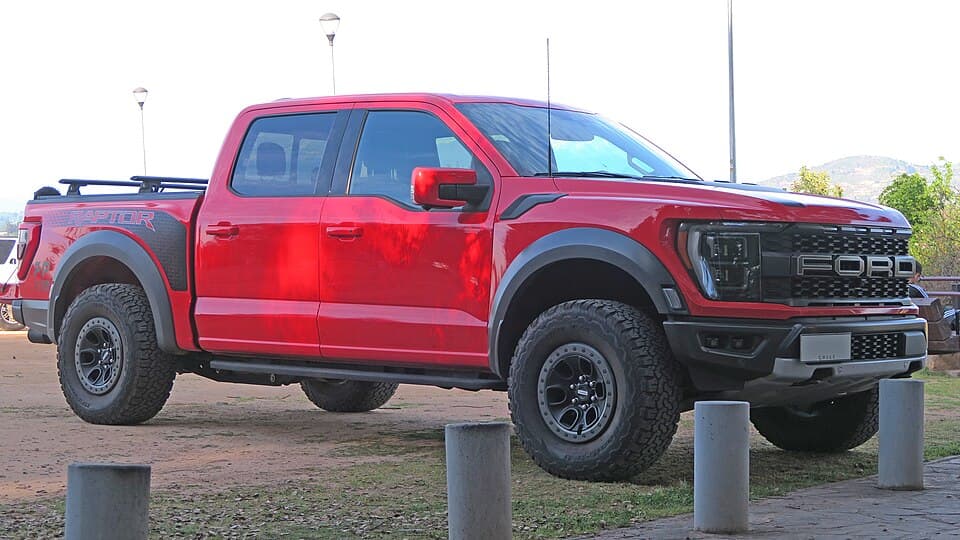
Rock sliders only protect your rocker panels if they are rated to catch the full weight of the truck on a rock or jack it up without bending, and a lot of the tube steps sold as "rock sliders" are not built to do either. If a manufacturer cannot give you a load rating or a jacking rating in writing, treat the product as a step rail, not armor, no matter what the listing calls it.
That distinction costs people money and rocker panels every season. Here is how to tell the two apart and how to buy the right one for how you actually use the truck.
Cosmetic step rail or real rock slider: how to tell
The giveaway is mounting and tube wall, not appearance. Both styles can look nearly identical from ten feet away.
A step rail (often sold as a "nerf bar") usually clamps to body mounting points or light frame brackets with small-diameter tubing, sometimes thin-wall. It is designed to hold a person's foot getting in and out of the truck, nothing more. Drag a rock sideways into one at speed and the body mount tears loose, the tube crumples, and the rocker panel behind it takes the hit anyway. You paid for the illusion of protection.
A true rock slider bolts to reinforced frame points (plural, usually three or four per side), uses heavier wall tubing, and is designed to carry the vehicle's weight if you high-center on a rock and need to jack from the slider itself. The serious builders back this up with an actual rated capacity, not a marketing claim. Brands that build Raptor-specific sliders in this category include companies like ADD, C4 Fabrication, Fab Fours, and Rough Country at various price and quality points, and the site's own database carries the RCI SuperCrew Rock Sliders as a frame-mounted example worth comparing against.
Do not assume a jacking rating exists just because the product is called a rock slider. Email or call the manufacturer and ask for the published load rating and the mounting-point spec for your specific generation and cab config before you buy. If they cannot answer in writing, that tells you what you need to know.
What's different by generation and why fitment matters
A slider built for a Gen 2 F-150 Raptor (2017-2020) will not bolt to a Gen 3 Raptor (2021-present) frame, and neither will fit a Bronco Raptor or Ranger Raptor. Wheelbase, cab length (SuperCab vs. SuperCrew on the F-150 side), and frame rail geometry all changed enough between generations that "universal Raptor fitment" claims should make you suspicious.
The Raptor R shares its frame with the Gen 3, so sliders rated for a Gen 3 F-150 Raptor generally fit the R, but confirm with the manufacturer rather than assume, since brackets sometimes change with trim-specific exhaust or skid routing.
Material matters too. Steel sliders are stronger per dollar and easier to repair after a hit (a local fab shop can straighten or re-weld steel). Aluminum sliders save weight but are harder to field-repair and some designs sacrifice wall thickness to hit a weight target. Confirm current material, weight, and pricing directly with the manufacturer's fitment guide for your exact model year; none of that is static and it is not something to guess at.
Bolt-on versus weld-on: what you're trading
Nearly everything sold today for the Raptor platform is bolt-on, and that is the right call for most owners.
Bolt-on sliders mount to factory or add-on frame brackets with grade-8 hardware. Install is drill-free on most kits, reversible for resale, and does not touch the frame's coating or trigger a warranty conversation. The tradeoff is that the strength of the install is only as good as the bracket and the number of mounting points. A two-point bolt-on slider flexes more under a serious hit than a four-point design.
Weld-on sliders tie directly into the frame rail and are stronger for the same tube diameter because there's no bracket flex and no bolt to shear. They are the choice for guys running Johnson Valley or similar rock trails regularly and planning to keep the truck. The downsides are real: welding modifies the frame, it is not something you do in a driveway without a welder who knows what he's doing, it is effectively permanent, and it can complicate a future warranty claim or resale conversation since a buyer or a dealer tech can see a modified frame. Budget for a fab shop to do this correctly rather than attempting it yourself unless you weld for a living.
For most owners who hit rock trails occasionally and daily drive the rest of the time, a quality four-point bolt-on slider closes most of the gap to weld-on strength without the downsides.
Weight and the angles nobody talks about
Sliders add unsprung-adjacent weight low and outboard on the frame, which is a reasonable tradeoff for the protection, but they do change two numbers that matter on technical trails: departure angle at the rear corners if the slider extends past the rocker line, and breakover angle in the middle of the wheelbase if the slider hangs lower than stock rocker height.
A properly designed slider should not hang lower than the factory rocker molding, but cheap step-rail products sometimes do, trading ground clearance you had for ground clearance you didn't ask for. Check the manufacturer's ground clearance spec against your truck's stock rocker height before buying, especially on a lifted build running 37s where you already changed every angle in the truck's favor and do not want to give it back.
If you are building toward an overland rig and stacking a winch bumper, skids, sliders, and a roof rack, the weight adds up fast enough to change ride height and payload math. Work through the full weight budget before finalizing parts in our guide to building a Raptor's weight budget first rather than discovering the problem after the truck is three inches lower on one side.
Sliders are one piece of underbody armor, not the whole plan
Rock sliders protect the rocker panel and the area directly outboard of the frame rail. They do nothing for the oil pan, the transfer case, the transmission, or the front differential sitting exposed underneath the engine bay. If you are running trails serious enough to justify load-rated sliders, you should be looking at skid plates that actually protect those components as part of the same build, not as an afterthought.
The front end takes its own hits independent of the rockers, and a slider does nothing to stop a bumper-height rock strike or protect a winch mount. See what actually fits and what it weighs on Raptor front bumpers if sliders are the first piece of a bigger armor plan rather than a standalone purchase.
Buying framework: match the slider to how you actually drive
| Use case | What to buy | Why |
|---|---|---|
| Daily driver, occasional dirt road or fire road | Step rail or skip sliders entirely | Low rock-strike risk; a running board serves the same practical purpose at lower cost and weight |
| Weekend trail runs, moderate rock exposure (places like Rausch Creek or Windrock Park) | Bolt-on, 3-4 point frame-mounted slider with a published jacking rating | Real protection without weld-on commitment; still removable for resale |
| Regular rock-crawling or technical trail use (Johnson Valley, Rubicon-adjacent routes) | Weld-on or heavy-duty multi-point bolt-on, steel, highest rated capacity you can justify | You will eventually high-center; the slider needs to actually hold the truck |
| Dune and sand-only use (Glamis, Little Sahara) | Skip load-rated sliders, prioritize ground clearance and weight savings elsewhere | Rock contact risk is near zero; the weight is pure downside |
Installing it yourself: the torque caution
Most bolt-on kits are a reasonable weekend DIY job with a torque wrench, a jack, and a second set of hands, typically a few hours per side depending on whether the kit requires trimming plastic fender liners or splash shields. The part that gets skipped is torque spec. Frame-mount bolts on a slider are a structural fastener, not a trim bolt: torque them to the fastener manufacturer's spec, not a number pulled off a forum thread, and recheck torque after the first fifty miles or first trail run since new hardware settles. If the kit ships without a stated torque spec, call the manufacturer, since a loose or overtightened grade-8 bolt at a frame mount is how a four-point slider becomes a two-point slider without you knowing it.
The short version
- A rock slider only protects you if it's rated to carry the truck's weight; if the manufacturer won't give you a jacking rating in writing, it's a step rail, not armor.
- Bolt-on, multi-point, frame-mounted steel sliders are the right call for most owners who actually see rock trails; weld-on is stronger but permanent and worth it only for serious regular use.
- Confirm fitment, material, and pricing against the current manufacturer guide for your exact generation and cab config, never assume cross-generation compatibility.
- Sliders are one piece of underbody protection: pair them with real skid plates and think through the front bumper and total build weight before you buy.
Deal alert
Shopping for one? Get new listings first
We sweep US dealer inventory and send you new Raptors matching your search — real listings, real asking prices, no spam.