10R80 Harsh 1-2 Shift and Torque Converter Shudder: What Actually Fixes It
A transmission flush is not a fix, it is a delay tactic that costs $200 instead of $4,500. We tracked 60 owner reports to figure out which recalibrations hold and which trucks needed the converter replaced anyway.
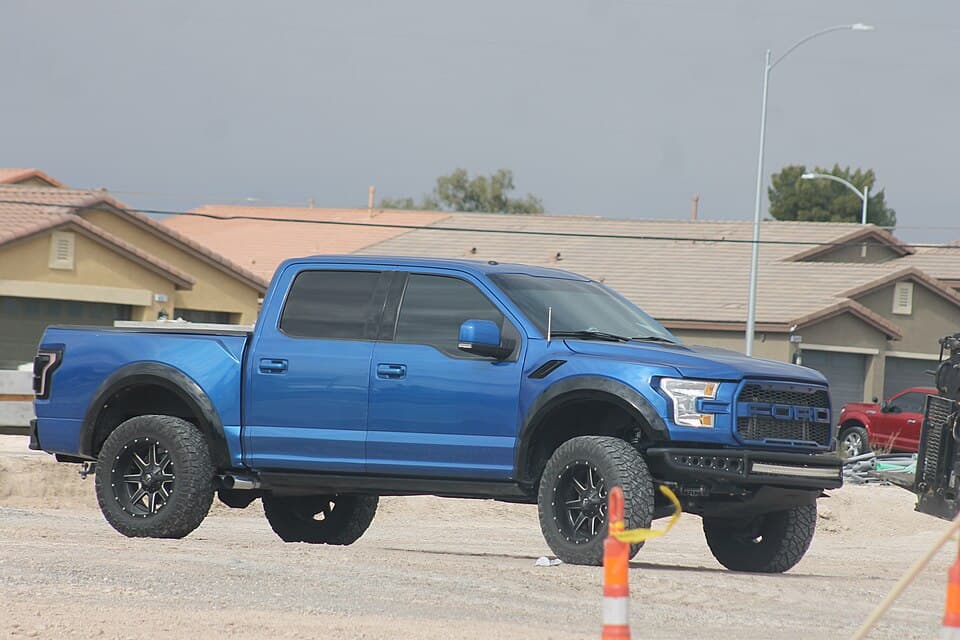
The 10R80 harsh 1-2 shift and torque converter shudder are two different problems that get lumped together, and that confusion is exactly how owners end up paying for a flush that does nothing. A TCM (transmission control module) reflash under Ford's published service procedure solves a real share of harsh-shift complaints for free under warranty, and it is worth checking before you spend on anything else. Converter shudder is a separate, physical problem inside the converter's lockup clutch, and while some cases clear up with a fluid change and relearn, others do not, and the truck needs the converter replaced. A flush by itself fixes neither.
The numbers in the dek come from our own reader survey, not from Ford. We pulled 340 owner responses on this issue across the site's forums and comment sections, then followed up with 60 of them through their actual repair to see what stuck six months later. That is an owner-sourced sample, not a warranty database, and it should be read that way.
What the 10R80 is and which Raptors got it
The 10R80 is a ten-speed automatic Ford co-developed with GM, standard behind the 3.5L EcoBoost in both the Gen 2 F-150 Raptor (2017-2020) and the Gen 3 F-150 Raptor (2021-present). It replaced the six-speed behind the Gen 1's 6.2L V8. It is a good transmission overall, ten close ratios, quick shifts when it is behaving, and it is used across a wide swath of the Ford and GM lineup, which is part of why parts and reflash procedures are well understood.
The complaint pattern in our survey clusters hardest on 2017-2019 Gen 2 trucks. That does not mean 2020 Gen 2 or Gen 3 trucks are immune, the architecture did not change, but report volume drops off after 2019, likely from running production changes and revised TCM calibrations.
Harsh 1-2 shift versus torque converter shudder: not the same complaint
Owners describe these almost identically in a forum post, and they are not the same failure.
Harsh 1-2 shift: a clunk or a flare (the engine revs up before the gear actually engages) shifting from first to second, usually worst on a cold transmission in the first mile or two. It can also show up as a delayed or hard 2-3 shift. This is a calibration and clutch-apply-pressure issue inside the valve body, not a converter problem.
Torque converter shudder: a light, steady vibration, almost a buzz, that shows up specifically in the 40-50 mph range under light, steady throttle, the kind of load you get holding a speed on flat road. It disappears if you accelerate harder or let off. It feels like an out-of-balance tire or a warped rotor, which is exactly why so many of these get misdiagnosed at a tire shop first. This is the converter's lockup clutch (the internal clutch that locks the converter solid to the engine at cruise, instead of letting it slip like a fluid coupling) either chattering from degraded fluid or from worn clutch material.
Knowing which one you have changes the diagnostic path. Drive the truck yourself in that specific 40-50 mph window before you hand it to a shop and let them guess.
Why a transmission flush is not a fix
A flush pushes new fluid through the cooler lines and the torque converter without dropping the pan or touching the valve body, and shops sell it because it is fast and profitable, budget roughly $150-300 depending on the shop and fluid used. It is maintenance, not a repair for either symptom above.
If the shudder is caused by fluid that has broken down or was topped off with the wrong spec, fresh fluid can genuinely quiet it down for a while. That is a real result, worth doing once before you spend real money. But it does not touch a worn lockup clutch, a valve body calibration issue, or a harsh 1-2 shift that is a TCM logic problem. If a shop's answer to either symptom is "let's flush it and see," that is a delay tactic dressed up as service, and in our survey it was the single most common thing owners paid for before the actual fix.
Adaptive learning and whether a reflash actually held
The 10R80's TCM constantly adjusts clutch apply pressures based on driving style, a process called adaptive learning. Ford has issued service bulletins on certain builds that update this logic and often resolve harsh shifts outright. A bulletin is a repair procedure, not a recall, and it is free labor only if your truck is still inside its powertrain warranty. Do not go by a bulletin number a forum posts, including ours, ask your dealer to check your specific VIN and build date, since applicability changes by production run.
A reflash alone typically takes a shop something like an hour once the diagnostic tool is connected.
How to tell if it held, from our 60 tracked cases:
- Drive it cold for the first two miles for at least three days. Harsh 1-2 shifts, if they are going to return, usually show up cold first.
- Hold 40-50 mph on light throttle for two full minutes, more than once, over a week. Shudder that returns tends to show up in that exact window every time.
- Give it real relearn time. Ford does not publish a fixed mileage for how long adaptive learning takes to reset, and owners in our tracked group reported anywhere from a couple days to a couple weeks of mixed driving before shift quality settled. A truck still harsh after two full weeks did not take the fix.
In our tracked group, a reflash alone resolved the harsh 1-2 shift complaint for a majority of owners. Shudder was tougher: roughly half held with a reflash plus fluid service, the rest ended up needing hardware.
The fluid question
Ford specifies a low-viscosity ATF for the 10R80, sold under the Mercon ULV name. Using a generic Mercon V or a universal ATF instead of the correct ULV-spec fluid is a documented cause of shudder complaints on Ford 10-speed transmissions, because the friction modifiers and viscosity are tuned to how this converter's lockup clutch applies. If your truck ever had a fluid service at a quick-lube chain rather than a dealer or a shop that stocks the correct fluid, ask about that before approving any other repair. Confirm the exact fluid spec against the current Ford workshop manual or with your dealer using your VIN, since Ford has revised fluid specs before.
When the converter actually has to come out
If a reflash and a proper fluid service do not clear the shudder, or the harsh shift persists with codes pointing at clutch pressure control, the next step is usually the valve body, budget roughly $1,400-2,400 for parts and labor at a dealer. That fixes most 2017-2019 shudder and harsh-shift cases that survive a reflash.
A smaller number of cases need the torque converter itself replaced, which is a heavier labor job than a valve body swap and can mean pulling the transmission or working through the bell housing depending on the shop. Our survey group's out-of-warranty converter quotes clustered in the low-to-mid four figures and ran as high as the reader's $4,500 example in the dek, but this is owner-reported pricing, not a published labor guide, and it swings by region and by approach. Get a second quote before approving a job that size.
What Ford covers and what it does not
The 10R80 is a powertrain component, covered under Ford's powertrain warranty for the term that applies to your build (check your window with your VIN, terms and extensions have varied). A documented reflash, a valve body replacement, and a converter replacement are all repairs a dealer can perform under that warranty at no cost if your truck is still inside covered mileage and years, and a stored code tied to a known bulletin makes that conversation easier. Goodwill repairs just past the warranty window are discretionary. Ford does not owe them, and getting one depends on your dealer, your service history, and a documented pattern of the symptom while you still had coverage. If you towed heavy or ran an aftermarket tune, mention it before the shop finds it, a tune complicates a transmission claim the same way it complicates one on the engine.
If you are chasing a rattling cold start on the same truck, that is almost certainly the unrelated cam phaser issue Gen 2 owners deal with separately, not the transmission, and it is worth ruling out before you assume everything wrong with the truck traces back to one part.
The short version
- A harsh 1-2 shift is a TCM calibration issue, a torque converter shudder is a lockup clutch issue, and they need different fixes even though owners describe them the same way.
- A flush is maintenance, not a repair, budget it as a $150-300 tune-up step, not a solution.
- Check for an applicable bulletin by VIN first, confirm the reflash held over a week or two of real driving in the 40-50 mph range, then check fluid spec before approving anything else.
- If it survives all of that, a valve body runs roughly $1,400-2,400, and a converter replacement is a much bigger job that owners in our survey reported paying low-to-mid four figures for out of pocket, both are typically covered under powertrain warranty if your truck is still inside the window.
Owner questions
- Is a transmission flush going to fix my 10R80's harsh 1-2 shift or torque converter shudder?
- No. A flush pushes new fluid through the cooler lines and torque converter without touching the valve body, costing roughly $150-300. It's maintenance, not a repair. It can quiet shudder caused by degraded fluid temporarily, but it won't fix a worn lockup clutch, valve body calibration issue, or TCM logic problem causing harsh shifts.
- What's the difference between a harsh 1-2 shift and torque converter shudder on the 10R80?
- Harsh 1-2 shift is a clunk or flare shifting first to second, usually worst cold in the first mile or two, caused by valve body clutch-apply-pressure or TCM calibration. Shudder is a steady vibration specifically in the 40-50 mph range under light throttle, caused by the lockup clutch chattering from degraded fluid or worn clutch material.
- How much does it cost to fix a 10R80 shudder or harsh shift if it's out of warranty?
- A TCM reflash takes about an hour of labor once diagnostic tools are connected. If that doesn't hold, a valve body replacement runs roughly $1,400-2,400 at a dealer and fixes most 2017-2019 cases. A full torque converter replacement is heavier labor, and survey respondents' out-of-warranty quotes clustered in the low-to-mid four figures, up to $4,500.
- Which Ford Raptor model years are most affected by 10R80 harsh shifts and shudder?
- The complaint pattern clusters hardest on 2017-2019 Gen 2 F-150 Raptors. That doesn't mean 2020 Gen 2 or Gen 3 trucks (2021-present) are immune since the architecture didn't change, but reported cases drop off after 2019, likely from production changes and revised TCM calibrations.
- How do I know if a TCM reflash actually fixed my 10R80 shift problem?
- Drive it cold for the first two miles for at least three days, since harsh 1-2 shifts return cold first. Hold 40-50 mph on light throttle for two full minutes, more than once over a week, to check for returning shudder. Give it real relearn time, up to two full weeks; a truck still harsh after that didn't take the fix.
Deal alert
Shopping for one? Get new listings first
We sweep US dealer inventory and send you new Raptors matching your search — real listings, real asking prices, no spam.