Ford Raptor Snorkels: Worth It, or Just Overlanding Theater?
A snorkel is one of the most visible mods on a built Raptor, but the truck's factory wading depth already covers most water crossings enthusiasts actually attempt. This piece breaks down what a snorkel really changes, what it costs, and when it's genuinely necessary versus cosmetic.
Gear in this article
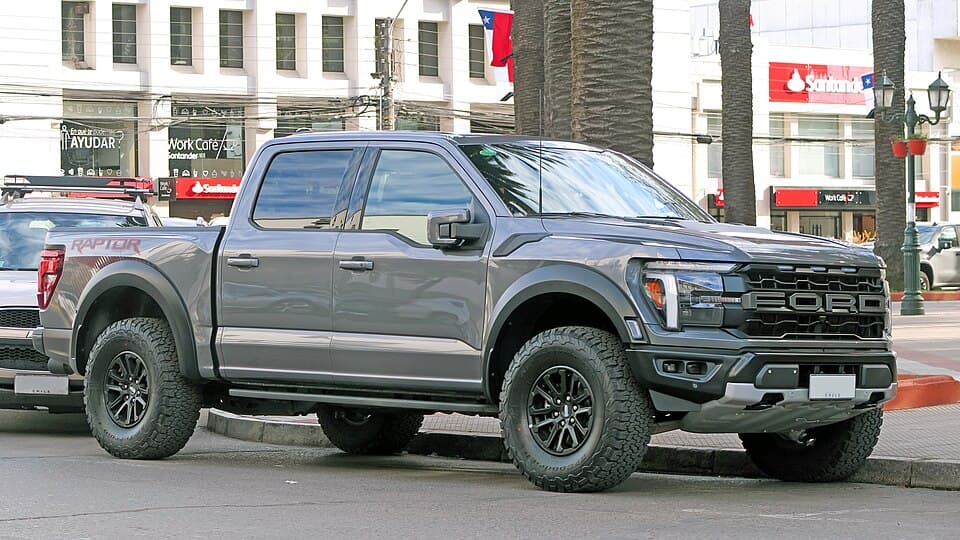
A snorkel moves your Raptor's air intake from the fender well to shoulder height. That is the entire mod. It does not add a single inch of wading depth, does not seal your axles or transmission breathers, and for most owners running sand, trails, and the occasional creek crossing, it fixes a problem they do not have. For the owner doing repeat, deep water crossings or sustained mud and silt, it fixes a real one.
Before you spend a dollar on this, read the site's own breakdown of factory wading depth and what water actually ruins on a Raptor. That article has the real numbers for your generation. This one is about what a snorkel changes once you already know that baseline.
What a snorkel actually does
The factory air intake on every Raptor generation, Gen 1 through Gen 3, the Raptor R, Ranger Raptor, and Bronco Raptor, draws air from low in the engine bay, typically behind the grille or fender liner. That location is fine for dust and rain. It is not fine for a deep crossing, because if water reaches the intake opening before it reaches the point where the engine would stall, you risk hydrolock, water getting pulled into a cylinder on the intake stroke. A cylinder cannot compress a liquid. When that happens, something gives, usually a bent rod or a cracked piston, and the repair is an engine-out job, not a weekend fix.
A snorkel kit reroutes the intake tube up the A-pillar to a scoop near the roofline, usually with a sealed airbox and sealed filter housing feeding it. That buys you several more inches of margin before the intake can ingest water, and it keeps silt and fine dust out of the filter in sustained off-road dust, which is the secondary benefit most desert guys actually care about.
What a snorkel does not do
This is the part that gets oversold. A snorkel does nothing for:
- Axle breathers. Front and rear differentials vent through small breather tubes that sit low on the truck. Submerge them and you can draw water into the gear oil through pressure differential as the housing cools, snorkel or not.
- Transmission and transfer case breathers. Same mechanism, same vulnerability. The 10R80 transmission on Gen 2 and Gen 3 trucks and the transfer case both have breathers that a snorkel does not touch.
- Electrical connectors. Wheel speed sensors, the IWE (integrated wheel end, the vacuum actuator that locks the front hubs) solenoids, and underbody wiring are rated for splash, not submersion. Deep, slow crossings put these at risk regardless of where your air intake sits.
- Water in the cabin, bed, or electronics bay. Obviously.
So a snorkel solves exactly one failure mode: catastrophic hydrolock from a sudden deep hole or bow wave pushing water into a low intake. If your real risk is axle or transmission contamination from a long, slow crossing, a snorkel is cosmetic for that use case. It looks like a solution to a water problem and only solves part of it.
What it costs and whether you need a tune
Name-brand snorkel kits for full-size trucks generally run from a few hundred dollars for a basic kit up toward four figures installed, and the spread depends heavily on whether the kit is a drill-and-bolt design or requires cutting the fender and A-pillar trim permanently. Pricing moves by brand and by year, so get a current quote from the kit manufacturer rather than trust an old number, including one from a forum thread or an older version of this page.
Labor is usually a half-day job, roughly 3-5 hours, if you are doing it yourself with a quality kit and clear instructions. Dealers and most off-road shops do not commonly install snorkels, so this is largely a DIY or specialty 4x4 shop job.
On the ECU question: a snorkel relocates the intake path but typically does not change intake volume, filter restriction, or mass airflow sensor placement enough to require a tune on its own. Most kits are designed to be tune-neutral. That said, if you are pairing a snorkel with a separate cold air intake like the aFe Momentum GT Cold Air Intake, that intake change, not the snorkel, is what might call for a tune. Confirm with the specific kit manufacturer, since claims vary by product and model year.
Does it affect your warranty
Ford's powertrain warranty covers engine and transmission failures that happen on their own, not damage caused by water ingestion from a crossing you chose to attempt. A snorkel itself, as an added part, is not something Ford documents clearly as warranty-voiding, and this is genuinely not published anywhere official that we can point to. In practice, whether it becomes an issue depends on your dealer's service writer and whether the failure you're bringing in looks related to the mod.
Hydrolock itself, snorkel or not, is treated as consequential or abuse-related damage in most cases and is not something the powertrain warranty exists to cover. If you are weighing whether to disclose a snorkel at a warranty visit, call your dealer with your VIN and ask directly. Do not assume either way.
Desert and dunes versus water and mud
This is where the honest segmentation happens, because "overlanding" covers two very different use patterns.
If your Raptor's off-road life is Glamis, Johnson Valley, Silver Lake Sand Dunes, or similar dry desert and dune running, a snorkel buys you almost nothing. Dust ingestion at the stock intake location is already managed by the factory filter and housing, and you are not crossing water deep enough to approach hydrolock risk. The snorkel there is doing cosmetic work, signaling a build intent the truck's actual use does not match.
If you are doing repeat, deep water crossings, running flooded forest roads, or regularly working mud and silt where water routinely reaches hood height, the calculation flips. That is a real use case where the factory intake location is the limiting factor and a snorkel earns its keep. It is a narrow slice of actual Raptor ownership, but it is not zero. Read the wading depth article first to understand exactly how much margin your generation already has before you decide you need more.
The short version
- A snorkel only addresses hydrolock risk from intake-level water. It does not protect axles, transmission breathers, or electrical connectors.
- For desert and dune running on a Raptor, Gen 2, Gen 3, Bronco Raptor, or otherwise, a snorkel is largely cosmetic.
- For an owner doing repeat, deep water or mud crossings, it is a legitimate upgrade with a real, if narrow, safety margin benefit.
- Check current kit pricing with the manufacturer, confirm tune compatibility with your specific kit, and call your dealer about warranty treatment before you assume either outcome.
Deal alert
Shopping for one? Get new listings first
We sweep US dealer inventory and send you new Raptors matching your search — real listings, real asking prices, no spam.