Gen 3 Live Valve Suspension: How It Works and What Upgrades Actually Cost
Gen 3's Fox Live Valve shocks read the terrain hundreds of times a second and change damping electronically, which is why the aftermarket answer is not just bolt on Kings anymore. Here is how the system works, what fails, and the honest upgrade paths that keep or delete it.
Gear in this article
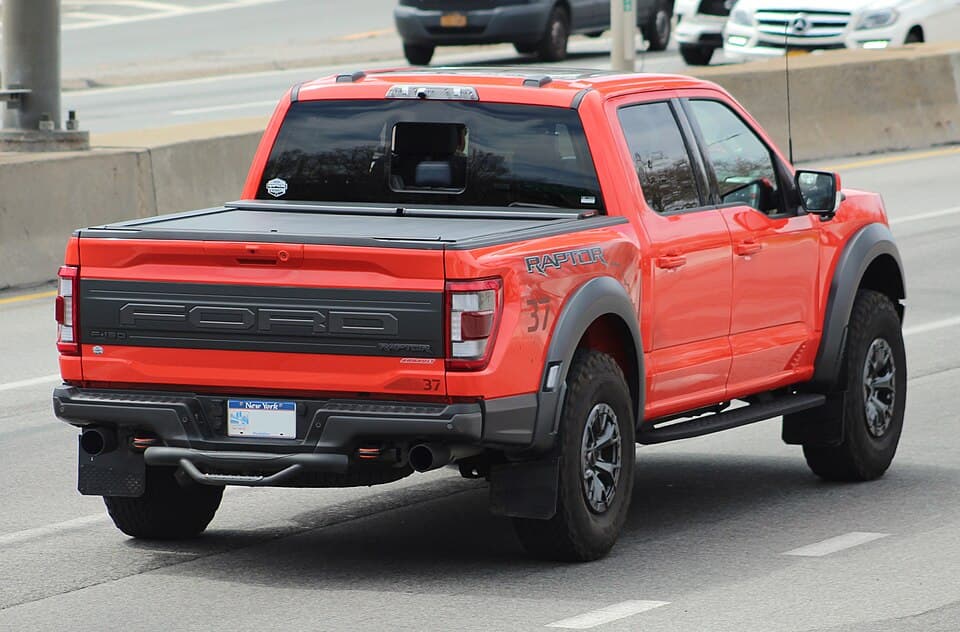
Fox's Live Valve system on the Gen 3 Raptor (2021+) reads the road and adjusts damping electronically many times per second, instead of relying on a fixed spring and valving curve like a passive shock. That is the whole pitch, and it is why the aftermarket answer for this truck is not "just bolt on Kings" the way it was on a Gen 2. Delete the electronics and you gain nothing on washboard and give up real capability, so for most owners the right upgrade path keeps Live Valve and builds around it.
Here is how the system actually works, what breaks on it, and the three honest paths forward: keep it, augment it, or delete it and accept what that costs you.
How Live Valve actually works
Every corner runs a Fox 3.1 Live Valve shock with an electronically controlled valve in the shock body, plus an accelerometer that measures wheel and body motion. A control module reads that data continuously and commands the valve to open or close, changing compression and rebound damping in near real time. Ford and Fox have not published an exact sample rate we can point to, so we will not print one here, but the practical result is a truck that stiffens up under hard inputs faster than you can consciously register the hit.
The system runs a different damping map for each drive mode. Normal is soft-ish for ride comfort. Sport firms up the front and rear to control body roll. Baja, the mode most Raptor owners actually bought the truck for, loosens compression damping to let the shock move quickly over whoops and chatter bumps, then adds rebound control so the truck does not pack down and skip across successive hits. That mode-to-map relationship is the entire reason Live Valve exists: a passive shock is one compromise curve for every condition, and Live Valve is several curves picked automatically based on what the accelerometers are seeing.
2021-2023 Gen 3 F-150 Raptors run a single-valve system, one electronically controlled valve per shock, adjusting compression and rebound together off the same command. 2024 and newer Gen 3 trucks run Dual Live Valve, which controls compression and rebound independently in each shock. That is a meaningful jump, not a marketing refresh: independent control lets the system stay soft on compression for small terrain while still controlling rebound so the truck does not float, something the single-valve system has to compromise on. If you are cross-shopping model years, the 2024 Ford Raptor year page covers what changed on that update in more detail.
The Raptor R deserves its own note here. It shares the Gen 3 chassis and is built on the same production timeline as the 2023-and-later trucks, but we are not going to state which exact Live Valve hardware revision ships on which Raptor R model year, because that is a build-sheet detail Ford has not published in a form we can point to and it may have changed across the R's run. If the Live Valve generation on your specific Raptor R matters to a purchase decision, confirm it with the selling dealer against the VIN rather than trusting a spec sheet from a general Raptor page. The Raptor R page covers the rest of what makes that truck different, starting with the supercharged 5.2L.
What actually fails on Live Valve, and what it costs
Three failure modes account for most of what shows up at dealers and independent shops.
Shock body leaks. Like any coilover, a Fox 3.1 Live Valve shock can weep or leak oil past the shaft seal, most commonly on trucks that see real off-road use and eat rock and sand into the seal area. A leaking shock loses damping control entirely and the truck will ride noticeably worse and often trip a fault code. Replacement is the fix. There is no rebuild-in-the-driveway path for these because of the internal valve and wiring, so budget for full shock cost plus labor.
Sensor and harness faults. The accelerometer and its wiring harness live in a wheel-well environment that sees water, mud, and vibration for years. A corroded connector or a chafed harness wire will throw a code and can put the system into a default, non-adaptive damping mode as a safety fallback, meaning the truck rides like a cheaper passive shock until it is fixed. This is the failure mode shops most often misdiagnose, because the symptom (harsh or floaty ride, warning light) looks identical to a failing shock, and a tech who does not pull the actual fault code will sometimes quote a full shock replacement when the real fix is a connector or a section of harness.
One-corner replacement at dealer pricing. If a shock itself is bad, Ford dealers price these as an assembly, not a rebuildable unit. Single-corner replacement, parts and labor, commonly runs well into four figures as an estimate, and it swings hard by corner (front and rear shocks are different parts), by trim, and by region, so get a written quote against your actual VIN rather than trusting a number from a forum, including this one.
What Ford's warranty covers here
Live Valve shocks are covered under Ford's bumper-to-bumper warranty for the term that applies to your build. Confirm the exact mileage and year cutoff with your selling dealer, since coverage terms have shifted across Gen 3 model years. Once that clock runs out, Live Valve repairs fall to the powertrain warranty only if the failure is tied to a powertrain component, which a shock and its sensor generally are not, so most Live Valve repairs outside the bumper-to-bumper window are out of pocket unless Ford has an open service action covering a specific fault on your build. If you are shopping a used Gen 3 near the edge of its warranty window, run the VIN with your dealer before you assume anything is still covered, and see the Gen 3 buying guide for the warranty math on specific model years.
Keep it, augment it, or delete it
Keep it: the right call for most owners
For a Gen 3 that splits time between commuting, towing, and weekend trail or dune runs, the factory Live Valve system outperforms a passive coilover swap on mixed use. A passive shock, even a good one, is one damping curve. Live Valve is choosing the right curve automatically based on what the truck is doing right now. An owner who fights a fault light occasionally is still, in most cases, better off diagnosing and fixing that fault than deleting the whole system.
Augment it: bigger tires, bump stops, arms
If the plan is 35s or 37s and more aggressive trail use without full desert-speed running, you can support the stock Live Valve shocks rather than replace them. A Foutz rear bump stop kit controls harsh bottom-outs under heavier loads without touching the electronics. Camburg Race Spec uniball upper control arms buy back suspension travel and correct geometry after a leveling kit or bigger tire, again without deleting Live Valve. This is the path most Gen 3 builds should take: bigger tires, better arms, keep the factory dampers. If you are still deciding tire size, 35s vs 37s on a Raptor walks through the tradeoff in more depth, and do you need a tune after 37s covers the drivetrain side of that same decision.
Delete it: passive coilovers, and what you actually lose
Full desert-speed builds, the kind planning repeat runs at Glamis or Johnson Valley at real speed, sometimes convert to passive long-travel coilovers: a King 2.5 remote reservoir coilover kit, Fox 3.0 internal bypass shocks, or an ICON 2.5 VS coilover kit up front, often paired with a King 3.0 bypass shock in the rear. Going further into long-travel territory means the Geiser progressive-rate front subframe cradle kit, a front subframe and long-travel cradle that changes the suspension geometry and mounting points, not a spring kit, meant to gain travel beyond what the stock crossmember allows.
Be honest with yourself about what that conversion costs beyond parts. Deleting Live Valve means disconnecting or bypassing the accelerometers and the control module, which will throw fault codes and warning lights on the dash unless the harness is properly terminated or a shop-specific workaround is installed. Some shops handle this cleanly, others leave a truck with a permanent suspension warning light. Ask specifically how the shop plans to deal with the wiring before you sign off on the job, not after, and get that answer in writing on the estimate. Labor for a full coilover conversion with alignment and setup is a multi-hour job at minimum, and it grows substantially if the Geiser cradle is part of the build, so ask for an hours estimate specific to your parts list rather than assuming a flat number. Parts alone for a serious long-travel front-and-rear setup can run well past what a comparable Gen 2 build costs, since you are buying coilovers plus bypass shocks plus arms and, in some builds, a subframe kit. Get an itemized quote before you commit rather than pricing this off a single number anyone gives you, including us.
How this compares to Gen 2
None of this dilemma exists on a Gen 2 Raptor (2017-2020), which ran passive Fox 3.0 shocks from the factory with no electronics to lose. That is exactly why the Gen 2 aftermarket is a straightforward buy-the-best-passive-shock-you-can-afford conversation. Our King vs Fox vs ICON Gen 2 whoops test ranks the three main passive options back to back, and it is the right reference if you are cross-shopping a Gen 2 against a Gen 3 and trying to decide whether the newer truck's electronics are worth the money. If you are pricing the whole tire-and-suspension job rather than just shocks, what it costs to put 37s on a Gen 2 is a useful parallel budget, though a comparable Gen 3 job typically runs higher once the electronics are part of the conversation.
The short version
- 2021-2023 Gen 3 runs single-valve Live Valve, 2024+ runs Dual Live Valve with independent compression and rebound control. Confirm the Raptor R's specific hardware against your VIN rather than assuming it matches a given model year of the standard Gen 3.
- Shock leaks and sensor or harness faults are the two real failure modes. A fault code that looks like a bad shock is sometimes a connector or wiring problem, not a full shock replacement, so insist on the actual fault code before approving a corner swap.
- For mixed daily and trail use, the factory system beats a passive swap. Add bump stops and arms before you consider replacing the dampers themselves.
- Deleting Live Valve for a passive long-travel setup is a legitimate build for dedicated desert running, but get an itemized parts-and-labor quote and a straight answer from the shop on how they handle the fault codes before you commit.
Owner questions
- What's the difference between the Live Valve system on 2021-2023 Gen 3 Raptors versus 2024 and newer models?
- 2021-2023 Gen 3 F-150 Raptors run a single-valve system, one electronically controlled valve per shock adjusting compression and rebound together off the same command. 2024 and newer trucks run Dual Live Valve, controlling compression and rebound independently in each shock, letting the system stay soft on compression while still controlling rebound so the truck doesn't float.
- How much does it cost to replace one Live Valve shock at a Ford dealer?
- Ford dealers price Live Valve shocks as an assembly, not a rebuildable unit. Single-corner replacement, parts and labor, commonly runs well into four figures as an estimate, and it swings hard by corner since front and rear shocks are different parts, plus by trim and region—so get a written quote against your actual VIN.
- What actually breaks on the Gen 3 Raptor's Live Valve suspension?
- Three failure modes account for most issues: shock body leaks past the shaft seal (common on trucks eating rock and sand off-road), sensor and harness faults in the wheel-well that can trigger a default non-adaptive damping mode, and one-corner replacement priced as a full assembly. Harness faults are the failure mode shops most often misdiagnose as a bad shock.
- Is it worth deleting Live Valve for passive coilovers on a Ford Raptor?
- For most owners, no—the factory Live Valve system outperforms a passive swap for mixed commuting, towing, and trail use. Full desert-speed builds running repeat trips to Glamis or Johnson Valley sometimes convert to passive setups like a King 2.5 remote reservoir coilover kit, Fox 3.0 internal bypass shocks, or an ICON 2.5 VS coilover kit paired with a King 3.0 bypass shock rear.
- What suspension upgrades can I add for 35s or 37s without deleting Live Valve?
- You can support the stock Live Valve shocks rather than replace them: a Foutz rear bump stop kit controls harsh bottom-outs under heavier loads, and Camburg Race Spec uniball upper control arms buy back suspension travel and correct geometry after a leveling kit or bigger tires. Neither requires touching the electronics, making this the recommended path for most Gen 3 builds.
Deal alert
Shopping for one? Get new listings first
We sweep US dealer inventory and send you new Raptors matching your search — real listings, real asking prices, no spam.