Running St. Anthony Sand Dunes in a Raptor: What to Know Before You Go
St. Anthony is Idaho's 10,000-acre answer to Glamis, with taller hills than you expect, cooler summers than the Southwest, and a fraction of the crowd. Here is the season, the access, and how the dunes ride in a full-size truck.
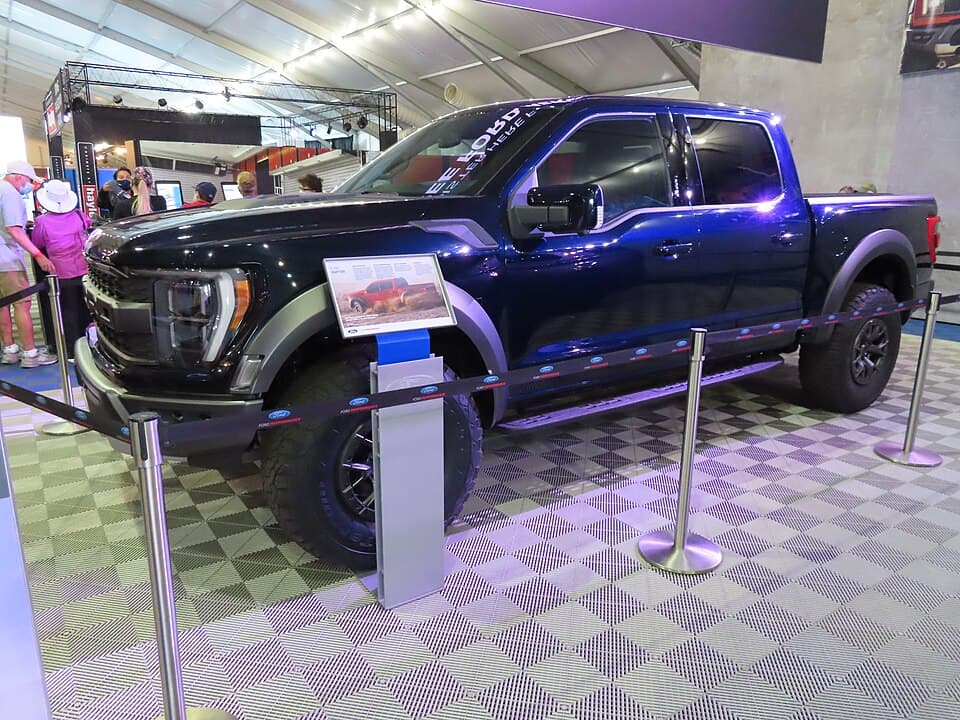
St. Anthony Sand Dunes in eastern Idaho run summer, not spring and fall like Glamis and Ocotillo Wells, and that alone is the reason to know about the place. Roughly 10,600 acres of BLM-managed white quartz sand near the town of St. Anthony, Idaho, ride bigger than the acreage suggests, cost nothing to enter, and see a fraction of the Memorial Day and Labor Day traffic that turns Glamis into a parking lot. A stock Raptor, any generation, handles it fine. Here is what actually changes at altitude and latitude compared to the Southwest dune fields you already know.
Why the season is backwards from Glamis and Ocotillo Wells
Glamis and Ocotillo Wells are winter and shoulder-season destinations because Imperial and Anza-Borrego summers hit 110-120 degrees on the sand. St. Anthony sits at roughly 5,000 feet in eastern Idaho, and the dunes are busiest from Memorial Day through Labor Day, exactly when the Southwest fields empty out. Daytime highs in July and August typically run in the 80s, sometimes touching 90, with cool nights that make camping at Egin Lakes comfortable instead of miserable.
That inversion matters for two practical reasons. First, if you already burned your spring trip on Glamis or Silver Lake, St. Anthony gives you a second dune trip in the same year instead of waiting out a full off-season. Second, summer sand at altitude behaves differently under a heavy truck than desert-floor sand at sea level. Thinner air means slightly less naturally aspirated power and a turbocharged EcoBoost working a little harder to make the same boost, though owners running the 3.5L in Gen 2 and Gen 3 trucks generally do not report it as a real limitation on the dunes themselves.
Access, staging, and the flag rule
Egin Lakes is the main access and camping point for the dune field, with staging areas nearby where people air down, unload trailers, and sort gear before dropping onto the sand. There is no day-use fee to ride here, which is a real difference from fee-based OHV parks, but there is one hard rule: a whip flag is required on the open dunes. The flag is not a suggestion. Line of sight over a dune crest is close to zero until the vehicle coming the other way is already committed, and the flag is what gives both trucks a half-second of warning. Buy a tall one and mount it where it will not snap off in brush on the drive in.
BLM manages the area and portions close seasonally to protect wintering wildlife, mule deer in particular, on a schedule that has moved in past years. Check the current BLM closure dates for the specific season you are planning before you tow four hours to find a gate. This is not a place where "it was open last October" is a safe assumption twelve months later.
How a full-size Raptor actually rides the dunes
The dunes at St. Anthony run bigger than most first-timers expect, with the tallest reported in the hundreds of feet, and Choke Cherry Hill is the signature climb most riders aim for on a first trip. A stock Raptor is genuinely capable here. The site's own trail record rates St. Anthony as moderate difficulty and stock-capable, which matches what we have seen: the factory suspension and the 35-inch all-terrains most Gen 2 and Gen 3 trucks wear from the factory are enough truck for the open dune field if you ride within your sightline.
Air pressure is the first adjustment, and it is not optional. Drop to 15-18 psi before you leave the staging area, not after you get stuck once. Lower pressure spreads the contact patch, which is what keeps a 6,000-plus-pound truck from digging a trench in fine sand instead of floating over it. This is the same doctrine as any big dune field: air down before you need to, not after. If you have not run dunes in a full-size truck before, read the Glamis guide first, since the momentum and air-down principles carry over directly even though the geography does not.
The technique that actually matters at St. Anthony, more than at flatter fields, is crest management. The fine white quartz sand here hides steep drop-offs on the back side of dunes that look identical to the approach side. Crest slow on anything you have not ridden before, and be ready to back off the throttle the instant you see over the top, because the far side can drop away sharply enough to put a truck into a nose-down landing if you carry speed into it blind. This is the single most common way people damage trucks or each other out here, and it has nothing to do with horsepower or lift kits. It is a sightline problem, and the flag rule exists because of it.
Momentum still matters on the climbs. Keep the truck moving through soft sections rather than mashing the throttle after you have already bogged down, the same rule that applies at Sand Hollow or Little Sahara. A stock Gen 2 or Gen 3 Raptor with the factory Fox or Fox Live Valve shocks soaks up whoops and small chop well enough that most owners never feel the need for aftermarket dampers just for dune duty. If you are running 37s and a heavier front bumper setup, tire pressure becomes even more important to compensate for the added unsprung weight, and it is worth checking your specific 35-vs-37 tradeoffs before you assume bigger tires help you float better here.
What kind of Raptor you actually need
You do not need a Raptor R, a built Gen 3, or 37s to ride St. Anthony well. A clean, mechanically sound Gen 2 (2017-2020) in the $35,000-46,000 range based on current used-market averages will handle this field the way it left the factory. If you are shopping specifically for dune duty and cross-shopping model years, the best Raptor year to buy guide covers which years carry the fewest known issues into a used purchase. Owners running a Bronco Raptor or a Ranger Raptor also do fine here; the terrain rewards momentum and tire pressure discipline more than raw size.
The short version
St. Anthony Sand Dunes is a free, BLM-managed 10,600-acre dune field near Egin Lakes in eastern Idaho that runs on the opposite season from Glamis, peak summer instead of winter, and sees far less traffic. A stock Raptor handles it fine at 15-18 psi with the standard air-down and momentum approach, but the fine white sand hides blind drop-offs on the back side of every crest, so slow down the first time over any dune you have not seen and never ride without a whip flag. Confirm the current wildlife closure dates before you go, since portions shut seasonally and the schedule has changed year to year.
Owner questions
- What tire pressure should I run in a Raptor at St. Anthony Sand Dunes?
- Drop to 15-18 psi before leaving the staging area, not after getting stuck. Lower pressure spreads the contact patch, which keeps a 6,000-plus-pound truck from digging a trench in the fine sand instead of floating over it. This is the same air-down doctrine used at any big dune field.
- When is the best time to ride St. Anthony versus Glamis?
- St. Anthony is busiest from Memorial Day through Labor Day, the opposite of Glamis and Ocotillo Wells, which are winter and shoulder-season spots. Sitting at roughly 5,000 feet, St. Anthony sees daytime highs in the 80s (sometimes touching 90) in July and August, with cool nights that make camping at Egin Lakes comfortable.
- How much should I expect to pay for a Raptor that can handle St. Anthony's dunes?
- You don't need a Raptor R or 37s. A clean, mechanically sound Gen 2 (2017-2020) in the $35,000-46,000 range based on current used-market averages will handle this field the way it left the factory, since the site rates St. Anthony as moderate difficulty and stock-capable.
- Is a whip flag actually required at St. Anthony Sand Dunes?
- Yes, it's a hard rule, not a suggestion. Line of sight over a dune crest is close to zero until an oncoming truck is already committed, and the flag gives both vehicles a half-second of warning. Buy a tall one and mount it where it won't snap off in brush on the drive in.
- How big is the St. Anthony dune field and what does it cost to ride?
- St. Anthony is roughly 10,600 acres of BLM-managed white quartz sand near St. Anthony, Idaho, and there is no day-use fee to enter, unlike fee-based OHV parks. The dunes ride bigger than the acreage suggests, with the tallest reported in the hundreds of feet, and Choke Cherry Hill is the signature first-trip climb.
Deal alert
Shopping for one? Get new listings first
We sweep US dealer inventory and send you new Raptors matching your search — real listings, real asking prices, no spam.