Ford Raptor CPO: Is Certified Pre-Owned Worth the Premium?
A CPO Raptor typically costs more than a comparable private-party truck, but it comes with an extended powertrain warranty and a multi-point inspection. We break down what that premium actually buys and when it's smarter to buy used and self-insure instead.
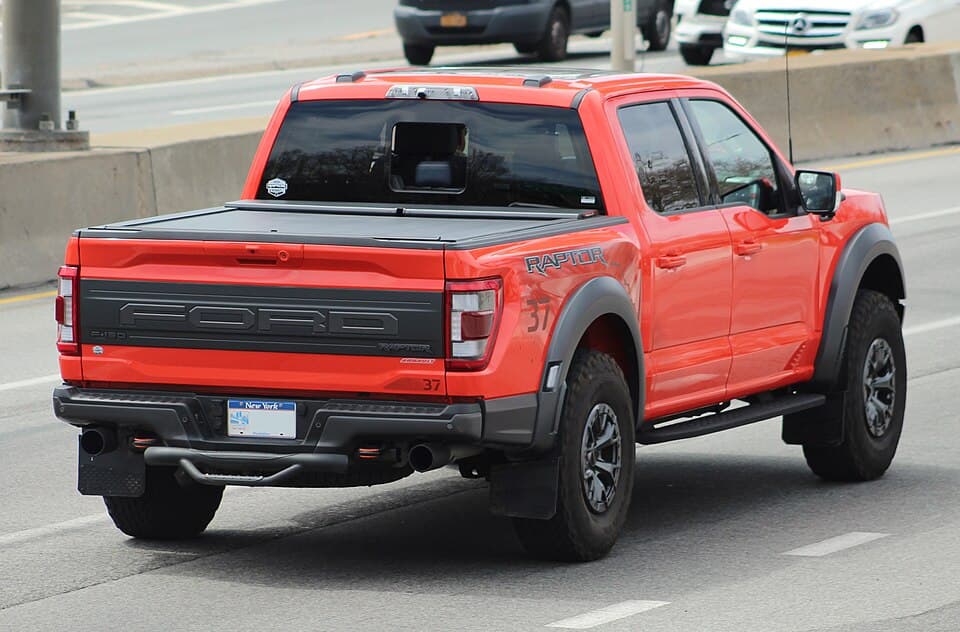
A CPO Raptor usually runs a few thousand dollars more than a comparable private-party truck at the same mileage, and that premium buys you a dealer multi-point inspection plus extended powertrain coverage beyond the original warranty window. Whether that is worth it depends entirely on how much you value not having to inspect the truck yourself, and on how good you already are at spotting the problems a CPO checklist does not catch. For a lot of buyers, especially anyone comfortable doing their own pre-purchase inspection or paying an independent shop $150-200 for one, buying a sharp private-party truck and self-insuring the difference comes out ahead.
Here is the honest framework for deciding which one you are.
How Ford's CPO program actually works
Ford Certified Pre-Owned Raptors go through a dealer inspection (Ford's program has historically run a 172-point checklist, though the exact point count and what is on it has changed over the years, so do not assume today's list matches a program description from three years ago) and come with an extended powertrain warranty layered on top of whatever is left of the original factory coverage.
The two numbers that actually matter are the mileage cap for eligibility and the length of the extended coverage, and both of those change based on Ford's current program terms, which vary by region and get revised periodically. Do not trust a number you read in a forum post or an old article, including this one, as current. Call the dealer, get the CPO contract terms in writing for the specific truck you are looking at, and confirm what is covered, what the mileage limit is, and what the deductible looks like before you factor the premium into your decision.
What does not change is the structure: CPO coverage is Ford-backed, bumper-to-bumper on the powertrain (engine, transmission, drive axle, typically), and transferable if you sell before it expires, which is worth something at resale.
CPO premium versus an aftermarket extended warranty
A CPO Raptor is not your only path to extended coverage. You can buy a clean used truck private-party, self-inspect or pay for a PPI (pre-purchase inspection), and then separately buy a third-party extended warranty if you want the peace of mind without the CPO sticker price.
The tradeoff is coverage quality and claims friction. Ford-backed CPO coverage is adjudicated through the dealer network with less argument about what counts as a covered failure. Aftermarket warranty companies vary enormously in how they handle claims, what they exclude, and how fast they pay out, and a cheap policy can turn into a fight when you actually need it. We cover this tradeoff in more detail in our breakdown of whether a Raptor extended warranty is worth it, including what these plans typically exclude and where owners get burned on claim denials. Read that before you buy either kind of coverage.
What the premium actually costs
Based on current listings, CPO Raptors typically carry a premium in the rough range of $2,000-5,000 over a comparable non-CPO truck at the same mileage and trim, though this swings hard by region, by how many CPO-eligible trucks a given dealer has in stock, and by how much coverage is actually left to transfer. A truck with 60,000 miles on a 100,000-mile CPO program has more warranty life left than one at 85,000 miles, and dealers price that difference inconsistently.
This is not a number to take on faith. Pull up current listings for the specific generation and model year you want, side by side, CPO and non-CPO, and do the math yourself. Our Gen 2 pricing and buying guide and Gen 3 buying guide both walk through what trucks are actually trading for by model year, which is a better anchor than any flat premium figure.
What a CPO inspection catches, and what it does not
A dealer multi-point inspection is built to catch the stuff that is cheap to catch and easy to standardize across every make Ford sells: fluid levels and condition, brake pad thickness, tire tread depth, battery health, basic electrical function, obvious leaks, and whether the truck throws any stored codes. That is a real service. It will catch a truck that is overdue for a transmission fluid change or running on worn front pads.
What it reliably misses is the stuff that only shows up under load, on a cold start, or after a long drive, which is exactly where Raptor-specific problems live:
- Cam phaser rattle on the 3.5L EcoBoost (common on Gen 2 trucks, generally a cold-start noise that a five-minute dealer inspection during business hours will not reproduce). See our cam phaser rattle cost breakdown for what this actually runs to fix.
- Fox shock leaks and fade that only show up after sustained whoops or washboard, not in a parking lot. Covered in our Fox shock leak and failure guide.
- 10R80 harsh shifts and torque converter shudder, which can be intermittent and easy to miss on a short test drive. Our 10R80 shift and shudder article covers what actually fixes it.
- IWE (integrated wheel end) grinding, a vacuum-actuated hub noise that often only appears in 2WD at certain speeds. Details in why your IWE is grinding.
None of this means CPO inspections are worthless. It means a CPO sticker is not a substitute for driving the truck cold, loading it onto rough pavement, and listening for the specific noises these trucks are known for. A "certified" truck can still have a cam phaser about to rattle or a shock about to weep, because those failures are progressive and don't always trip a code or show up in a 20-minute once-over.
Does CPO coverage even reach the parts that actually break?
This is the real question, and it depends on which generation you are shopping.
On a Gen 2 (2017-2020) 3.5L EcoBoost, the components owners actually end up paying for out of pocket, phasers, the 10R80 transmission, EGR coolers, tend to fall under the engine and transmission buckets that CPO powertrain coverage is built to address, assuming the failure happens within the mileage and time window of the extended plan. That is a real point in favor of CPO on this generation, because the parts most likely to bite are also the parts covered.
On a Gen 3 (2021-present) 3.5L EcoBoost, Ford made running changes to the phaser design and the problem has not been as prevalent, but these trucks are also newer with less mileage accumulated across the fleet, so the sample size of reported failures is thinner. Don't assume Gen 3 is immune, just less documented.
On a Bronco Raptor or Ranger Raptor (2.3L/3.0L EcoBoost), the common complaints skew toward chassis and suspension, front-end clunks, ball joints, rather than the powertrain. CPO's extended powertrain warranty is less relevant here than a careful suspension inspection would be. See our Bronco Raptor front-end clunk guide for what to check.
None of the CPO plans cover suspension wear items, tires, or cosmetic issues, and shocks are often treated as a wear item with limited or no coverage. Confirm this line item specifically before assuming a leaking Fox shock on a CPO truck is Ford's problem to fix.
The decision framework
Pay the CPO premium if:
- You're buying a Gen 2 EcoBoost Raptor and want the transmission and engine covered without gambling on an aftermarket plan's claims process.
- You don't have a trusted independent shop to do a real pre-purchase inspection, and you're not comfortable evaluating cold-start noises or shock behavior yourself.
- You plan to keep the truck long enough that the extended mileage window matters, or you want the coverage to be transferable at resale.
Skip CPO and self-insure if:
- You can do your own inspection, or you know a shop that will put the truck on a lift and drive it cold before you buy.
- You're comfortable budgeting for a possible repair out of pocket and investing the premium difference instead. On a Gen 2, that premium roughly covers a phaser job if you ever need one; on other generations it may just sit as a buffer.
- You're shopping a generation or engine where the common failures aren't powertrain-covered anyway, like Bronco Raptor suspension clunks or Fox shock wear across any generation.
The short version
- CPO buys you a Ford-backed extended powertrain warranty and a dealer inspection, typically for a few thousand dollars over a comparable non-CPO truck, but confirm current mileage and coverage terms directly with the dealer before you commit to a number.
- The inspection catches fluids and wear items, not cam phaser rattle, shock leaks, or intermittent transmission shudder, so drive the truck cold regardless of CPO status.
- CPO makes the most sense on a Gen 2 EcoBoost where the known failure points line up with what powertrain coverage actually pays for. It matters less on trucks whose problems live in the suspension.
- If you can inspect a truck properly yourself or pay for an independent PPI, a clean private-party Raptor plus the premium you saved is often the better bet.
Deal alert
Shopping for one? Get new listings first
We sweep US dealer inventory and send you new Raptors matching your search — real listings, real asking prices, no spam.