Ford Raptor: Lease or Buy? What Actually Makes Sense
Dealer markups, fast depreciation, and modification plans all change the lease-vs-buy math on a Raptor differently than on an ordinary F-150. This walks through when leasing actually pencils out and when it clearly doesn't.
Gear in this article
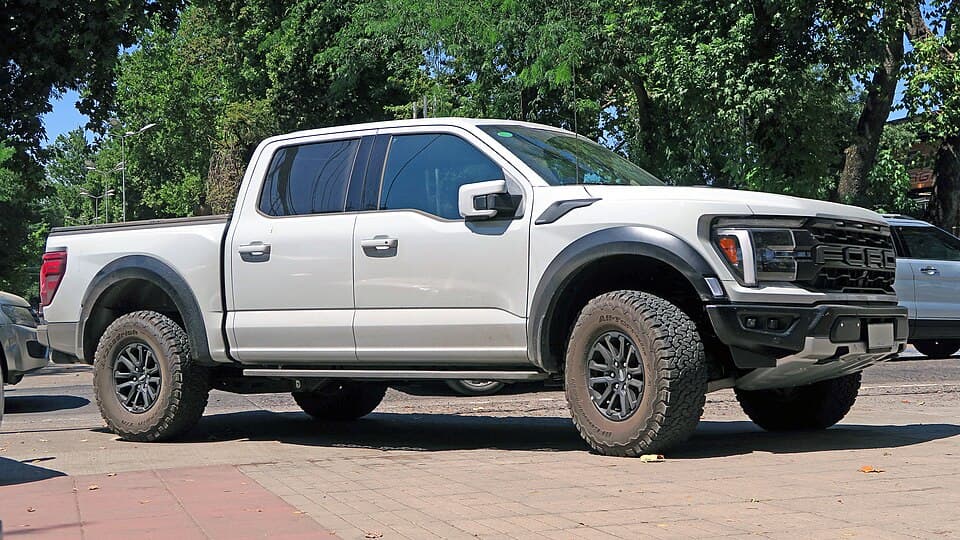
The short answer: buy if you plan to modify the truck, keep it past four years, or run it off-road enough to blow through a mileage cap. Lease only makes sense if you want a new Raptor every 2-3 years, will keep it stock, and can find a lease deal that isn't inflated by dealer markup. On a Raptor specifically, both the depreciation curve and the modification restrictions push harder against leasing than they do on a regular F-150.
That's the whole answer. Here's why it plays out that way.
Why the Raptor's depreciation curve matters for lease math
A lease payment is really just a bet the bank makes on residual value: what the truck will be worth at lease-end versus what it sold for new. The better a truck holds value, the lower the money factor (the lease equivalent of an interest rate) and the higher the residual percentage, which means a lower payment.
The Raptor generally holds value better than a comparable F-150 Lariat or Platinum, which is good news if you're buying, because you eat less depreciation. But it can cut either way on a lease. If Ford Credit sets the residual conservatively (assuming a lot of value loss) and the truck actually holds better than that in the real world, you overpaid on the lease relative to what the truck ends up worth. If the residual is set aggressively (assuming the Raptor holds unusually well) and then a new generation drops, or a supply glut hits during your lease term, you're fine, because you're handing the truck back either way. The depreciation curve differs by generation too: a Gen 2 with the cam phaser issues and 10R80 transmission complaints on its record has different resale behavior than a clean Gen 3. The full depreciation breakdown by generation is the place to check the actual curve before you assume either direction.
The practical takeaway: don't guess at residual value. Ask the dealer what residual percentage and money factor they're actually quoting on the specific trim and mileage package you want, because those numbers move by region, by incentive period, and by how badly Ford wants to move that particular configuration.
Dealer markup and why it wrecks lease math specifically
Ford Raptor trims, especially the Raptor R and any Gen 3 SuperCrew with the desirable options, have a well-documented history of dealer markup (ADM, or "additional dealer markup") during high-demand periods. This is not universal, it's not currently guaranteed to be happening at your dealer, and it varies hard by region, model year, and how many trucks are sitting on that particular lot. Some dealers sell at MSRP or below all year. Others add $5,000-15,000 on a hot configuration the week it lands. Treat any specific markup number you hear on a forum as local and temporary, not a national fact.
Markup is worse for a lease than a purchase for one structural reason: the markup gets baked into the capitalized cost, and you're financing (or leasing) the inflated number even though the truck's residual value is calculated off something closer to true market value. On a purchase, an inflated price hurts you once, at the sale. On a lease, it hurts you every month, because you're paying interest-equivalent charges on money that didn't need to be borrowed. If a dealer won't move off a markup on a lease deal, walk. There is almost always another Ford store within a reasonable drive selling at MSRP, and on a lease specifically, markup damage compounds in a way it doesn't on a cash purchase.
Lease versus finance: what actually changes over the term
Nobody should be quoting you a specific payment, money factor, or APR from an article, because those numbers are set by Ford Credit and change by month, region, and credit tier. What's stable is the shape of the tradeoff:
| Factor | Leasing | Financing 60-72 months |
|---|---|---|
| Monthly payment | Lower, you're paying for depreciation only | Higher, you're paying off the whole vehicle |
| Total cost if kept 3 years | Lower cash outlay, no equity at the end | Higher outlay, but you own an asset |
| Total cost if kept 6+ years | Loses badly, you'd lease twice or buy out | Wins, payment stops but truck keeps running |
| Mileage risk | Real cost if you exceed the cap | None |
| Modification risk | Restricted, can void coverage | None |
| Mid-term selling flexibility | None, you don't own it | Full, sell or trade anytime |
The crossover point where financing beats leasing is almost always somewhere around year four or five, once the loan is paid down and you're driving for free (aside from maintenance) while a lease holder is either re-leasing or buying out a truck at a residual that may or may not reflect real market value. If you know you're a three-year truck person, that crossover never arrives for you and leasing can genuinely win. Check the current Raptor pricing across trims and the real annual cost-of-ownership numbers before running your own math, since insurance, tires, and fuel don't change based on how you financed the truck, and they're a bigger share of total cost than most buyers assume going in.
Mileage caps and why they don't fit how Raptors get driven
Standard leases run 10,000-12,000 miles a year, with overage charges that typically land somewhere in the fifteen-to-thirty-cents-per-mile range, though the exact number is set lender by lender and you should get it in writing before signing. That cap is written for a commuter truck. It is not written for an owner running the Ford Raptor towing capacity numbers on weekend hauls, driving to Sand Hollow or Johnson Valley every other month, or just daily-driving a truck that also doubles as the desert rig.
If you tow a trailer regularly, or your annual mileage runs past 15,000 for any reason, run the math on a higher-mileage lease tier before you sign, because the sticker payment on a low-mileage lease is misleading once you add the overage bill at turn-in. A lot of Raptor buyers who lease end up eating a four-figure mileage penalty at the end of the term without ever realizing they were tracking toward it.
Modifications and why leasing basically rules them out
This is the part that trips up the exact buyer this truck attracts. Most lease contracts require the vehicle to be returned in factory condition, and many explicitly restrict or void coverage on wheels, suspension, and drivetrain modifications. Read your specific lease agreement, because terms vary by lender, but the general pattern holds across Ford Credit leases: non-stock parts complicate or eliminate your ability to return the truck cleanly at lease-end, and some agreements let the lender charge you to revert modifications before accepting the return.
That kills leasing for a real chunk of the Raptor audience. If your plan includes any of the following, buying is close to mandatory:
- A suspension swap, whether that's King 3.0 coilovers, Fox 3.0 bypass shocks, or a Deaver add-a-leaf pack out back. The lift kit guide covers what's actually worth doing and what it costs.
- Going to 37s, whether you're running BFGoodrich KO2s or something more aggressive. The 35s versus 37s tradeoff breakdown walks through why that tire size alone changes your gearing, your speedometer, and possibly your warranty conversation.
- A winch bumper, rock sliders, skid plates, or anything else that shows up on a build sheet rather than a spec sheet.
If your plan is a stock truck for 2-3 years and then a trade-in, none of this applies to you and leasing stays on the table.
Verdict by buyer type
You want a new Raptor every 2-3 years and won't touch it. Leasing can genuinely work here, provided you shop multiple dealers to avoid markup, get the mileage tier that actually matches your driving, and read the return condition clause before signing. Compare the Gen 2 versus Gen 3 differences if you're still deciding which platform to lease, since Gen 3's live valve suspension and updated drivetrain change the ownership experience enough to matter even for someone who's never going to modify the truck.
You're building a long-term off-road rig. Buy, financed or cash, full stop. A leased Raptor with 37s and a winch bumper is a truck you don't actually own, built with money you're going to owe back to modify it out of, on a schedule set by someone else's mileage cap. Price out the full cost of putting 37s on a Gen 2 or budget for a King versus Fox versus ICON shock comparison against a truck you can actually keep as long as the build takes to finish, which for most builders is longer than any lease term Ford Credit offers.
The short version
- Lease only if you're stock, disciplined about mileage, and turning the truck over every 2-3 years.
- Buy if you plan to modify it, tow heavily, run high mileage, or keep it past the four-to-five-year point where financing overtakes leasing on total cost.
- Dealer markup hurts a lease more than a purchase because it's baked into the payment every month, not paid once. Shop multiple dealers regardless of which path you pick.
- Get the actual money factor, residual percentage, and mileage tier in writing before comparing numbers. Nobody, including this site, should be quoting you a payment they didn't pull from your specific deal.
Deal alert
Shopping for one? Get new listings first
We sweep US dealer inventory and send you new Raptors matching your search — real listings, real asking prices, no spam.