Gen 1 Raptor: 5.4 vs 6.2, and Which One to Actually Buy
The first Raptors came with two very different V8s, and the cheaper one is cheap for a reason. Here is the honest split before you shop a fifteen-year-old truck.
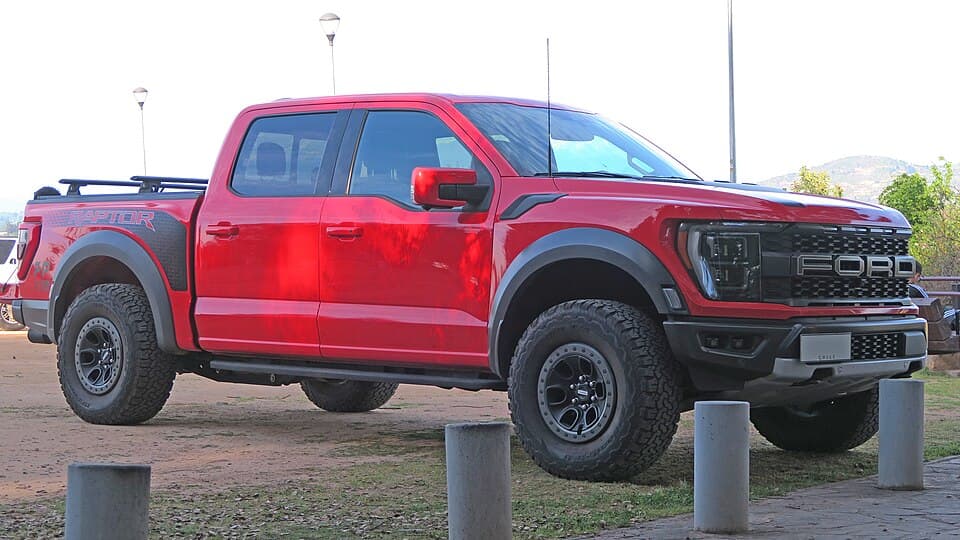
The 2010 Ford SVT Raptor is the only model year where you will find both engines, and it split mid-run: early-build 2010 trucks came with the 5.4L Triton V8, and Ford introduced the 6.2L V8 as an option partway through that same model year before dropping the 5.4L entirely. Every 2011-2014 Raptor, no exceptions, came with the 6.2L only. If you are shopping a 2011 or newer Gen 1, this whole debate is already decided for you. If you are shopping a 2010, you need to check the window sticker or build sheet, because "2010 Raptor" alone does not tell you which engine you are getting.
This matters more than most spec-sheet arguments because the two engines genuinely feel like different trucks. Here is the honest breakdown before you put money down on a truck that is now 12 to 16 years old.
Which engine came in which year
- 2010 (early production): 5.4L 3-valve Triton V8, rated at 320 hp and 390 lb-ft of torque, paired with a 6-speed automatic.
- 2010 (mid-year onward): 6.2L Boss V8 introduced as the available upgrade, rated at 411 hp and 434 lb-ft.
- 2011-2014: 6.2L only. Ford discontinued the 5.4L in the Raptor after that first model year.
There is no separate trim badge that tells you which engine is under the hood at a glance from across a parking lot. You confirm it from the door-jamb build sticker, the VIN decode, or by popping the hood, since intake and coil-pack layout differ enough to tell at a glance once you know what you are looking at. Do not take a seller's word for it on a 2010 truck. Get the VIN and verify before you negotiate. The full walk-around for exactly this kind of verification is in our Gen 1 Raptor buying guide, and the wider context on how these engines fit into Ford's Raptor lineup is covered in our breakdown of every generation's engine.
The performance gap, and why the 5.4 feels overworked
On paper the gap looks modest: 91 hp and 44 lb-ft. In the truck, it is not modest at all.
The SVT Raptor is a roughly 6,000-lb truck riding on long-travel Fox suspension, running big all-terrain tires, with a body that is not aerodynamically doing it any favors. The 5.4L was already an aging design by 2010, it makes its power high in the rev range for a truck this heavy, and the 6-speed transmission has to hunt for gears to keep it in its band. Owners who drove both back to back consistently describe the 5.4L truck as needing to be worked hard just to keep up with modern traffic, let alone tow anything or run whoops at speed.
The 6.2L is the engine most people picture when they think of the Gen 1 Raptor: enough torque low in the rev range that you are not constantly downshifting, a flatter power curve, and a soundtrack that matches the truck's attitude. It is not fast by modern standards, a Raptor R will walk away from it and so will a Gen 3, but it is the engine that makes the Gen 1 feel like the truck it was supposed to be.
Known weak points, engine by engine
5.4L Triton (2010 only)
The infamous spark plug ejection problem that plagued the earlier 3-valve Triton engines mostly hit 2004-2008 trucks; Ford had revised the plug and head design by the time the Raptor launched, so it is less of a live concern here, but it is still worth asking a specialist to check the plugs on inspection if you find one of these trucks. Beyond that, the bigger complaint is not a failure, it is fatigue: towing, sand, or highway grades with a load push this engine and its 6-speed transmission harder than they were designed for, and that shows up as accelerated wear on the transmission and drivetrain over time. There is no published failure-rate data specific to the 5.4L Raptor worth quoting, but the consensus among people who have owned one is that it is the weaker link in every sense.
6.2L Boss (2010-2014)
The 6.2L has its own reputation, mostly centered on exhaust manifold bolts and studs breaking or backing out, which owners describe as a ticking or light knocking noise from the front of the engine that gets dismissed as normal V8 noise until someone pulls the manifold. It is a known annoyance rather than a catastrophic failure, and shops that work on these regularly know to check for it. Some owners also report intake manifold gasket seepage at higher mileage. None of this rises to the level of the phaser or turbo issues that show up on the later EcoBoost trucks, covered in our carbon buildup piece on the EcoBoost, but budget for an exhaust manifold inspection on any 6.2L Raptor with unknown service history, especially past 100,000 miles.
What the price gap actually looks like
Gen 1 pricing moves in bands based on mileage, SuperCab versus SuperCrew body style, and how hard the truck has been used off-road, more than it moves on engine alone. That said, the 6.2L carries a real premium over a 5.4L 2010 in comparable condition, and it is not a small one; as a rough estimate in the current market, expect the gap to run into the low thousands, and it swings hard depending on region and how many 6.2L trucks are locally available to compete against. Call your local market before you assume a number, because a rust-belt truck and a Southwest desert truck are not priced the same way regardless of what is under the hood.
The 5.4L's discount exists for a reason buyers should not ignore: it is a genuinely weaker drivetrain in a heavy truck, it is rarer to find parts specialists for compared to the 6.2L which shares more with other Ford V8 applications, and resale on the 5.4L trucks tends to lag the 6.2L trucks even as both age. If you are buying to keep for years, that gap tends to widen, not close. For a longer view on how Gen 1 values have moved, see our Raptor depreciation breakdown by generation.
Verdict: which one to actually buy
Buy the 6.2L. For nearly every buyer, the extra money up front is worth it: more usable power, a truck that does not feel like it is fighting its own curb weight, an engine with a better parts and service ecosystem in 2026 and beyond, and better resale when you eventually sell it. If you are cross-shopping a Gen 1 against a base Gen 3 or a clean Gen 2, the 6.2L is the version of the Gen 1 that actually competes on the merits people buy a Raptor for in the first place; our best-year buying guide covers that wider comparison.
The 5.4L only makes sense in one scenario: you found a genuinely clean, low-mileage, well-documented 2010 truck at a price low enough that the gap reflects real savings rather than a seller not knowing what they have, and you plan to drive it lightly, without towing, without heavy off-road loads that punish the drivetrain. Treat it as a collector-adjacent purchase of the first-year truck, not as a daily performance buy, and price it accordingly.
The short version
- 2010 is the only Gen 1 model year with both engines; verify which one you are looking at from the VIN or door sticker, not the seller's memory.
- 2011-2014 Raptors are 6.2L only.
- The 6.2L (411 hp/434 lb-ft) is meaningfully stronger than the 5.4L (320 hp/390 lb-ft) in a truck this heavy, and it shows on the road.
- Buy the 6.2L unless you found an exceptionally clean, cheap 2010 5.4L you plan to baby, not tow with, and drive lightly.
Owner questions
- How do I tell if a 2010 Ford Raptor has the 5.4L or 6.2L engine?
- There's no trim badge that reveals it at a glance—2010 was a split model year, with early builds getting the 320-hp 5.4L Triton V8 and mid-year-onward trucks getting the 411-hp 6.2L Boss V8. Check the door-jamb build sticker, decode the VIN, or pop the hood and compare intake and coil-pack layout; don't take a seller's word on it.
- What's the actual power difference between the 5.4L and 6.2L Raptor engines?
- The 5.4L 3-valve Triton V8 makes 320 hp and 390 lb-ft, paired with a 6-speed automatic, while the 6.2L Boss V8 makes 411 hp and 434 lb-ft. On paper that's a 91-hp, 44-lb-ft gap, but in a roughly 6,000-lb truck on Fox suspension and all-terrain tires, the difference feels much larger than the numbers suggest.
- What are the common problems with the 6.2L Boss V8 in Gen 1 Raptors?
- The main issue is exhaust manifold bolts and studs breaking or backing out, which shows up as a ticking or light knocking noise up front that often gets dismissed as normal V8 noise. Some owners also report intake manifold gasket seepage at higher mileage. Budget for an exhaust manifold inspection on any 6.2L with unknown history, especially past 100,000 miles.
- Is the 5.4L Triton spark plug ejection problem a concern in the 2010 Raptor?
- It's less of a live concern—that infamous issue mostly hit 2004-2008 trucks, and Ford had revised the plug and head design by the time the Raptor launched in 2010. It's still worth having a specialist check the plugs on inspection, but the bigger complaint with the 5.4L is drivetrain fatigue from towing, sand, or highway grades pushing the engine and 6-speed transmission harder than designed.
- Should I pay extra for a 6.2L Raptor over a cheaper 5.4L 2010 model?
- Yes, for nearly every buyer—the 6.2L (411 hp/434 lb-ft) carries a real price premium over a comparable 5.4L 2010, roughly in the low thousands depending on region, but it delivers more usable power, better parts availability, and stronger resale. The 5.4L only makes sense as a collector-adjacent buy on an exceptionally clean, cheap, low-mileage truck you'll drive lightly without towing.
Deal alert
Shopping for one? Get new listings first
We sweep US dealer inventory and send you new Raptors matching your search — real listings, real asking prices, no spam.