Ford Raptor 37 Performance Package: Worth the Extra Money?
Ford's factory 37-inch tire package promises more capability out of the box, but it also changes ride, price, and resale in ways buyers don't always expect. Here's who should check the box and who is better off skipping it.
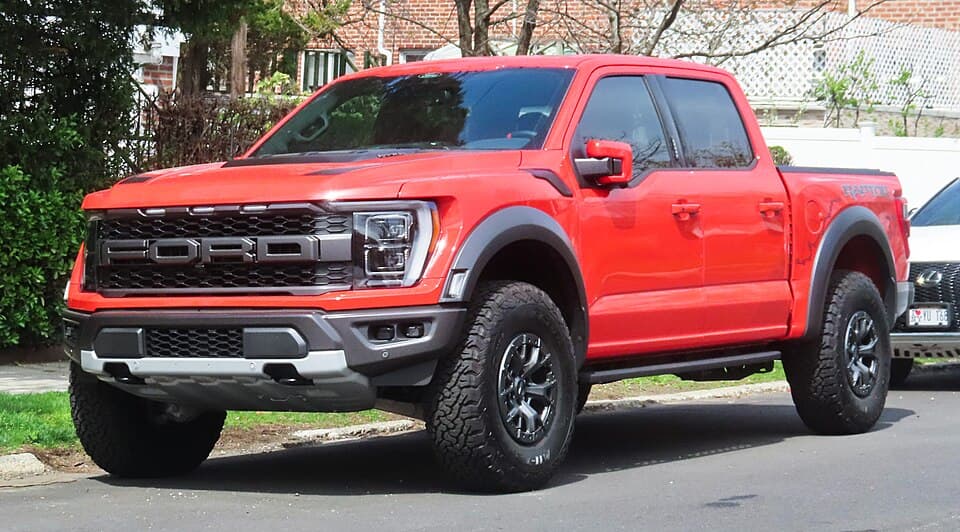
The Ford Raptor 37 Performance Package is worth the money if you actually run the truck off-road on a regular basis, and it is not worth the money if you are buying a Raptor mostly to drive to work with the occasional dirt road thrown in. The package trades daily-driving manners (ride comfort, wind noise, highway tracking, fuel economy) for real off-road capability you would otherwise have to buy and install yourself. Whether that trade is worth it depends entirely on how you use the truck, not on how much you like the look of the tires.
What the package actually includes
The named "37 Performance Package" is a current-generation option, offered on the Gen 3 F-150 Raptor (2021 model year and later). It bundles 37-inch all-terrain tires, a unique wheel design (with a beadlock-capable wheel available as a further step up on some builds), and suspension tuning calibrated around the taller, heavier tire rather than a base-Raptor shock tune left alone. Ford has also packaged it with specific off-road drive modes and, depending on model year, unique styling cues like fender flares or a different front fascia.
Exact contents move around from year to year. Ford has changed which tire brand ships on the package, which wheel sizes are offered, and which trims and cab configurations can even option it. We are not going to hand you a tire brand or a wheel diameter as settled fact here, because it has not stayed settled. Pull the current window sticker or run Ford's build-and-price tool for the exact trim and model year you are looking at before you assume last year's spec, or a spec from a forum post, still applies.
The Gen 2 Raptor (2017-2020) is a separate case. Ford made 37-inch tires available as a factory option late in that generation's run, but it was not sold under the same "37 Performance Package" branding, and the exact contents (whether it included a distinct wheel, a shock retune, or just the tire and gearing) are harder to pin down from a general spec sheet at this point. If you are shopping a used Gen 2 with 37s from the factory, confirm what actually came on that specific truck against its window sticker or a VIN-specific build sheet rather than trusting the tire size alone to tell you the whole story.
What has stayed consistent on the current Gen 3 package: this is not just bigger rubber bolted to a stock truck. Ford adjusts the suspension calibration and, on most builds, the final drive gearing around the tire, which is the actual reason to pay for the factory package instead of just buying 37s for a stock Raptor. For the mechanical difference between running a 35 and a 37 on the same truck, see the site's 35s vs 37s tradeoff breakdown, which covers gearing, speedometer error, and unsprung weight in more depth than we will here.
What it costs versus doing it aftermarket
Ford prices the 37 Performance Package at a real premium over a standard-tire Raptor, and that premium has moved by a meaningful amount between model years and trims. Do not trust a number you saw on a forum from two years ago, and do not trust a specific dollar figure from us either. Get the number off Ford's current build-and-price tool for the exact trim, cab, and model year you are looking at, because this is one of the option prices Ford has actually changed year to year on this truck.
The comparison that matters more than the sticker price is factory package versus aftermarket. If you buy a base Raptor and put 37s on it yourself, you are paying for tires, likely new wheels, a re-gear or at minimum a tune to correct the speedometer, and shock work to keep the ride from getting worse instead of better. The site's own cost breakdown for putting 37s on a Gen 2 Raptor walks through that math in detail. In most cases the factory package on a new truck lands cheaper than the aftermarket path once you account for labor, because Ford is doing the gearing and calibration work at the factory instead of you paying a shop by the hour to redo it in your driveway.
The catch: the factory package only exists at the point of purchase. If you already own a 35-inch Raptor and want to go to 37s later, you are doing the aftermarket job regardless of what Ford charges new buyers for the package.
The daily-driving tradeoff
37s from the factory ride worse than 35s from the factory, on the Gen 3 Raptor and on any Gen 2 Raptor that came with the tire option. The extra unsprung weight at each corner slows the shock's ability to react to small, quick inputs, so you feel more of the pavement seams and expansion joints in the cabin even with Ford's tuning working to compensate for it. Steering effort goes up slightly. Highway wind noise increases because the tire is taller and wider. Fuel economy drops, and it was not good to begin with.
You also give up a little daily usability in ways that are easy to forget until you own the truck: taller tires mean a taller step-in height, a wider turning circle in tight parking, and on some builds a curb weight increase that eats into payload. None of this is a defect. It is the price of the added ground clearance, approach and departure angle, and traction the package buys you.
None of this shows up as a problem if you are actually driving in the terrain the package is built for. Whoops, rock gardens, sand, and washboard all benefit from the taller sidewall and the extra clearance, and that is where the factory tuning earns its keep instead of fighting you. Owners cross-shopping shock upgrades for this kind of use should look at how King, Fox, and ICON perform in the same conditions before assuming the factory setup on the 37 package is the ceiling.
Resale and how dealers price it
A 37 Performance Package Raptor generally sells for more than an otherwise identical truck on stock tires, because the option is rare, it is visually distinct, and enough buyers specifically shop for it that dealers know to ask a premium. We do not have a clean number on exactly how many dollars that premium is worth at resale, and anyone who quotes you a precise percentage without citing where it came from is guessing. What we can say with confidence: it is a genuine positive on a used listing, not a neutral one, and it is worth mentioning in an ad if you are selling.
It is not, however, a reason to pay above market for a truck you would not otherwise want. If the rest of the vehicle has issues, a bigger tire does not offset them. Cross-check any 37-package truck against the Gen 2 buying checklist or the Gen 3 buying guide depending on which generation you are looking at, because the tire package tells you nothing about phaser wear, transmission shudder, or ball joint play.
Who should check the box
| Buyer profile | Check the box? | Why |
|---|---|---|
| Weekend desert or trail runner, truck sees dirt most trips out | Yes | You get factory gearing and suspension tuning built for the tire, cheaper than doing it aftermarket later |
| Daily driver, off-road a few weekends a year | Skip it | Ride and noise penalty every day for capability you use rarely; stock 35s cover most trail use |
| Buyer planning to add a winch bumper, sliders, and a suspension kit anyway | Maybe | If you are already budgeting for a real build, the factory 37 setup is a better starting point than 35s you will replace |
| Buyer cross-shopping a Raptor R instead | Depends on budget | The R is a different kind of premium; see what the extra money on a Raptor R actually buys before deciding which upgrade path fits your use |
The short version
- The named "37 Performance Package" is sold on the Gen 3 F-150 Raptor (2021 and later). The Gen 2 Raptor (2017-2020) made 37-inch tires available as a factory option late in its run under different, less standardized packaging. Contents and pricing change by model year, so confirm against Ford's current build sheet or a VIN-specific window sticker, not last year's spec.
- Buying the package new is usually cheaper than adding 37s to a stock Raptor yourself once you account for gearing and shock labor.
- It rides worse and drinks more fuel every day you are not off-road, and it holds a resale premium when you sell.
- Check the box if you actually drive in the terrain it is built for. Skip it if the truck is mostly a daily driver that occasionally sees dirt.
Deal alert
Shopping for one? Get new listings first
We sweep US dealer inventory and send you new Raptors matching your search — real listings, real asking prices, no spam.