Running Ocotillo Wells in a Raptor: What to Know Before You Go
Ocotillo Wells is 85,000 acres of free, open-riding California desert next door to Anza-Borrego, and it is one of the best places in the state to learn what a Raptor does at speed. Here is the terrain by zone, the rules, and what to bring.
Gear in this article
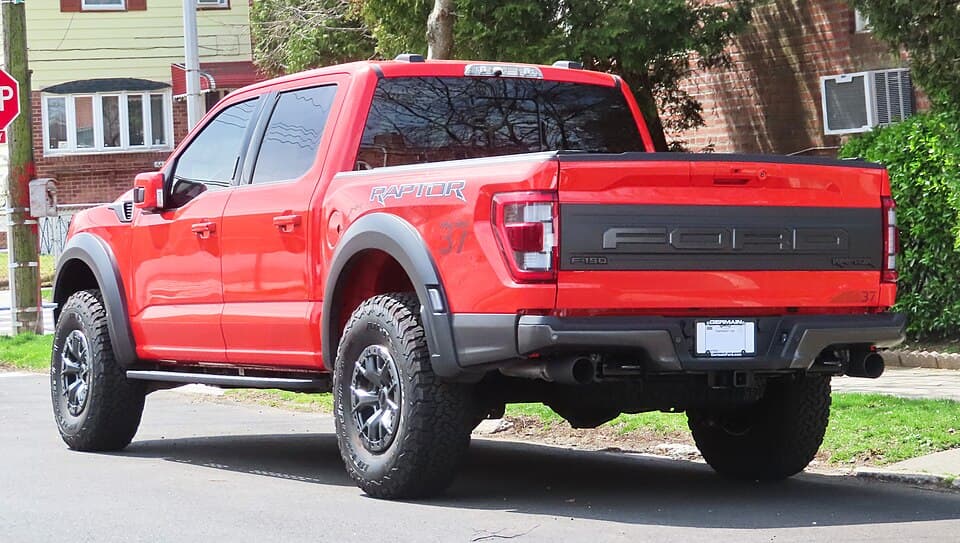
Ocotillo Wells SVRA is free, open to the public with no permit, and it is one of the few places in Southern California where a stock Raptor can run at real speed on real desert terrain without paying anyone or asking permission. It sits in San Diego County against the eastern edge of Anza-Borrego Desert State Park, where OHV travel is not allowed, and the terrain inside Ocotillo Wells itself shifts from hardpack flats to whooped-out washes to soft blow sand inside the same afternoon. The published riding season runs October through May. Summer here is a different conversation entirely, and not a good one.
What Ocotillo Wells actually is
Ocotillo Wells is a California State Parks OHV area, roughly 85,000 acres, managed as open riding rather than a marked trail system. That distinction matters: there is no single loop to follow. You pick a zone, you pick a line, and you make your own way across it. Primitive camping is free and unrestricted within the Ocotillo Wells SVRA (state vehicular recreation area) boundary, so a weekend trip costs you gas, food, and whatever you break.
The catch that trips up first-timers: the park shares a boundary with Anza-Borrego Desert State Park, and OHV travel across that line is illegal. The boundary is not always obvious on the ground. Rangers patrol it and they write tickets. Know your GPS position before you get comfortable running fast lines near the western edge.
The terrain by zone
Four named areas cover most of what people actually ride:
- Blow Sand Hill - soft, steep dune faces on the north side. Good for learning throttle control in sand, bad for anyone who does not air down first.
- Shell Reef - looks like flat, easy hardpack from a distance. It is not. Exposed fossil shell beds sit right at the surface and will tear up a skid plate or an oil pan on a line you have not scouted. Walk it before you run it, every time you visit a section you have not personally driven.
- Gas Domes - rolling terrain with natural mounds and dips, a good whoop-and-flat mix for finding a truck's suspension travel without committing to the biggest whoop fields in the park.
- Pumpkin Patch - similar rolling desert, more open, popular with the dirt bike and quad crowd, so keep your head up for cross traffic.
Between the named zones you get long hardpack flats that invite speed, and washes that turn into whoop sections (a series of closely spaced dips, the kind that punish a truck running too fast for its suspension to keep the tires planted) after enough traffic beats them in. None of it is marked. You are reading the desert as you go, same as everywhere else in the open-riding parks like Johnson Valley or Glamis.
Whoop management for a truck this heavy
A Gen 2 or Gen 3 Raptor weighs somewhere in the neighborhood of 5,700-5,900 lbs depending on cab and options, and the figure moves with trim and options, so treat it as an estimate rather than a spec. The Raptor R runs heavier still. That mass matters more in whoops than it does anywhere else on this property.
Whoops reward one of two speeds: slow enough to absorb each dip individually, or fast enough to skim the tops without the suspension fully cycling. The dangerous middle speed is where most people get hurt, where the truck is going fast enough to launch off each whoop but not fast enough to stay on top of them, and the front end starts porpoising until you lose steering authority. If you feel that start, back off. Do not try to power through it.
Stock Fox shocks on a Gen 2 or the Fox Live Valve setup on a Gen 3 will handle moderate whoops at a sane pace. If you are running 37s and a set of King 3.0 Performance Series Coilover Kit or Fox 3.0 Internal Bypass Shocks, you have the travel to run faster, but Ocotillo Wells' whoop fields get inconsistent maintenance and a line that was smooth last month can be baseball-sized this month. Scout a new wash at walking pace before you decide how hard to run it. Our own comparison between King, Fox and ICON shocks covers how much difference a coilover swap actually makes at this kind of speed, if you are deciding whether the upgrade is worth it before your next trip.
Season honesty
Site data lists Ocotillo Wells as an October-through-May park, and there is a real reason for that window. Summer daytime highs in this part of the desert regularly clear 110 degrees, and there is no shade, no water, and spotty cell coverage anywhere in the park. A stuck or broken-down truck in July is a real emergency, not an inconvenience. If you only have a summer weekend free, go somewhere else and save Ocotillo Wells for the cooler months.
What is not there
Ocotillo Wells has no fuel, no water, no repair shop, and no reliable phone signal once you are off the main roads near the visitor center. Plan as if you are fully on your own:
- Fill up before you arrive, in Borrego Springs or Ocotillo Wells town, not on the way out.
- Bring more water than you think you need. A gallon a day per person is a reasonable floor, more in shoulder-season heat.
- Carry a basic recovery kit and tire repair even in a stock truck. Shell Reef and the rockier washes have ended more than one otherwise-uneventful weekend.
- Tell someone your general route and return time. Cell coverage is unreliable enough that a satellite communicator is worth the cost if you run here often.
Air down to roughly 15-18 psi for the mixed sand and hardpack, on the low end if you are spending most of your day in Blow Sand Hill's soft faces, higher if you are running mostly hardpack flats and want to protect the sidewalls from Shell Reef's shell fragments. A BFGoodrich KO2 or similar all-terrain handles this mix fine; nothing about Ocotillo Wells demands a dedicated sand tire the way Glamis does.
Who this trip suits
A stock Gen 2 or Gen 3 Raptor is genuinely capable here, which is part of what makes this park valuable: it is one of the few places you can learn what your factory suspension does at speed without first spending money on it. If you are cross-shopping trucks and wondering whether a stock rig is even worth bringing to terrain like this, the honest answer for Ocotillo Wells is yes, more so than for rockier parks. Compare that against what a stock truck can do on a place like Moab, which asks a completely different question of the truck.
The short version
- Ocotillo Wells SVRA is free, no permit, and open riding across roughly 85,000 acres in San Diego County, right next to Anza-Borrego Desert State Park where OHV travel is illegal. Know the boundary.
- Terrain mixes hardpack flats, whoops, and soft sand across Blow Sand Hill, Shell Reef, Gas Domes, and Pumpkin Patch. Shell Reef looks tame and is not; walk any new line before you run it.
- The riding season is October through May. Summer heat here is a real danger, not just discomfort.
- Air down to 15-18 psi, bring your own fuel and water, and do not count on cell service once you leave the main road.
Owner questions
- Do I need a permit to ride Ocotillo Wells SVRA, and what does it cost?
- No. Ocotillo Wells SVRA is free and open to the public with no permit required. Primitive camping is also free and unrestricted within the SVRA boundary, so a weekend trip costs only gas, food, and whatever you break — there's no fee to access the roughly 85,000-acre park.
- What tire pressure should I run at Ocotillo Wells in a Raptor?
- Air down to roughly 15-18 psi for the mixed sand and hardpack — lower end if you're mostly in Blow Sand Hill's soft faces, higher if you're on hardpack flats and want to protect sidewalls from Shell Reef's shell fragments. A BFGoodrich KO2 or similar all-terrain handles this mix fine.
- When is the best time of year to run Ocotillo Wells, and is summer really that bad?
- The published riding season runs October through May. Summer daytime highs regularly clear 110 degrees with no shade, no water, and spotty cell coverage anywhere in the park, making a stuck or broken-down truck a real emergency rather than an inconvenience. Save it for the cooler months.
- Do I need upgraded shocks like King or Fox coilovers to run the whoops at Ocotillo Wells?
- Not necessarily. Stock Fox shocks on a Gen 2 or the Fox Live Valve setup on a Gen 3 handle moderate whoops at a sane pace. Running 37s with a King 3.0 Performance Series Coilover Kit or Fox 3.0 Internal Bypass Shocks gives more travel for faster whoop runs, but maintenance is inconsistent, so scout new washes at walking pace first.
- What are the named riding zones at Ocotillo Wells, and which one is more dangerous than it looks?
- The four named zones are Blow Sand Hill (soft, steep dune faces), Shell Reef, Gas Domes, and Pumpkin Patch. Shell Reef looks like flat, easy hardpack from a distance, but exposed fossil shell beds sit right at the surface and can tear up a skid plate or oil pan — walk it before you run any new line.
Deal alert
Shopping for one? Get new listings first
We sweep US dealer inventory and send you new Raptors matching your search — real listings, real asking prices, no spam.