Ford Raptor Fox Shock Leaks and Failures: Symptoms, Cost, What Actually Fails
Fox shocks are the Raptor's signature suspension component, but they're wear items, not lifetime parts, and owners eventually see seepage, bypass tube leaks, or fade. Here's what actually fails on gen 1 and gen 2 trucks, what it costs to fix, and when a rebuild beats full replacement.
Gear in this article
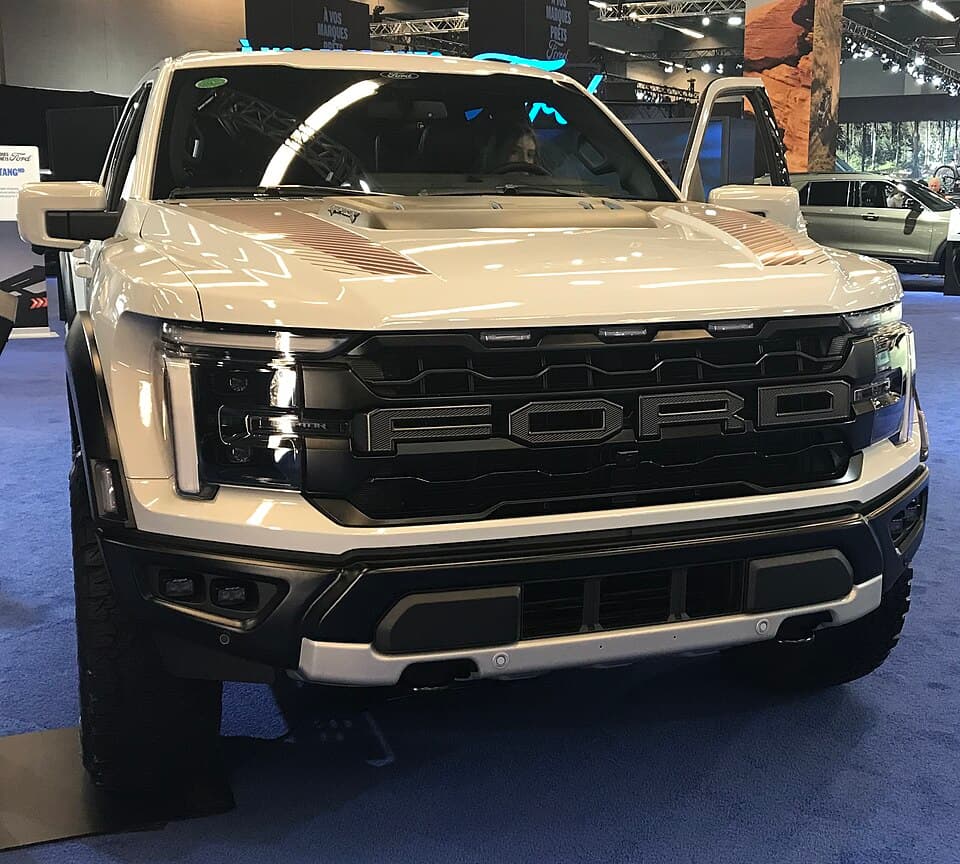
If you are seeing an oily film around the shock body, a dark ring on the bypass tubes, or the truck feels like it has lost compliance over washboard, you are most likely looking at a worn seal on a stock Fox internal bypass shock, not a defective part. This is a wear item on a [Gen 1](/trucks/f150-raptor-gen-1) or [Gen 2](/trucks/f150-raptor-gen-2) Raptor, the same way brake pads and shock bushings are wear items on any truck, and owners who run these trucks hard off-road report it often enough on forums to call it a pattern, even though nobody has published a real failure rate. It is not a recall, and the fix ranges from a low-cost reseal kit to a full shock swap depending on mileage, use, and which specific shock is on the truck.
This article covers the non-Live-Valve Fox shocks fitted to Gen 1 (2010-2014) and Gen 2 (2017-2020) Raptors. If you have a [Gen 3](/trucks/f150-raptor-gen-3) truck (2021-on) with the electronically controlled Fox Live Valve system, the failure modes and the fix are different. See our separate writeup on Gen 3 Live Valve shock failures and cost instead of applying anything here to that truck.
What is actually failing
The stock Raptor shock on Gen 1 and Gen 2 is a Fox internal bypass design (the aftermarket version of this architecture is sold as the Fox 3.0 internal bypass shock), a long-travel monotube shock with a reservoir and, on the front, external bypass tubes that change the damping rate at different points in the stroke. Both Fox 2.5-body and Fox 3.0-body shocks have been fitted to Raptors across these two generations depending on model year, trim, and whether a truck has the front or rear corner in question. Do not assume your truck matches a forum post written about a different model year. Check the diameter stamped on the shock body itself, or pull your build sheet, before ordering a reseal kit or a replacement unit.
Every seal in the assembly, the shaft seal, the bypass tube fittings, the reservoir cap, is a wear surface. Heat cycling from repeated whoops and washboard runs, UV exposure, and simple age degrade those seals over years, not miles in the way a brake pad wears.
What owners actually report, consistently enough across forums that it is worth taking seriously as a pattern even though nobody has run a controlled failure study:
- Visible oil film on the shock body, usually starting near the shaft seal or where a bypass tube meets the shock body. A light haze that wipes off and comes back in a day is weeping. A wet shock body with oil pooling at the bottom of the skid plate is a real leak.
- Clunking or harshness on rebound, especially at low speed over small bumps, as internal damping fluid volume drops and the shock starts moving air through the valving.
- Fade after sustained whoops or washboard, where the truck feels fine for the first few minutes of a run and then goes wallowy or harsh as the shock heats up and degraded seals let fluid or nitrogen charge escape internally.
None of this means a shock is about to fail catastrophically. A monotube shock with a worn seal loses performance gradually. It is a comfort and control problem long before it is a safety problem, and you will feel it coming for a while before it gets bad enough to actually fix.
How shops get this wrong
The most common mistake is a shop replacing a shock that only needed a reseal, because resealing means sending it out or having Fox-trained techs on staff, and a straight swap bills faster. The second most common mistake is diagnosing a leak that is actually just factory assembly lubricant or shipping overspray, which is cosmetic and not a leak at all, particularly on trucks under 10,000 miles. Wipe the shock down, drive it, and recheck before you let anyone sell you a repair.
Repair paths, ranked
Rebuildable versus replace-only matters here, and it is worth confirming before you commit to a path. Fox has historically built some Raptor-fitment shocks as fully serviceable units a dealer or a Fox Authorized Service Center can disassemble, and others as sealed assemblies intended to be replaced rather than opened. Which category your specific shock falls into depends on the part number and trim, and that has changed across model years, so get the part number read off the body and confirmed with Ford or Fox directly before you pay for a path that is not available for your unit.
| Path | What it involves | Cost reasoning |
|---|---|---|
| DIY reseal kit | Seal kit, shock press or vise setup, nitrogen charge station, your time | Lowest cash outlay per shock if you already own or can borrow the tooling; the nitrogen charge station is the real barrier for most owners |
| Professional Fox rebuild/reseal | Dealer or Fox Authorized Service Center disassembles, replaces seals, recharges nitrogen | Mid-range cost, priced per shock; call a Fox service center with your part number for a current quote rather than trust an old forum number |
| OEM replacement shock | New Fox unit, Ford part number, bolted in | Highest of the three paths since you are paying full parts cost on top of install labor; get a current quote from your dealer parts counter with your VIN |
We are deliberately not printing a specific dollar figure here. Fox rebuild and OEM parts pricing moves with supply and dealer region, and a number that was right a year ago can be stale today. Call a Fox Authorized Service Center and your Ford dealer parts counter with the part number off the shock before you decide.
If you are already resealing or replacing shocks on a well-used truck, this is also the natural point to ask whether you want to stay stock or upgrade. Our King vs Fox vs ICON whoops test covers how the stock Fox units compare to aftermarket options like the King 3.0 Performance Series Coilover Kit and the ICON 3.0 VS CDCV Coilover Kit if you are building for repeated high-speed desert use rather than just daily driving.
What Ford's warranty actually covers
Shocks are suspension components, so they fall under Ford's base New Vehicle Limited Warranty, commonly called bumper-to-bumper, not the longer powertrain warranty, which covers the engine, transmission, and drivetrain and does not extend to suspension parts. Ford's bumper-to-bumper coverage on these trucks has generally run 3 years or 36,000 miles, whichever comes first, but the exact window and whether a prior owner added an extended service plan depends on your specific build date and sales history, so the only reliable answer is to call your dealer with the VIN.
A leaking shock discovered at 15,000 miles on a truck still inside that base warranty window is a straightforward warranty claim. The same leak discovered at 60,000 miles on a 2018 truck almost certainly is not, and you are paying out of pocket through one of the three paths above.
This is also not a Technical Service Bulletin situation in most cases. A TSB is a documented repair procedure Ford issues to dealers for a known issue, it is not free work, and we are not aware of one specific to routine Fox shock seal wear on these trucks. If your dealer references one, ask for the number and read what it actually says before assuming it changes your coverage.
The short version
- Oil film, rebound clunk, and fade after sustained whoops on a Gen 1 or Gen 2 Raptor usually means worn seals on the stock Fox shocks, a wear item, not a defect.
- Confirm your shock's body size and whether it is rebuildable or replace-only using the part number before picking a repair path.
- Costs run from a DIY reseal kit on the low end to a full OEM shock swap on the high end; get current pricing from a Fox service center and your dealer rather than trusting an old forum number.
- Shocks fall under Ford's base bumper-to-bumper warranty, not the powertrain warranty, so check remaining coverage with your VIN before paying out of pocket.
- If you are replacing shocks anyway on a truck built for repeated hard use, it is worth comparing stock Fox replacement against upgrades like King or ICON rather than defaulting back to OEM.
Deal alert
Shopping for one? Get new listings first
We sweep US dealer inventory and send you new Raptors matching your search — real listings, real asking prices, no spam.