Ford Raptor Engines: Every Generation, Explained
Every engine that has ever worn the Raptor badge, from the 2010 5.4L V8 through the 720 hp Raptor R, with the oil capacity and spec for each. Includes the known weak points per engine so you know what to budget for before it breaks.
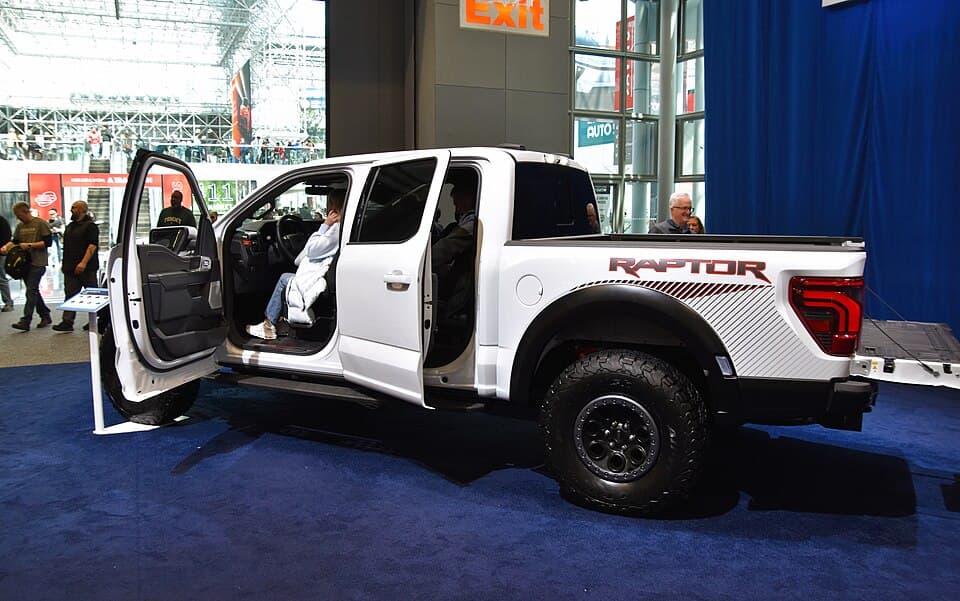
A Gen 1 Raptor (2010) ran a 5.4L 3-valve V8 rated at 310 hp before Ford swapped in the 411-hp 6.2L V8 partway through that model year, and the 6.2 carried Gen 1 through 2014. Gen 2 (2017-2020) and Gen 3 (2021-present) both run the same 3.5L High-Output EcoBoost twin-turbo V6, 450 hp and 510 lb-ft, with combined port and direct injection. The Raptor R (2023-present) drops in a supercharged 5.2L V8 making 700 hp on 2023 trucks and 720 hp from 2024 on. The Ranger Raptor runs a 3.0L EcoBoost V6 at 405 hp, and the Bronco Raptor runs its own tune of the same basic 3.0L at 418 hp. Six Raptor-badged trucks, four engine families, and the number stamped on the valve cover changes what belongs in the oil pan and what breaks first.
Every engine, side by side
| Truck | Engine | Years | Power / torque | Oil capacity | Oil spec |
|---|---|---|---|---|---|
| Gen 1 Raptor | 5.4L 3V V8 | 2010 only | 310 hp / 365 lb-ft | approx. 7 qt | 5W-20 |
| Gen 1 Raptor | 6.2L V8 | 2010-2014 | 411 hp / 434 lb-ft | approx. 7 qt | 5W-20 |
| Gen 2 Raptor | 3.5L HO EcoBoost V6 | 2017-2020 | 450 hp / 510 lb-ft | 6 qt | 5W-30 full synthetic |
| Gen 3 Raptor | 3.5L HO EcoBoost V6 | 2021-present | 450 hp / 510 lb-ft | 6 qt | 5W-30 full synthetic |
| Raptor R | 5.2L supercharged V8 | 2023-present | 700-720 hp / 640 lb-ft | approx. 11.5 qt | 5W-50 full synthetic |
| Ranger Raptor | 3.0L EcoBoost V6 | 2024-present (US) | 405 hp / 430 lb-ft | approx. 6.5-7 qt | 5W-30 full synthetic |
| Bronco Raptor | 3.0L EcoBoost V6 | 2022-present | 418 hp / 440 lb-ft | approx. 7 qt | 5W-30 full synthetic |
These figures are compiled from Ford service data and current oil-change kit listings. Oil capacity has shifted slightly between printings of the same owner's manual on a few of these trucks, so confirm the number against the manual for your model year before buying oil in bulk, and check the dipstick after a fill rather than trusting any chart, this one included.
Gen 1 (2010-2014): the 5.4L V8 and the 6.2L that replaced it mid-year
The SVT Raptor launched for 2010 with the 5.4L 3-valve Triton V8 already familiar from the rest of the F-150 lineup, rated at 310 hp and 365 lb-ft, backed by a 6-speed automatic. Ford swapped in the 6.2L V8, a new-for-Raptor big-inch two-valve design good for 411 hp and 434 lb-ft, partway through that same model year, and the 6.2 was the only engine offered from 2011 through the end of Gen 1 production in 2014. A 2010 Raptor can carry either engine, so the badge alone does not tell you which one is under the hood; check the build sheet or pop the hood.
Oil capacity and spec: both engines take approximately 7 qt with a filter change. Ford specified Motorcraft 5W-20 for both the 5.4L and the 6.2L across their production years. Confirm the exact spec code against the sticker under the hood or the manual for your model year, since Ford revised its approved oil specs more than once over Gen 1's run.
Weak points: the 5.4L's biggest black mark on earlier Triton applications, spark plugs that could shear and eject under load, was largely a pre-2008 problem and rare on the 2010 Raptor's revised heads, though cam phaser and timing chain guide wear on that generation of Triton V8 is still worth budgeting for past 150,000 miles. The 6.2L is the more common Gen 1 engine and has held up well as a naturally aspirated design with fewer parts to fail than the EcoBoost trucks after it; oil consumption from worn piston rings and the occasional ticking lifter are the recurring high-mileage items. Gen 1 Raptor buyers should treat both engines as mechanically simple next to what came after, a real part of why so many are still daily-driven.
Gen 2 (2017-2020): the 3.5L High-Output EcoBoost takes over
Ford dropped both Gen 1 V8s for 2017 and moved to a purpose-built 3.5L High-Output EcoBoost twin-turbo V6, 450 hp and 510 lb-ft, paired with a new 10-speed automatic. The HO EcoBoost uses combined port and direct fuel injection, spraying fuel both into the intake port and straight into the cylinder depending on load, a design meant to get some of direct injection's efficiency without all of its carbon-buildup downside. It softens that downside. It does not eliminate it.
Oil capacity and spec: 6 qt with a filter change, Motorcraft 5W-30 full synthetic meeting Ford's WSS-M2C946-C1 spec for the 2017-and-later EcoBoost family. That is a smaller fill and a heavier viscosity than either Gen 1 V8, so do not reach for 5W-20 out of habit.
Weak points: the single most-discussed Gen 2 issue is a loud metallic rattle from the front of the engine on a cold start, caused by worn cam phasers, common enough that it shapes used-market pricing on its own. Our cam phaser rattle cost breakdown ranks every fix from cheapest to most thorough. Carbon buildup on the intake valves is the other recurring theme, softened but not solved by the port-injection half of the fuel system; what carbon buildup on an EcoBoost actually does covers how much it really costs you in drivability before you pay for a walnut-blast service you may not need yet. For which specific model years carry which issue, 3.5 EcoBoost problems by year is the fuller reference.
Gen 3 (2021-present): the same engine, new electronics around it
The 2021-and-later Gen 3 F-150 Raptor carries the identical 3.5L HO EcoBoost, 450 hp and 510 lb-ft, unchanged from Gen 2. Ford's real engineering spend on Gen 3 went into the chassis: electronically controlled Fox Live Valve dampers and a wider track, not a new engine. Do not pay a Gen 3 premium expecting more power or a different powertrain; you are buying the same motor with better suspension electronics around it.
Oil capacity and spec: same as Gen 2, 6 qt of 5W-30 full synthetic meeting the current WSS-M2C946 spec revision for your model year. Check the oil cap or the manual rather than assuming the number never drifted; Ford has updated the approved synthetic spec code more than once across this engine's run.
Weak points: Gen 3 inherited the same cam phaser and carbon buildup exposure as Gen 2, since it is the same engine architecture, though later production years benefit from running changes Ford made as the issues became known. 3.5 EcoBoost problems by year breaks out which years improved and by how much. Budget the same way you would for a Gen 2: a cold-start rattle is worth a pre-purchase inspection, not an automatic dealbreaker.
Raptor R (2023-present): the supercharged 5.2L V8
The Raptor R swaps the EcoBoost V6 for a supercharged 5.2L V8, the same Predator architecture that powered the previous-generation Shelby GT500, fed by a 2.65-liter Eaton TVS supercharger. 2023 trucks were rated at 700 hp and 640 lb-ft; Ford bumped output to 720 hp for 2024 and later, torque unchanged. It is the only V8 Raptor sold since Gen 1 ended, and by a wide margin the most powerful engine to wear the badge.
Oil capacity and spec: this engine takes a genuinely large fill, approximately 11.5 qt, in a baffled oil pan designed to keep the pickup submerged under the hard cornering and braking loads a 700-plus-hp truck can generate. Ford specifies 5W-50 full synthetic, a heavier viscosity than any other engine in this lineup, chosen for the shear stability that higher oil temperatures under boost demand. Do not put 5W-30 in a Raptor R out of old EcoBoost habit; confirm the fill and the spec against the manual for your model year before the first oil change.
Weak points: the Raptor R is new enough that long-term failure data is still thin, and the honest answer for now is that the engine has not shown a signature problem the way the 3.5 EcoBoost's cam phasers did. What owners do report is heat soak on repeated full-throttle runs, intake air temperatures climbing and the PCM pulling timing on a third or fourth hard pull back to back, a cooling-system limitation more than an engine defect. Treat that as normal for a supercharged V8 in a 6,500-lb truck, not a warranty case, and give it a lap to cool between runs if you are tracking one.
Ranger Raptor and Bronco Raptor: smaller trucks, their own 3.0L EcoBoost tunes
Both mid-size Raptors run a 3.0L twin-turbo EcoBoost V6, but Ford tunes it differently for each. The Ranger Raptor makes 405 hp and 430 lb-ft in US spec. The Bronco Raptor, on a shorter, lighter platform, makes more from the same basic architecture: 418 hp and 440 lb-ft. Do not assume parts or tunes are interchangeable between them just because the displacement matches; calibration, cooling setup, and some hard parts differ.
Oil capacity and spec: both call for 5W-30 full synthetic. Published fill quantities vary by source and by printing of the owner's manual, roughly 6.5-7 qt for the Ranger Raptor and roughly 7 qt for the Bronco Raptor, with some early Bronco Raptor documentation listing 7.5 qt before Ford revised the electronic manual downward. Confirm the number on your dipstick and your specific manual rather than any chart, this one included.
Weak points: this engine family shares a documented cold, rough idle and intermittent misfire code, most commonly showing up past 60,000 miles, on both the Ranger Raptor and the Bronco Raptor. Otherwise the 3.0L has been comparatively low-drama next to the full-size Raptor's 3.5L, in part because it carries less boost and less stress per cylinder.
The short version
- Gen 1 (2010) ran a 310-hp 5.4L V8 before Ford swapped to the 411-hp 6.2L V8 mid-year; the 6.2 carried through 2014.
- Gen 2 and Gen 3 share the same 3.5L High-Output EcoBoost, 450 hp and 510 lb-ft, with combined port and direct injection.
- Raptor R runs a supercharged 5.2L Predator V8, 700 hp on 2023 trucks and 720 hp from 2024 on.
- Ranger Raptor (405 hp) and Bronco Raptor (418 hp) each run their own tune of a shared 3.0L EcoBoost V6.
- Oil fill and spec change by engine, from 6 qt of 5W-30 on the 3.5 EcoBoost to roughly 11.5 qt of 5W-50 on the Raptor R; confirm both against the manual for your model year.
- Cam phaser rattle and carbon buildup are the recurring 3.5 EcoBoost issues; the 3.0L family's shared weak point is a cold-start misfire past 60,000 miles.
Deal alert
Shopping for one? Get new listings first
We sweep US dealer inventory and send you new Raptors matching your search — real listings, real asking prices, no spam.