Used Ranger Raptor Buying Guide: What to Inspect Before You Buy
The Ranger Raptor has been sold globally for years longer than it's been available in the US, so used listings can vary wildly by origin, spec, and engine. This guide explains what actually matters for a US buyer and what to check before handing over a deposit.
Gear in this article
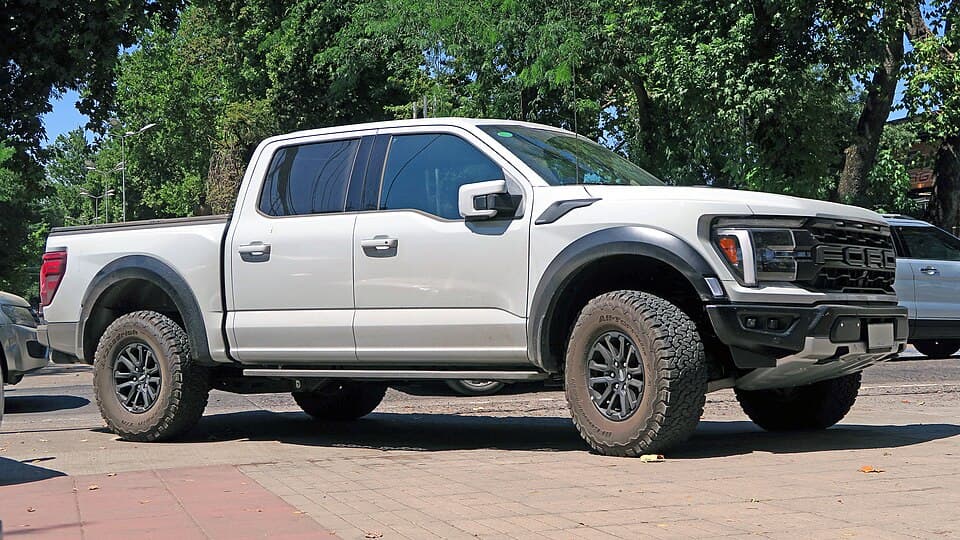
Ford's US-market Ranger Raptor is a recent arrival, and that single fact changes everything about how you shop for a used one. There is no multi-year "what breaks after 80,000 miles" track record here the way there is for a Gen 1 or Gen 2 F-150 Raptor, because the truck simply has not been on US roads that long. What you are actually inspecting on a used Ranger Raptor today is a low-mileage, recent-model-year truck, and the checklist is about verifying it has not been beaten on hard, not about chasing a known failure pattern.
How long the Ranger Raptor has actually been in the US, versus everywhere else
The Ranger Raptor has been sold in Australia, Thailand, Europe and other right-hand and left-hand drive markets for years before Ford brought it to US showrooms. The US-market truck arrived with the redesigned global Ranger well after overseas buyers already had multiple model years of it. Confirm the exact first US model year against Ford's own press materials before you lean on it for a purchase decision, because getting this wrong is the single easiest way to misjudge what you are looking at. Treat any used listing claiming to be an earlier US-titled Ranger Raptor than Ford's confirmed launch year as a flag to double check the title and build sheet, not a bargain.
This timing gap is also why you will not find a mature "years to avoid" list for the US truck the way you can for a used Gen 1 or Gen 2 F-150 Raptor. Our full spec breakdown of the Ranger Raptor's engine, drivetrain and 0-60 numbers is the place to go for baseline figures rather than relying on secondhand quotes from a listing, and our Ranger Raptor generation page is the place to check what actually changed across model years before you compare two listings against each other.
Which engine your truck actually has
This is where buyers get confused, because the Ranger Raptor has not run one engine worldwide. Overseas markets have at various points offered diesel options in the Ranger Raptor lineup that were never certified for US emissions and were never sold here. The US-spec truck runs a twin-turbocharged 3.0 liter EcoBoost V6 gasoline engine, full stop. There is no diesel option in the US and never has been, so any listing, forum post, or old overseas road test quoting a diesel engine or a diesel-specific power figure is describing a truck that is not the one Ford sells here.
Do not assume the engine based on what you have read about the Ranger Raptor generally, and do not assume every US model year got identical output figures without checking. Confirm the actual engine code and displacement off the window sticker, the build sheet, or the engine code stamped on the VIN plate, and cross check it against our engine and 0-60 spec page for the model year you are looking at. If a private-party seller describes performance figures that sound like they came from an Australian or European road test, ask directly whether the truck was ever titled anywhere but the US. A truck that spent its early life overseas and was later imported is a different legal and mechanical animal than a US-delivered, US-titled Ranger Raptor, and financing, insurance, and parts availability all get harder on a gray-market import.
What US used inventory actually looks like right now
Because the US launch is recent, do not expect to find a used Ranger Raptor with six-figure mileage or a decade of ownership history. Most used listings right now are former lease returns, trade-ins from early adopters, or dealer demo units, and they skew very late model with mileage that has not had time to accumulate. That is good news for a buyer worried about long-term wear, but it also means pricing data is thin and shifts fast. Pull live listings the week you are actually buying rather than trusting a number from an old article, ours included, and cross-reference what you find against our breakdown of what Ranger Raptor ownership actually costs for fuel, maintenance, and insurance context rather than purchase price.
Front suspension and CV boot inspection
The Ranger Raptor runs an independent front suspension with CV axles, which means CV boots are a real wear item on a truck that gets driven off road at speed. Get the truck on a lift and check:
- Both front CV boots for tears, cracking, or flung grease on the inside of the wheel or the lower control arm. A torn boot that has already been driven on means a contaminated, sand-packed CV joint, which usually means replacing the axle assembly rather than just the boot. Budget for a full axle replacement here, not a boot kit, and get a shop quote before you negotiate, since labor and part cost both swing by region and by whether the dealer or an independent does the work.
- Front ball joints and tie rod ends for play, by hand with the wheel off the ground.
- The factory Fox Live Valve front shocks for visible oil seepage at the shaft seal, not just dust on the body. Light surface dust is normal on a truck that has seen dirt roads. If you are planning to replace the factory shocks down the line anyway, our King 3.0 vs Fox 3.0 vs ICON whoops test is written for the F-150 Raptor platform but is a useful reference for how these shock families perform under repeated hits.
- Front skid plate and lower control arm for impact dents versus light scuffing. Dents with bent brackets mean a hard hit was absorbed by the suspension, not just the skid plate.
The Raptor trim swaps the leaf-sprung rear axle that lesser Rangers use for a coil-sprung, Watts-link rear end, so you are not chasing the leaf spring wear and sag issues that show up on base Rangers. Check the rear coilovers and the Watts link bushings for play the same way you check the front.
Infotainment and electrical gremlins to check
Run through the full infotainment stack during the test drive, not just a quick tap on the home screen. Pair a phone over both wired and wireless CarPlay or Android Auto if the truck supports it, cycle through the camera views including the off-road camera package if equipped, and watch for a screen that freezes, reboots itself, or drops the backup camera feed. These are the kind of intermittent software gremlins that owners report on modern Ford infotainment systems generally, though nobody has published a hard failure rate worth quoting for this specific truck yet. A screen that misbehaves once during a test drive is worth a dealer diagnostic appointment before you sign, not an automatic reason to walk, since a lot of these clear up with a software update.
Also check all the auxiliary switches, the rock light wiring if the truck has an aftermarket light kit installed, and any trailer brake controller wiring for a clean factory look versus a hacked-in aftermarket harness.
Signs of hard off-road use
A Ranger Raptor advertised as "lightly used" that has actually been run hard will show it in specific places:
- Skid plate scrapes that go beyond light scuffing into visible gouges or a bent plate, especially on the front skid plate and the transfer case guard.
- Mismatched paint or a replacement front bumper, which can mean a repaired impact.
- Rock slider or rocker panel scuffs that do not match a truck with low reported mileage.
- Mud or sand packed into the frame rails, control arm pivots, or brake calipers, a sign of repeated water crossings or dune running that was never cleaned out.
- Uneven or cupped tire wear, which can mean aggressive off-road driving or a suspension alignment issue from a hard landing.
None of this is automatically a dealbreaker on a truck bought to be run off-road, but it is a reason to negotiate on price, and it is a reason to have a shop put the truck on a lift before you pay rather than trusting a clean CarFax. A CarFax will not show you a cracked skid plate.
What Ford's warranty still covers
A used Ranger Raptor bought within its factory bumper-to-bumper and powertrain warranty window still carries that coverage with the vehicle, not the original owner, so confirm the in-service date and mileage against Ford's warranty terms for the specific model year. Powertrain warranty covers the engine, transmission, and drivetrain against defects, not wear items like tires, brake pads, or a torn CV boot from rock impact. If the truck has any aftermarket suspension or lift installed, ask directly whether a dealer has flagged anything as modification-related, since Ford can deny a warranty claim it can tie to a non-factory part, though it has to show that link rather than deny broadly.
Deciding between this and the full-size truck
A lot of buyers cross-shopping a used Ranger Raptor are also looking at a Gen 2 or Gen 3 F-150 Raptor, and the two trucks solve different problems. Our head-to-head on Ranger Raptor versus F-150 Raptor breaks down the real tradeoffs in size, price, and capability rather than just horsepower numbers.
The short version
- Confirm the US Ranger Raptor's actual launch model year against Ford's official materials before trusting any listing's claimed history.
- Verify the engine on the window sticker or VIN. The US truck has only ever been sold with the 3.0 liter EcoBoost V6, no diesel, so any listing claiming otherwise is describing a different market's truck.
- Expect thin, late-model used inventory, so price against live listings, not an old article.
- Put it on a lift: check front CV boots for tears or flung grease (a torn boot usually means an axle, not just a boot), ball joints, and the factory Fox Live Valve shocks for leaks, and remember the rear end is coil-sprung with a Watts link, not leaf springs.
- Run the infotainment system through its paces on the test drive, and inspect skid plates, rockers, and frame rails for evidence of hard off-road use before you negotiate.
Deal alert
Shopping for one? Get new listings first
We sweep US dealer inventory and send you new Raptors matching your search — real listings, real asking prices, no spam.