Does a Ford Raptor Qualify for Section 179? What Business Owners Need to Know
Does a Ford Raptor Qualify for Section 179? What Business Owners Need to Know
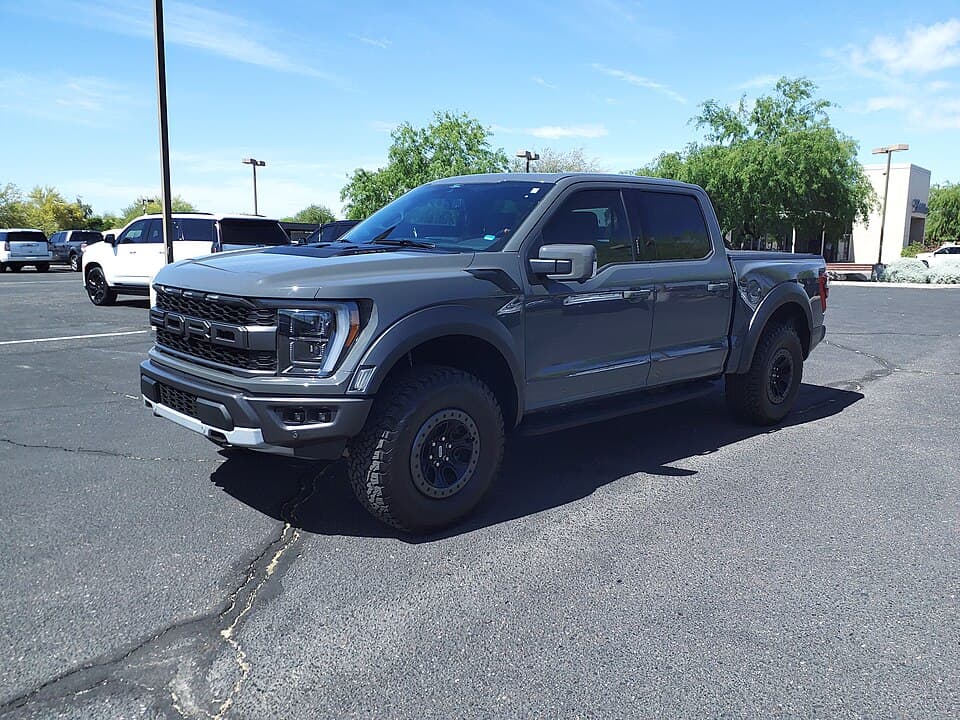
A Ford Raptor qualifies for the Section 179 heavy vehicle deduction because the full-size F-150 Raptor's GVWR (gross vehicle weight rating) lands at roughly 7,000-7,800 lbs depending on generation and trim, clear of the 6,000-lb threshold the IRS uses to separate "heavy" vehicles from passenger cars and light trucks. That puts a business-use Raptor into the heavy-SUV/truck category under Section 179 instead of the far more restrictive luxury-auto depreciation limits. The Ranger Raptor and Bronco Raptor are closer calls and need their own door-sticker check before you assume either way.
None of what follows is tax advice for your specific return. Section 179 math depends on your income, your entity structure, what else you have already deducted this year, and rules that get adjusted almost every tax year. Run your actual numbers past a CPA before you write a check based on an article.
What GVWR actually is, and why it matters here
GVWR is not curb weight and it is not payload. It is the maximum loaded weight the manufacturer rates the truck, chassis, tires and brakes to handle safely: truck plus passengers plus cargo plus fuel. It is stamped on the door jamb sticker, and that sticker number, not a spec sheet's curb weight, is what the IRS cares about.
Which Raptor generations clear the 6,000-lb line
The Gen 1 SVT Raptor (2010-2014) carries a GVWR generally in the 6,900-7,050 lb range depending on cab configuration and the 5.4L or 6.2L engine, comfortably over the threshold. The Gen 2 F-150 Raptor (2017-2020) sits in a similar neighborhood, around 7,000-7,050 lbs. The Gen 3 F-150 Raptor (2021-present) runs somewhat higher, generally cited in the 7,000-7,800 lb range depending on trim and options. The Raptor R (2023-2025), with its supercharged 5.2L V8, sits at the upper end of that range because of the added drivetrain weight. Every full-size Raptor from Gen 1 forward clears 6,000 lbs GVWR without controversy, but "roughly 7,000 lbs" is an estimate that varies by cab, bed length and options. Confirm your specific build against the door jamb sticker, not a spec chart, before you build a deduction plan around it.
The Ranger Raptor is a close call, not an automatic no
The Ranger Raptor is a genuinely different situation from the full-size trucks. Its GVWR sits close to the 6,000-lb line, and depending on cab configuration and model year, published figures put it right around that threshold rather than clearly above or below it. This is not a truck where you can eyeball the answer. Pull the exact GVWR off your specific Ranger Raptor's door jamb sticker before you assume it qualifies or assume it does not. A few hundred pounds either way, on this particular truck, is the difference between the heavy-vehicle rules and the much lower passenger-vehicle depreciation caps.
The Bronco Raptor needs the same check
The Bronco Raptor also needs a direct check rather than a guess. Its GVWR is closer to the 6,000-lb line than the F-150 Raptor's, and depending on trim, tire package and options it may land above or below the threshold. Pull the number off your specific build's door sticker or window sticker before you plan a deduction around it.
The 6,000-lb threshold, explained
The IRS splits vehicles into two buckets for depreciation purposes. Cars and light trucks under 6,000 lbs GVWR fall under "luxury auto" limits that cap first-year depreciation at a few thousand dollars, regardless of purchase price. Vehicles over 6,000 lbs GVWR but not more than 14,000 lbs get treated as heavy SUVs or trucks under Section 179, which allows a much larger first-year deduction, subject to the caps below.
The full-size Raptor's GVWR puts it solidly in that second bucket across every generation, which is the entire reason this question gets asked as often as it does. It is one of the more legitimate business write-offs available on a vehicle this recreational-looking, and dealers know it, which is also why you should be skeptical of anyone at a dealership promising you a specific deduction number before your CPA has seen your return.
How much you can actually deduct
For the 2024 tax year, the overall Section 179 deduction limit is $1,220,000, with a phase-out that begins once total qualifying equipment purchases for the year exceed $3,050,000. Those are aggregate limits across all Section 179 property your business buys in the year, not a per-vehicle number, and both figures get adjusted for inflation most years. Confirm the current year's limits with your CPA or the IRS's own published guidance before you file, because the numbers you use in 2025 or 2026 will not match 2024.
Heavy SUVs specifically, the category the Raptor falls into, are subject to a separate, lower first-year Section 179 sub-cap under the part of the tax code written specifically to limit how much of a heavy SUV's price can be expensed in year one (as opposed to trucks with a cargo bed and no rear seating area, which are treated differently and are not subject to that sub-cap). That sub-cap also gets adjusted for inflation periodically and we are not going to hand you a specific dollar figure for it in an evergreen article, because a wrong number here either gets someone under-claiming money they were entitled to or gets them flagged for an amount they were not. Ask your CPA for the current-year SUV sub-cap before you plan your deduction, and ask specifically whether your Raptor's configuration (cab, bed) affects which side of that sub-cap it falls on.
Whatever you cannot take under Section 179 in the first year, or choose not to if you are spreading deductions across future years, can potentially be handled through bonus depreciation. For 2024, bonus depreciation sits at 60% of the remaining depreciable basis after Section 179, and that rate is declining each year under current law as part of a scheduled phase-down from the 100% bonus depreciation years of 2018-2022. Expect it to keep dropping in future tax years unless Congress changes the schedule again, so do not assume the 60% figure still applies by the time you read this.
The business-use requirement that trips people up
None of this works unless the truck is used more than 50% for business purposes, measured by mileage or usage, not by intent. The IRS wants records, not a verbal claim that "it's mostly for work." Keep a mileage log. If you get audited and cannot show more than 50% business use, the deduction gets clawed back, potentially with penalties and interest on top.
This is where a lot of owners get themselves in trouble. Buying a Raptor because the write-off sounded good, then using it as a daily driver with occasional job-site duty, is not the same as running a business where the truck genuinely spends most of its miles doing business work: hauling equipment, site visits, client meetings, whatever the business actually does. The IRS has looked hard at exactly this kind of purchase, large trucks and SUVs bought by sole proprietors and small businesses, because the heavy-vehicle deduction has been abused before. Document the use.
There is also a recapture risk if business use drops below 50% in a later year after you have already taken the deduction. If you take a large first-year write-off and your business use later falls off, whether you leave the business, change roles, or the truck becomes a personal vehicle, you may have to recapture some of that depreciation as income. This is not a one-time decision you make and forget.
Which Raptor makes the most financial sense for this
The deduction percentage applies to whatever the truck costs, up to the SUV sub-cap for that tax year, so buying a more expensive Raptor does not get you a proportionally bigger write-off once you are past that cap. That makes the honest starting question the same one every buyer should ask anyway: how much truck the business use actually requires, not how large a deduction sounds impressive. The Raptor R currently averages roughly $100,000-$113,000 for 2023-2024 model years and higher for newer ones in live listing data, a meaningfully larger cash outlay than a comparably equipped F-150 Raptor. For the full breakdown of what separates the two trucks beyond sticker price, see Raptor vs Raptor R: What the Extra Money Actually Buys. For general Raptor pricing across the current lineup, see How Much Is a Ford Raptor? 2026 Prices for Every Model, and for how fast that purchase price erodes if resale value matters to your exit plan, see Ford Raptor Depreciation: What It Actually Loses, By Generation.
If the real decision is F-150 Raptor versus Bronco Raptor for a business truck, the GVWR question above is only one factor; the practical differences in bed space, towing and daily use are covered in Gen 3 F-150 Raptor vs Bronco Raptor: Same Money, Very Different Truck.
What to bring to your CPA
Do not walk into a tax appointment with just "I heard the Raptor qualifies." Bring:
- The door jamb GVWR sticker photo, or the number from your window sticker, for your exact trim and cab configuration.
- A mileage log, or a plan for one going forward, showing business versus personal use.
- The purchase agreement showing price, in-service date, and financing terms if applicable.
- Any other equipment or vehicle purchases your business has made in the same tax year, since Section 179 limits apply in aggregate.
The short version
- The full-size Ford Raptor clears the 6,000-lb GVWR threshold for the Section 179 heavy vehicle deduction across Gen 1 through Gen 3 and the Raptor R, generally in the 6,900-7,800 lb range depending on generation and trim. Confirm your exact number on the door sticker.
- The Ranger Raptor's GVWR sits close enough to the 6,000-lb line that you cannot assume qualification either way. Check your specific build's sticker.
- The Bronco Raptor is also a check-your-build situation, its GVWR can land close to the threshold depending on trim.
- You must use the truck more than 50% for business, with mileage records to back it up, or the deduction can get recaptured later.
- The dollar caps (the $1,220,000 Section 179 limit, the $3,050,000 phase-out, a lower SUV-specific sub-cap, and the 60% bonus depreciation rate for 2024) all change most years. Get the current-year figures from your CPA before you file, not from this article or any forum thread.
Deal alert
Shopping for one? Get new listings first
We sweep US dealer inventory and send you new Raptors matching your search — real listings, real asking prices, no spam.