Ford Raptor Extended Warranty: Worth It, or Self-Insure?
The failures that actually hit Raptors are expensive and well documented, which is exactly the argument both for and against buying coverage. Here is how to decide with numbers.
Gear in this article
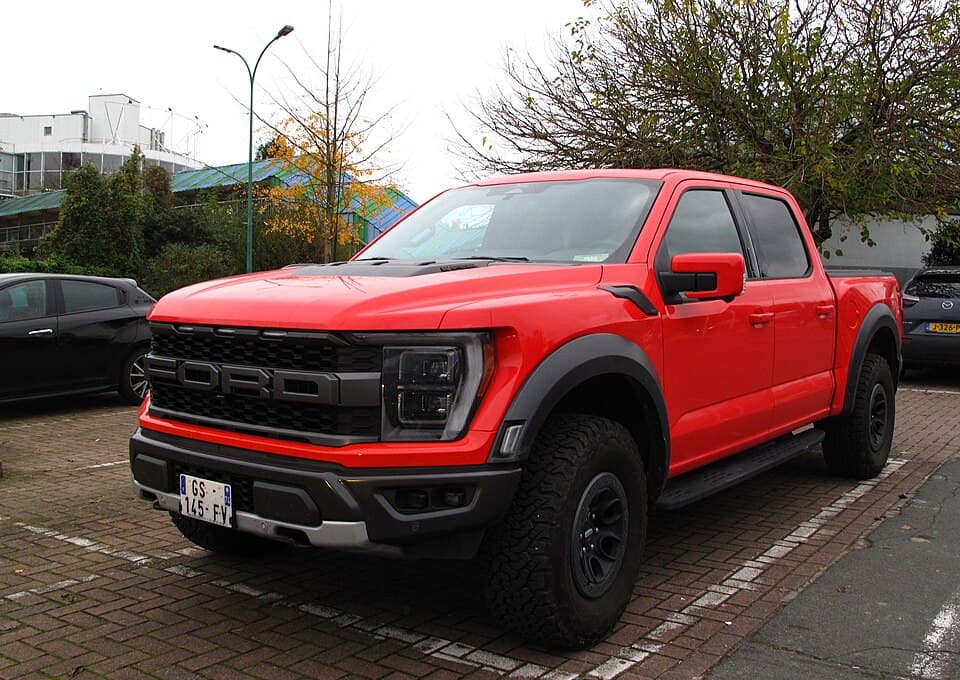
An extended warranty on a Raptor is a bet on a specific short list of expensive failures, not a general hedge. If you run the real numbers on those failures against a real premium, self-insuring wins for most owners of a newer Gen 3 F-150 Raptor or Raptor R still under factory powertrain coverage, and buying third-party coverage wins for high-mileage Gen 2 buyers stepping outside Ford's window. The math changes by generation, by engine, and by how many miles are already on the clock, so do not answer this question the same way for a 2013 and a 2023.
The failures that actually drive the math
This is not a truck with a vague reputation for being expensive to fix. It has four specific, well-documented failure points, and an extended warranty only has value relative to what those four things cost out of pocket.
Cam phaser rattle. The 3.5L EcoBoost in Gen 2 trucks (2017-2020) uses a phaser (a variable valve timing unit bolted to the front of each camshaft) that wears and starts rattling on cold start. The fix path ranges from an oil and filter change that does nothing, to a full phaser and timing chain kit that runs into four figures in parts and labor. We ranked every fix by cost in the Gen 2 cam phaser rattle breakdown, and the spread between the cheap fix and the real fix is the entire argument for a warranty on a phaser rattle claim. Ford redesigned the 3.5L EcoBoost for the Gen 3 truck that launched for the 2021 model year, and while the newer engine is not immune to every EcoBoost issue, the phaser rattle complaint is overwhelmingly a Gen 2 story.
Turbo failure. The 3.5L EcoBoost in both Gen 2 and Gen 3 trucks can develop turbo problems. Symptoms are boost lag, a whine that climbs with RPM, and eventually smoke or a check engine light. Replacement is not a bolt-on part swap on this engine, and the 3.5 EcoBoost turbo failure article has the labor-hour reality and the cost range. This is one of the two failure modes most likely to make a warranty pay for itself in one visit.
IWE grinding. The IWE (integrated wheel end, the vacuum actuator that locks the front hubs for 4WD) fails on a long list of F-150-based Raptors going back to Gen 1, and it announces itself with a grinding or clicking noise from the front wheels, usually in 2WD. It is cheap relative to the other three failures on this list, and the full cost breakdown is in why your IWE is grinding. Do not let a dealer quote you phaser-level money for this. It is not that job.
10R80 transmission shudder. The 10-speed 10R80 automatic behind the 3.5L EcoBoost, in Gen 2 and Gen 3 trucks, can develop a harsh 1-2 shift or a torque converter shudder under light throttle. Sometimes a fluid and filter service and a relearn fixes it. Sometimes it is a torque converter, and that is where the number in the dek, a repair that runs into the thousands, comes from. The 10R80 shift and shudder writeup walks through how shops diagnose it and what separates the cheap fix from the expensive one.
Add those four up and you have the entire reason this question is worth asking. A cam phaser job, a turbo, and a transmission repair are each individually capable of costing more than a year of extended warranty premiums. That is the argument for buying coverage. The fact that none of them are guaranteed to happen, and Ford's base powertrain warranty already covers a chunk of the truck's early life, is the argument against.
What Ford's powertrain warranty actually covers, and for how long
Every new Raptor, Ranger Raptor, and Bronco Raptor comes with Ford's factory powertrain warranty, which covers the engine, transmission, and drivetrain for a set number of years and miles from the original in-service date. Confirm the exact term for your build date with your dealer or your owner's documentation, since Ford has adjusted terms across model years and it is not worth guessing wrong here.
The point that matters more than the exact number: a phaser rattle, a turbo failure, or a transmission shudder that shows up while the truck is still inside that window is Ford's problem, not yours, and not an extended warranty's either. Do not buy coverage that duplicates what you already have. The entire extended-warranty decision only becomes live once you are looking at a truck that is at or past the edge of factory powertrain coverage, which is exactly why this question gets asked most often by used-Raptor shoppers.
A TSB (technical service bulletin, a repair procedure Ford issues to dealers for a known issue) is not free money. It tells a dealer tech how to diagnose and fix a documented problem correctly. If your truck is out of warranty, a TSB existing does not obligate Ford to pay for the repair, though it can be the difference between a tech guessing and a tech doing the right job the first time. Goodwill, where Ford or a dealer covers part of an out-of-warranty repair anyway, is discretionary. It happens more often on a truck with full service history and one owner, and it is never something you can bank on before you buy.
Ford ESP versus third-party coverage
Ford's own Extended Service Plan (ESP) and third-party warranty companies both sell you the same basic promise: pay a premium now, get named repairs covered later. In practice they differ in a few ways that matter on a truck like this.
Ford ESP claims get processed at a Ford dealer using Ford parts and Ford's own diagnostic procedures, which matters on a truck where misdiagnosing a phaser rattle as an oil issue, or a transmission shudder as a torque converter when it is a valve body, is a real and common failure mode for shops that do not see EcoBoost trucks daily. A third-party plan may be cheaper up front, but claims get adjudicated by a company that did not build the truck, and the fine print on what counts as a covered failure varies by provider and by plan tier. Some third-party plans exclude sensor and electronic component failures that turn out to be the actual root cause of a phaser or turbo complaint, which is where owners get denied claims they thought were covered.
Neither of these numbers is something we will state as fact here, because plan pricing varies by dealer, by state, by the truck's mileage and generation, and by how aggressively you negotiate at the point of sale. Get an actual quote for your specific VIN and mileage before doing any of this math. What we can tell you with confidence: read the exclusion list before you read the price.
The self-insure argument
Self-insuring means you take whatever an extended warranty would have cost you and put it in a separate account instead of paying a warranty company, then you pay real repairs out of that account as they happen.
This wins when three things are true at once: the truck is inside or close to Ford's factory powertrain coverage window, you have the cash discipline to actually leave that money alone instead of spending it, and you are the kind of owner who can get independent diagnosis on a phaser rattle or a shift shudder instead of taking the first dealer quote at face value. A 3.5L EcoBoost turbo failure or a transmission shudder repair does not happen to every truck. If it never happens to yours, the self-insure account is money you kept. If a warranty premium disappears into a company that denies your claim on a technicality, it is gone either way.
Self-insuring loses when the truck is already showing a symptom. If you are reading this because your Gen 2 already has a cold-start rattle, buying coverage today so it can pay for a phaser job next month is not insurance, it is a bet the underwriter will lose every time, which is why warranty companies inspect trucks and exclude pre-existing conditions before binding a policy. Be honest about what your truck is already telling you before you shop coverage.
What to check in the contract on a modified truck
This is the section that gets skipped and then gets someone denied a claim. If your Raptor has any of the following, read the exclusions section of any warranty contract line by line before signing:
- A tune. A performance tune changes boost and timing tables on the 3.5L EcoBoost or the supercharged 5.2L in the Raptor R. Most warranty providers, Ford ESP included, can deny a powertrain claim if they determine the tune caused or contributed to the failure, and proving a tune did not cause a turbo or phaser failure after the fact is on you, not them.
- A supercharger upgrade. A Whipple supercharger upgrade on a Raptor R is a fundamental change to the engine's operating envelope. Any warranty company covering the drivetrain downstream of that change will look hard for a reason to deny.
- Larger tires and wheels. 37s change the load and rotational mass on the axles, hubs, and transmission. Some contracts exclude drivetrain claims on a truck running significantly larger tires than stock, particularly on the front axle where IWE and CV components live.
- Aftermarket exhaust and intake. An MBRP exhaust or aFe cold air intake rarely triggers an exclusion on its own, but stacked with a tune it strengthens a provider's case that the truck is running outside factory parameters.
None of this means a modified Raptor cannot carry a warranty. It means you need the exclusion language in front of you, not a sales rep's verbal assurance, before you decide the coverage is worth the premium on a truck with a tune and 37s already installed.
Honest verdict by generation and mileage
| Truck | Mileage / age situation | Lean |
|---|---|---|
| Gen 3 F-150 Raptor (2021-2023), 3.5L EcoBoost | Many of these are now several years old, some already near the edge of factory coverage | Borderline, confirm your remaining term before assuming self-insure is the easy call |
| Gen 3 F-150 Raptor (2024+), 3.5L EcoBoost | Well within factory powertrain coverage for most owners | Self-insure, coverage is likely redundant |
| Raptor R (2023+), supercharged 5.2L V8 | Still within or near factory powertrain coverage | Self-insure while covered, but price a real quote given what repairs run on this engine, see what a Raptor R actually costs to own |
| Gen 2 F-150 Raptor (2017-2020), under 60k miles | Still inside or just past factory coverage | Borderline, price both paths with a real quote |
| Gen 2 F-150 Raptor (2017-2020), 80k+ miles, no symptoms yet | Well outside factory coverage | Third-party or Ford ESP has real value here |
| Gen 2 F-150 Raptor with existing phaser rattle or shift shudder | Symptomatic now | Do not buy coverage, budget the actual repair |
| Gen 1 F-150 SVT Raptor (2010-2014) | Long out of any factory coverage | Self-insure, most third-party providers price these high or decline older high-mileage trucks |
If you are shopping used and this math is part of your decision, it belongs next to the rest of the pre-purchase checklist, not after you have already bought. The used Gen 2 buying guide and the Gen 3 warranty-math buying guide both walk through what to check before you sign, and checking for an existing phaser rattle or shift shudder before you buy is worth more than any warranty contract you sign after.
The short version
- The entire extended-warranty decision is really a bet on four documented failures: cam phasers, the turbo, the IWE, and the 10R80 transmission. Price those four before you price the warranty.
- If your Raptor is still inside Ford's factory powertrain warranty, buying extra coverage is usually paying twice for the same protection. Confirm your remaining term by build date, not by model year alone, since Gen 3 trucks from 2021-2023 are getting old enough that this is no longer automatic.
- A used Gen 2 past 80,000 miles with no factory coverage left is where third-party or Ford ESP coverage earns its premium.
- If your truck already has a symptom, coverage will not retroactively cover it. Budget the real repair instead.
- A tune, a supercharger upgrade, or 37s do not automatically void coverage, but read the exclusion language before you buy, not after you file a claim.
Owner questions
- Should I buy an extended warranty for my 2024 Ford Raptor still under factory coverage?
- No, self-insure instead. A Gen 3 Raptor from 2024+ is well within factory powertrain coverage for most owners, so extra coverage is likely redundant. The engine, transmission, and drivetrain are already covered by Ford's factory powertrain warranty for a set term from the in-service date, making paid coverage a duplicate expense.
- What are the main mechanical failures that make an extended warranty worth considering on a Raptor?
- Four documented failure points drive the decision: cam phaser rattle in the 3.5L EcoBoost (2017-2020 Gen 2 trucks), turbo failure in the 3.5L EcoBoost across Gen 2 and Gen 3, IWE (integrated wheel end) grinding going back to Gen 1, and 10R80 transmission shudder or harsh 1-2 shifts. A phaser job, turbo, or transmission repair can each individually cost more than a year of warranty premiums.
- Is it worth getting a warranty on a Gen 2 Raptor with 80,000+ miles and no symptoms?
- Yes, this is where third-party or Ford ESP coverage has real value. A Gen 2 F-150 Raptor (2017-2020) with 80k+ miles is well outside factory coverage, and repairs like a full phaser and timing chain kit or a transmission torque converter replacement can run into four figures or thousands of dollars, making the premium worthwhile if no symptoms exist yet.
- My Gen 2 Raptor already has a cold-start rattle, should I buy coverage now to cover the repair?
- No, do not buy coverage. A cam phaser rattle already present means self-insuring or purchasing a policy now is not insurance, it is a bet the underwriter will lose every time, since warranty companies inspect trucks and exclude pre-existing conditions before binding a policy. Budget for the actual phaser and timing chain repair instead.
- Will a tune or 37-inch tires void my Raptor's extended warranty coverage?
- Not automatically, but read the exclusion language carefully. Most providers, including Ford ESP, can deny a powertrain claim if a performance tune is determined to have caused a turbo or phaser failure, with the burden of proof on you. Some contracts also exclude drivetrain claims on trucks running significantly larger tires like 37s, particularly affecting IWE and CV components on the front axle.
Deal alert
Shopping for one? Get new listings first
We sweep US dealer inventory and send you new Raptors matching your search — real listings, real asking prices, no spam.