Running Windrock Park in a Raptor: What to Know Before You Go
Windrock is 73,000 acres of Tennessee mountain trails, the biggest privately owned riding area in the country, and its rating system tells you exactly which of its 300+ miles a full-size Raptor belongs on. Here is the permit, the trail honesty, and the East Coast reality check.
Gear in this article
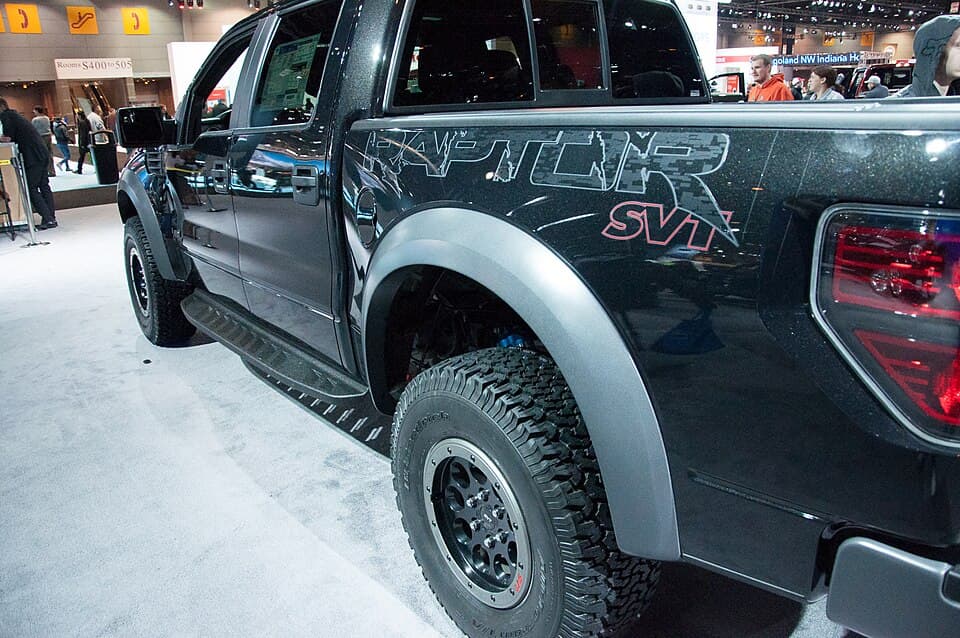
A full-size Raptor belongs on Windrock's green and blue trails, and on the two famous full-size routes, Trail 15/16 and Ivy Gap. The black-diamond shelf rock and the tight switchbacks that make this park famous on YouTube are built for a Side-by-Side or a buggy with 50 inches of width to play with, not a truck pushing 86-plus inches at the mirrors. Go in knowing which category you are and the day works. Go in thinking a stock or lightly-built Gen 2 Raptor can run everything on the map and you will either turn around at a rock ledge with your mirrors folded and your heart rate up, or you will not turn around in time.
What Windrock actually is
Windrock Park sits above Oliver Springs, Tennessee, on old coal-company land in the Cumberland Mountains, and it is the largest privately owned OHV park in the country: roughly 73,000 acres and more than 300 miles of marked trail. That scale alone puts it in a different category from a BLM area. There is a general store at the gate, a campground and cabins on site, and a staffed operation that has been running this land for off-road use for a long time. You are not sharing multi-use public land with hikers and mountain bikers on a wilderness permit system; you are paying a private landowner for access to a maintained trail network, and the maintenance and rescue infrastructure that comes with that is real and worth the fee.
The permit, and what it actually costs
Windrock runs a per-person permit model, not per-vehicle. Everyone riding, including passengers, needs one, sold at the general store or online in advance. Pricing is tiered: day passes, multi-day passes, and an annual pass for people who make the drive regularly. Treat any specific dollar figure you read anywhere, including here, as a snapshot that goes stale. Permit and camping fees at private parks move year to year, sometimes mid-season, so check Windrock's own site or call the store before you load the trailer. Camping and cabin rates are separate line items again, and both are worth booking ahead on a fall weekend when half of Knoxville has the same idea.
Reading the trail ratings honestly
Windrock uses a green/blue/black difficulty system, and the honest version of what that means for a full-size truck is this: green and blue trails are where a stock or mildly built Raptor spends its day, and black-diamond trails are mostly not for you.
The park's own black-rated routes through Appalachian shelf rock (flat, stacked sedimentary ledges that step up like stairs instead of the rounded granite boulders you'd find out west) were cut for vehicles with a wheelbase and width to match a Jeep or a side-by-side, not a SuperCrew. Add the switchbacks: many of the tightest sections were never widened for anything with a full-size bed and mirrors that stick out 80-plus inches. A stock Gen 3 Raptor or a Bronco Raptor can physically fit down some of these, but "fits" and "should" are different questions when a wrong line means a $6,000 fender and rocker bill on shelf rock that does not forgive a scrape.
Trail 15/16 and Ivy Gap are the two names that come up over and over as the legitimate full-size routes: wide enough, graded for a truck's turning radius, and still enough elevation and rock to make the drive worthwhile. Start there. Ask the folks at the general store which of the connecting greens and blues are running well that week before you commit to a loop, because conditions change faster here than the map does.
Mountain terrain versus desert: this is not whoops country
If your Raptor experience so far is Glamis or Johnson Valley, Windrock will reset your expectations. The factory Fox or King suspension on a Raptor is tuned to eat high-speed whoops and desert washboard, soaking up small, fast repetitive hits. That is not the terrain you'll be running here.
Windrock is low-speed technical: elevation changes, off-camber shelf rock, standing timber close enough to the trail to clip a mirror, and grades steep enough that you'll be on the brake and in low range more than you'll ever be on the throttle. Wheel travel and slow, controlled articulation matter more than shock valving tuned for speed. A Raptor's factory suspension travel is a real advantage for keeping tires planted over broken rock, but the truck's width and turning radius are working against you the entire time on anything but the wide trails. This is also where owners running 37s and remote-reservoir shocks, whether that's a King 2.5 coilover kit or a set of Fox 3.0 internal bypass shocks, start to feel the difference over slow rock crawling versus the desert compression they were bought for.
Mud, clay, and what East Tennessee weather does to a trail
Windrock runs year-round, and that is both the appeal and the catch. East Tennessee clay does not behave like desert sand or western hardpack. After rain, the clay lines on Windrock's lower and mid-elevation trails turn into a greasy, off-camber slick that a 33-inch all-terrain tire skates across instead of biting into. Owners who show up expecting a dry-weather trail day after a wet week end up either winching, waiting, or turning around.
Air down. The park's own guidance and repeat visitors both land in the same 18-22 psi range for most full-size trail work here, adjusted for tire and load. Lower helps the BFGoodrich KO2 or similar all-terrain tire find grip in clay that a tire at street pressure will not. A mud-terrain like the Nitto Ridge Grappler clears clay better than a straight all-terrain if you know rain is in the forecast. If you're still running the stock 35s that came on a Gen 2 Raptor, know that clay is where tire choice matters more than horsepower.
Check the forecast for the week before you go, not just the day of. Clay holds water and stays greasy for days after a storm has passed.
Lookouts, coal history, and why the park exists
Windrock's land was coal country before it was a riding park, and evidence of that is still visible along parts of the trail system: old mine benches, cut grades, and overlooks that exist because a mining company needed a road up a ridge, not because a trail designer wanted a view. The high points deliver genuine, unfiltered Cumberland Plateau views, layered ridgelines running out to the horizon with no development in the foreground. That history is also why some of the trail grades are as aggressive as they are; you're driving old industrial access roads and connector trails cut by people optimizing for hauling coal, not for a Raptor's departure angle. It gives the park a different character than a purpose-built OHV area, and it is worth slowing down at the overlooks instead of treating them as a photo stop on the way to the next trail number.
Cell service, and the one thing to do before you drop in
Cell coverage disappears in the hollows at Windrock, fully and often without warning. This is not a "spotty bars" situation, it is a "no signal for hours" situation on much of the property. Tell someone your planned route and expected return time before you head out, and know that if you break something on a black-diamond trail with no truck traffic, you may be walking or winching your way out well before you get a signal to call for help. A basic recovery kit, a winch like the Warn Zeon 10-S, and a synthetic rope are not optional accessories here, they're the difference between an inconvenience and an overnight problem.
The short version
- Run Trail 15/16 and Ivy Gap in a stock or lightly built full-size Raptor; stay off the black-diamond shelf rock and tight switchbacks unless you're in a Side-by-Side or buggy.
- Permits are per-person, sold at the gate or online, with day, multi-day, and annual tiers; treat any dollar figure as a range that changes, and check Windrock's own pricing before you go.
- This is slow, technical mountain terrain, not desert whoops: shelf rock, elevation, and trees favor low-range control over a suspension tuned for speed.
- After rain, East Tennessee clay gets slick fast; air down into the park's suggested 18-22 psi range and pick tires accordingly.
- Cell service vanishes in the hollows. Tell someone your route before you drop in, and carry real recovery gear.
Owner questions
- Which Windrock trails are actually appropriate for a full-size Raptor?
- Trail 15/16 and Ivy Gap are the two legitimate full-size routes—wide enough and graded for a truck's turning radius. Stick to green and blue trails generally; the black-diamond shelf rock and tight switchbacks are built for a Side-by-Side or buggy with 50 inches of width, not a truck pushing 86-plus inches at the mirrors.
- What tire pressure should I run for Windrock's clay trails?
- The park's own guidance and repeat visitors land in the 18-22 psi range for most full-size trail work, adjusted for tire and load. Lower pressure helps a tire like the BFGoodrich KO2 find grip in East Tennessee clay that turns greasy and off-camber after rain, when street-pressure tires just skate across it.
- How is Windrock's terrain different from desert riding at Glamis or Johnson Valley?
- Windrock is low-speed technical terrain—elevation changes, off-camber shelf rock, close standing timber, and steep grades needing low range—rather than high-speed whoops and washboard. Factory Fox or King suspension tuned for desert compression matters less here than wheel travel and slow, controlled articulation, which is why owners add King 2.5 coilovers or Fox 3.0 internal bypass shocks.
- Does Windrock charge per vehicle or per person, and what's it cost?
- Windrock runs a per-person permit model, not per-vehicle, and everyone riding, including passengers, needs one, sold at the general store or online. Pricing is tiered into day passes, multi-day passes, and an annual pass, but any specific dollar figure should be treated as a snapshot—check Windrock's own site or call before loading the trailer.
- What should I do about cell service and recovery gear before dropping into Windrock trails?
- Cell coverage disappears in the hollows fully and often for hours, not just spotty bars, so tell someone your planned route and expected return time before heading out. Carry a basic recovery kit, a winch like the Warn Zeon 10-S, and a synthetic rope, since these turn a broken part on a black-diamond trail from an overnight problem into just an inconvenience.
Deal alert
Shopping for one? Get new listings first
We sweep US dealer inventory and send you new Raptors matching your search — real listings, real asking prices, no spam.