Running Rausch Creek in a Raptor: What a Desert Truck Can (and Can't) Do on Rocks
Rausch Creek's rock-and-elevation trails are a different test than the dune runs the Raptor is tuned for. Here's which trails a stock or lightly built Raptor can actually handle, and where it gets embarrassed.
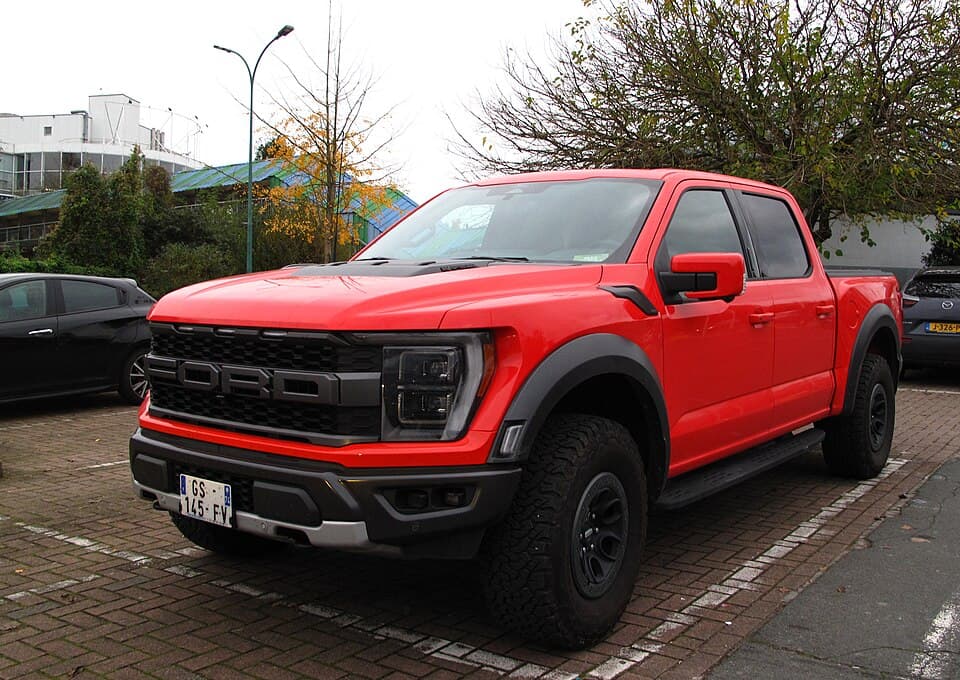
A stock Raptor can run the easy and moderate rated trails at Rausch Creek Off-Road Park without drama. It will not run the advanced rock lines, and no amount of tire pressure fiddling changes that: those trails are built for short-wheelbase buggies and dedicated rock rigs with lockers, low gearing, and armor the Raptor does not have from the factory. Know which trail you are on before you drop in. Rock damage on a full-size truck is a body shop bill, not a bent fender you hammer out yourself, and pretending otherwise is how a fun day gets expensive.
Rausch Creek sits on a former strip mine in Pennsylvania, and that history is exactly why the terrain is what it is. Instead of dunes or graded fire roads, you get exposed rock ledges, mud pits that do not drain, and elevation changes carved by decades of mining equipment rather than nature. The park runs a range of difficulty ratings across its trail network, and trail names and ratings change over time as the park adds terrain or reroutes washed-out sections. Pull up the current official trail guide before you go and check the rating on your specific route that day. Do not trust a two-year-old trip report, including this one, for which trail carries which rating this season.
Why this terrain is a different problem than the desert
Every Raptor, from the Gen 1 SVT truck through the current Gen 3, the Raptor R, the Ranger Raptor, and the Bronco Raptor, is engineered around a shared priority: survive high-speed impacts in open desert. The long-travel suspension, the shock tuning, the wide track width all exist to keep the truck composed at speed over whoops and washboard. That is a different load case than a rock trail, where you are moving at walking pace, placing tires on specific rock faces, and needing wheel travel that keeps power on the ground rather than travel that soaks up a hit.
The trucks are not identical here. The Bronco Raptor is the closest thing Ford builds to a rock-capable factory truck in this lineup, since the standard Bronco line offers locking differentials and a two-speed transfer case with genuine low range, features the Bronco Raptor carries into a wider, more powerful package. The F-150 Raptor (Gen 1 through Gen 3) and the Raptor R do not get a locking front differential from the factory, and their low-range gearing, where equipped, is nowhere near as aggressive as a dedicated rock truck's. The Ranger Raptor is the smallest and shortest-wheelbase of the group, which helps its approach and departure geometry, but it shares the same "desert first" suspension philosophy and the same lack of factory lockers as the full-size trucks. Check the drivetrain and transfer case specs for your specific model year against Ford's published data before you assume what your truck has, because this has changed across generations and trims.
Rock crawling rewards low-range gearing, locking differentials, and short overhangs. Most Raptors have none of the first two stock, and their overhangs are tuned for departure over sand berms, not clearance over a rock ledge that will catch a bumper or a rocker panel. This is the same mismatch we found when we ran the truck at Moab: a stock Raptor handles graded slickrock and moderate ledges fine, but it gets outclassed on anything rated for a built Jeep. Rausch Creek's rock sections run tighter and more technical in character than Moab's open slickrock, which does not help the mismatch.
Which trails are realistic for a stock or lightly built Raptor
Treat the park's own rating system as the real answer, and use the following as a way to think about it once you have the current guide open, not as a substitute for it.
Easy-rated trails, the ones built around graded paths, moderate grades, and wide lines, are within reach of a stock Raptor on its factory all-terrain tires. These trails exist for beginners and for full-size vehicles, and a Raptor's long-travel suspension will actually make them comfortable rather than punishing.
Moderate-rated trails are where it gets truck-specific. If the trail description in the current guide mentions loose rock, moderate ledges, or short technical sections but not sustained rock crawling, a Raptor with stock ground clearance and a set of aggressive all-terrains or mud-terrains can usually get through with careful line choice and a spotter on the tighter sections. This is where the extra width of a full-size Raptor over a standard F-150 starts to matter, since you have less margin on both sides in a rutted lane. The Ranger Raptor and Bronco Raptor's narrower footprints give a little more breathing room here.
Advanced and rock-crawling-rated trails are not a Raptor problem to solve with tire pressure or a spotter. These trails typically call for locked axles, low gearing well beyond what most factory transfer cases in this lineup offer, and minimal front and rear overhang. If the trail guide flags a trail as requiring a locker or rates it for buggies and heavily modified rigs, skip it, regardless of which Raptor you drive. This is not a truck that gets there with patience; for the F-150 Raptor, Raptor R, and Ranger Raptor especially, it is a driveline that does not get there at all.
Tire pressure and line choice for rock, not sand
Everything you know about running low pressure in the dunes works against you here. Desert running calls for dropping pressure to increase the tire's footprint and float over loose sand. Rock terrain wants a different instinct.
- Keep pressure closer to your street setting, or drop only modestly, roughly 3-5 psi below your normal on-road number as a starting point, and adjust from there based on the trail surface. Very low pressure on rock increases the chance of a sidewall pinch against a sharp edge, which sand simply does not present.
- Pick lines that put a tire's sidewall, not its tread face, away from sharp rock. On rock ledges you are choosing exactly where a tire lands, not floating over the whole surface the way you do in sand.
- Go slow and use momentum only where the trail guide or a spotter calls for it on a specific obstacle. Desert habits reward committing to speed; rock trails punish it.
- Air back up before you leave the rock sections if you are moving between terrain types in the same day. Rausch Creek's mix of rock and mud means you may be re-adjusting more than once.
Protection that actually matters here
If you are running anything past the easy-rated trails, the stock front bumper and stock rocker panels are the first things that take a hit. A well-built aftermarket bumper changes the approach angle and gives you a steel edge instead of a plastic fascia; see our breakdown of aftermarket Raptor front bumpers, what fits and what they weigh before you buy one, since weight on the nose changes handling on everything else you do with the truck, including the dune runs it was built for.
Brakes matter more on a rock trail than most owners expect, not for stopping distance but for modulation. Crawling down a rock ledge at walking speed needs a pedal you can feather, and the stock brake package on most Raptors was not tuned with that in mind. Our guide to Raptor brake upgrades that actually help a 6,000-lb truck covers what is worth the money if you are going to make this a regular stop and not a one-time trip.
Rock sliders are the other piece worth having if you plan to run moderate trails with any regularity. Stock rocker panels on any Raptor generation, or on the Ranger Raptor and Bronco Raptor, were not designed to take a rock hit, and a single bad line on a tight trail can turn into a repair bill well above what a set of sliders would have cost, though the exact number depends on the truck, the shop, and how much of the panel gets torn up.
The honest verdict
Rausch Creek is a legitimate destination for a Raptor if you stick to the easy and lower moderate trails and treat the advanced rock sections as a spectator sport. The park's terrain genuinely rewards a purpose-built rock rig in a way that no amount of Raptor-specific mods fully closes for the F-150 Raptor, Raptor R, or Ranger Raptor. A Gen 2 or Gen 3 with 37s, a bumper, and sliders will have a good day on the moderate network. It will not, and should not try to, follow a buggy up the advanced lines. The Bronco Raptor, with factory lockers and real low range, has a genuine edge here over the rest of the lineup, though it is still not built the way a stripped rock crawler is.
If your build goal is genuinely dedicated rock work, a Raptor of any flavor is the wrong base truck no matter how much you spend on it; that money is better spent on a vehicle with real lockers and low-range gearing from the start. If your goal is a desert-tuned truck that can still have a fun day on rock and mud terrain a few times a year, Rausch Creek is a good trip, provided you read the current trail guide honestly and do not let ego pick the line.
The short version
- Stock or lightly built Raptors are fine on Rausch Creek's easy and moderate rated trails; skip anything rated for lockers or buggies.
- Verify current trail names and ratings against the park's official guide before you go, since OHV networks change, and check your specific model's transfer case and locker equipment against Ford's published specs rather than assuming.
- Run pressure closer to street level on rock, not dune-low, and choose lines that protect sidewalls.
- A bumper and slider setup, plus real brake feel, matter more here than in the desert. A truck built purely for rock crawling is the wrong tool regardless of which Raptor you own, and the Bronco Raptor's factory lockers and low range make it the closest thing to an exception.
Deal alert
Shopping for one? Get new listings first
We sweep US dealer inventory and send you new Raptors matching your search — real listings, real asking prices, no spam.