Ranger Raptor vs. Chevy Colorado ZR2: Which Mid-Size Off-Roader Actually Wins
Both trucks chase the same buyer with turbocharged power and trick dampers, but they solve the off-road problem in different ways. Here's which one actually fits your terrain, budget, and daily use.
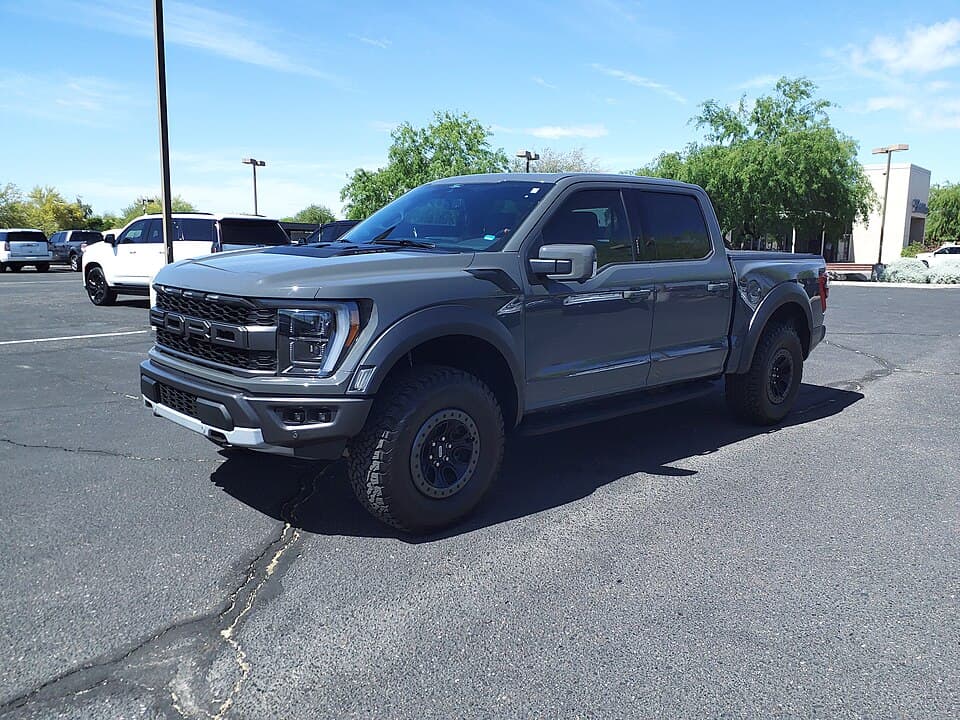
The Ranger Raptor wins if your off-roading is desert running, whoop sections, and sustained high speed over rough terrain. The Colorado ZR2, especially the Bison, wins if your terrain is rock-strewn, low-speed, and technical, and you want a factory truck that does not need $3,000 in armor before its first real trail. Both start life as a turbocharged mid-size truck with trick dampers, but Ford and Chevy solved the off-road problem with different priorities, and that difference shows up the moment you leave pavement.
This is not a spec-sheet tie. Read on for where each one actually wins.
The powertrains: torque-alike, nothing alike to drive
On paper these two look close. The Ranger Raptor runs a 2.7L EcoBoost twin-turbo V6 widely cited around 405 hp and 430 lb-ft, full engine and 0-60 numbers here. The Colorado ZR2 runs a 2.7L turbocharged inline-4 cited around 310 hp and matching 430 lb-ft. Both figures move slightly by model year and trim, so pull the current spec sheet for the exact truck you are pricing before you argue horsepower with anyone.
The torque number being identical does not mean the trucks feel identical. The Ranger's V6 with two turbos spreads that torque across a wider band and revs with more urgency, which is what you want climbing a dune face or maintaining momentum through a rough wash at speed. The Colorado's inline-4 with a single turbo makes its torque lower in the rev range and holds it flatter, which suits low-speed rock crawling where you want predictable, non-spiky power delivery rather than a truck that wants to surge.
In practice: the Ranger Raptor feels like a smaller, lighter version of a full-size Raptor's power delivery. The ZR2 feels like a diesel-adjacent torque motor bolted to a gas truck, which is a compliment for rock work and a mild knock for anyone expecting V6 drama.
The suspension philosophy: two different answers to the same question
This is where the trucks actually diverge, and it matters more than the horsepower numbers.
The Ranger Raptor runs Fox Live Valve dampers, electronically adjustable shocks that read the terrain and change valving in real time. This is the same basic idea Ford runs on the full-size Raptor, covered in detail on the Gen 3 Live Valve suspension breakdown. The system is built to let the truck run fast and flat over repetitive terrain like whoops and washboard, softening and firming the damper multiple times a second so the chassis does not pack down and buck.
The Colorado ZR2 runs Multimatic DSSV (dynamic suspensions spool valve) dampers, a spool-valve design that is mechanically simpler and has no electronics to fail. DSSV shocks control damping through a spool valve rather than a stack of shims, which gives more consistent, predictable damping through a full range of shaft speeds. There is no live adjustment happening, the tune is fixed, but the tune Multimatic runs on the ZR2 is built for control at low speed over sharp, irregular terrain, not for absorbing repeated high-speed impacts.
Translate that to trail behavior: point the Ranger Raptor at a rough desert road or a whoop section and it will keep the front end planted and the cab quieter than the ZR2 at the same speed, because the dampers are actively working to cancel out the repetitive hits. Point the ZR2 at a rock ledge or a slow technical climb and the fixed-valve DSSV shocks give you a more linear, predictable wheel response, which is exactly what you want when you are placing a tire on a specific rock rather than blowing through a wash at 50 mph.
Neither system is "better" in the abstract. They are built for different jobs, and the trucks around them were built to match.
Trims, pricing, and where the Bison changes the math
Both trucks gate their real off-road hardware behind the top trim, so cross-shopping only makes sense at the top of each ladder.
The Ranger Raptor is a single, fully-loaded trim, no stripped base version with the Fox Live Valve suspension exists. Recent used-market data on this site shows Ranger trucks (base Ranger, not isolated Raptor-only figures) averaging in the mid-$50,000s to low-$60,000s across the 2024-2026 model years, and the Raptor trim carries a real premium over the lineup average. Ford's official current-year MSRP should be pulled directly from Ford before you budget, since both automakers adjust pricing and content year to year.
The Colorado ZR2 has more ladder to it. The ZR2 sits below the Bison package, which adds AEV-designed (American Expedition Vehicles) skid plates, rock sliders, and a front winch-capable bumper straight from the factory, no aftermarket armor shopping required. The base ZR2 gets you the DSSV dampers and the drivetrain, but the Bison is the trim that actually matches the Ranger Raptor's from-the-factory armor.
Here is the honest way to compare the two trucks that most owners actually cross-shop:
| Ranger Raptor | Colorado ZR2 | ZR2 Bison | |
|---|---|---|---|
| Adjustable damping | Fox Live Valve (electronic) | Multimatic DSSV (fixed spool valve) | Multimatic DSSV (fixed spool valve) |
| Factory armor | Underbody skids, tow hooks | Skid plates, no rock sliders standard | AEV skid plates, rock sliders, winch-ready bumper |
| Engine | 2.7L twin-turbo V6, ~405 hp | 2.7L turbo I4, ~310 hp | 2.7L turbo I4, ~310 hp |
| Best terrain fit | High-speed desert, whoops | Technical low-speed trail | Technical low-speed trail with armor already on |
Do not treat any dollar figure above as locked. Both companies move pricing mid-year and by region, and dealer markup on either truck can swing the real transaction price well past MSRP depending on your market and how badly people want the truck that month.
Cab, bed, and whether either one actually works as a daily
Both trucks come as a crew cab with four full doors, so the cab argument is close. Where they separate is bed length and how that bed gets used. The Ranger Raptor's bed is genuinely tight for a truck this size and this is a common complaint, which the site covers in detail in Is the Ranger Raptor Actually Big Enough?. If you tow a dirt bike, haul lumber regularly, or need to sleep two people flat in the bed on a trip, measure before you commit.
The Colorado's crew cab and bed combination gives up a little in outright off-road capability but claws it back in daily usability. The bed is a more conventional length for the class, and rear seat space is comparable to the Ranger's, neither one is generous, both are workable for adults on short trips and children full time.
If your truck spends five days a week doing driveway and grocery-run duty and two weekends a month doing the terrain each was built for, the Colorado's slightly more conventional proportions make it the easier truck to live with. If the truck exists primarily for the weekend runs and the daily commute is a tolerated cost, the Ranger Raptor's tradeoffs matter less.
Which one actually wins
There is no tie here, the right answer depends on where you actually drive.
- Desert running, high-speed trail work, sustained whoops: the Ranger Raptor. The Fox Live Valve system and the twin-turbo V6's power delivery are built for exactly this, and nothing in the Colorado lineup matches it at speed.
- Rock-strewn low-speed trails, technical climbs, and a truck that shows up trail-ready without spending on armor: the Colorado ZR2 Bison. The DSSV dampers, the AEV protection package, and the flatter torque delivery of the inline-4 suit slow, deliberate wheel placement better than the Ranger does.
- Daily livability with occasional trail use: lean Colorado ZR2, non-Bison, for the lower price point and slightly more usable bed and cab package, unless the Ranger's tighter proportions genuinely do not matter for how you use a truck.
Neither truck is the wrong buy. They are built for different terrain, and the honest move is to be clear with yourself about which terrain you actually run before the badge on the tailgate decides it for you.
The short version
- Ranger Raptor: twin-turbo V6, ~405 hp, Fox Live Valve electronic dampers, built for desert speed and whoops.
- Colorado ZR2 / Bison: turbo inline-4, ~310 hp, Multimatic DSSV fixed-valve dampers, built for low-speed technical rock trails, and the Bison adds factory AEV armor the Ranger does not offer at any price.
- Pull current-year MSRP from Ford and Chevy directly before budgeting either truck, and cross-shop only at the top trim on each side, since the off-road hardware that defines both trucks is trim-gated.
- Pick the terrain first, then pick the truck. This comparison does not end in a tie.
Deal alert
Shopping for one? Get new listings first
We sweep US dealer inventory and send you new Raptors matching your search — real listings, real asking prices, no spam.