How Long Do Ford Raptors Last? Mileage Reality by Generation
A maintained Raptor is a 200,000-mile truck built on proven F-150 hardware, but each generation has its own mileage gates. Here is what actually kills them, and what it takes to avoid it.
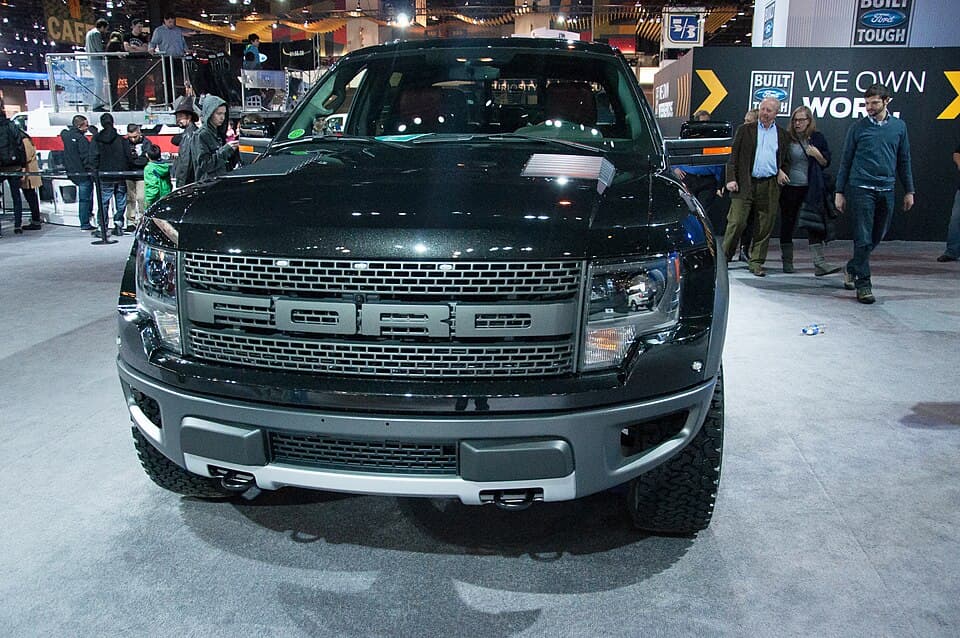
A maintained Ford Raptor is a 200,000-mile truck, full stop. The engines in every generation are proven F-150 hardware, not something exotic bolted in for the Raptor badge, and the failure modes that actually end a Raptor's life are deferred maintenance on a short list of known wear items and hard off-road use that never gets inspected afterward. The generation you're looking at changes which items are on that list.
The short answer, generation by generation
| Generation | Engine | What actually gates the mileage | Realistic ceiling with maintenance |
|---|---|---|---|
| Gen 1 (2010-2014) | 5.4L Triton (2010), 6.2L V8 (2011-2014) | Cam phaser wear, age-related rust on the steel body | 200,000+ on the 6.2L |
| Gen 2 (2017-2020) | 3.5L EcoBoost twin-turbo | Cam phasers, internal water pump | 200,000+, phasers and pump addressed |
| Gen 3 (2021-present) | 3.5L EcoBoost, revised | Reduced phaser issue, still watch the water pump | Too new to confirm past 150,000, trending better |
| Raptor R (2023-present) | 5.2L supercharged Predator V8 | Too new for a mileage verdict, supercharger service is the unknown | Unproven past roughly 50,000-70,000 |
That doesn't mean every Raptor sails to 200,000 trouble-free. It means the ones that don't almost always have a maintenance gap or an off-road stress event in their history, not a design that wears out on a schedule.
Gen 1 (2010-2014): mechanically simple, honestly old now
The Gen 1 SVT Raptor is the easiest of the four to reason about. The 6.2L V8 that arrived in 2011 is naturally aspirated, with none of the direct-injection carbon buildup or turbo plumbing of the later trucks. Owners running 200,000 and 250,000 miles on a 6.2L with routine oil changes are not rare on enthusiast forums. The 2010 model year is the outlier, running the 310 hp 5.4L Triton before the 6.2L arrived, and it does not carry the same reputation for longevity. Confirm which engine is under the hood before you weigh a 2010 the same as a 2011-and-later truck.
What actually limits a Gen 1 at this point is age, not the drivetrain. These trucks are now 12 to 16 years old. The 6.2L does develop a cam phaser rattle, most noticeable on a cold start past 90,000 miles, and it is a real repair, budget $2,200-4,000 depending on whether the shop needs to pull the cab. Gen 1 is also the only Raptor generation with a steel body rather than aluminum, so rear-quarter and frame rust in salt-belt trucks is a genuine inspection item that no oil change fixes.
Gen 2 (2017-2020): the phasers and the water pump are the mileage gates
Gen 2 swapped in the twin-turbo 3.5L EcoBoost, and it is the generation with the most well-documented issue history, mostly because there are more of these trucks on the road with more miles on them.
Two items gate how far a Gen 2 goes. The cam phaser rattle (the variable valve timing units bolted to the front of each camshaft wearing until they knock on cold start) shows up across 2017-2020, worst on the earliest trucks, and it is well-priced into the used market at this point. For the full repair-path breakdown and what each fix costs, read our cam phaser rattle guide.
The second item is an internal water pump failure past roughly 80,000 miles that lets coolant leak into the engine oil, which is less talked about than the phaser rattle but arguably more serious, since coolant-contaminated oil causes bearing damage a phaser repair never will. Pull the dipstick on any Gen 2 you're evaluating and look for a milky, coffee-with-cream tint.
Addressed on both fronts, a Gen 2 has no structural reason not to reach 200,000 miles. The EcoBoost architecture underneath is shared with hundreds of thousands of regular F-150s running well past that number.
Gen 3 (2021-present): better, not different, and still building a track record
Gen 3 carries the same 3.5L EcoBoost family forward with running changes, and the cam phaser issue that defined Gen 2 shows up less often on 2021-2022 trucks and keeps improving on 2024-and-later refresh trucks. Less often is not the same as solved, so the same cold-start listen test still belongs in any pre-purchase check, and the water pump concern carries over too since it is the same basic engine family. Beyond the engine, the five-link coil rear suspension replacing the old leaf springs has held up well, though the earliest trucks had a documented Watt's link clunk Ford addressed under warranty.
The honest limitation here is data. The oldest Gen 3 trucks are only a few years old, so nobody has a real-world 200,000-mile Gen 3 population to point to the way Gen 1 and Gen 2 owners can. Everything about the architecture says it should match or beat Gen 2's longevity; confirm that against your dealer's coverage rather than assuming it. For where each generation sits on used pricing and which specific year to target, see our best year to buy guide.
Raptor R (2023-present): honest early-days uncertainty
The Raptor R runs a supercharged 5.2L Predator V8, a genuinely different engine from the EcoBoost family in every other current Raptor, and it is too new to have a mileage verdict at all. The truck launched in 2023, so the highest-mileage examples on the road are still relatively low. The supercharger's own service needs (belt, snout bearing, and drive components) are an added maintenance layer that the other three generations simply don't have, and there isn't yet a large population of Raptor R trucks through a full service cycle on it.
None of that is a reason to expect trouble. It is a reason to say plainly that anyone claiming a specific 200,000-mile track record for a Raptor R is guessing. Budget for supercharger service on the schedule in the owner's manual, and treat the early-days uncertainty as real.
What a 100,000, 150,000, and 200,000-mile Raptor actually needs
At 100,000 miles, a well-kept Raptor should already be past its first set of spark plugs (EcoBoost direct-injection plugs wear differently than a naturally aspirated engine's), a transmission fluid service, and a first look at the water pump on Gen 2 and Gen 3 trucks. At 150,000, front suspension wear items, ball joints, and IWEs (integrated wheel ends, the vacuum actuators that lock the front hubs into 4WD) are common enough that finding one already replaced is a good sign, not a red flag. By 200,000, expect a second transmission service, wheel bearings, and on a Gen 1, a hard look at frame condition if the truck lives anywhere that sees road salt.
None of these are Raptor-specific horror stories. They're the same wear items that show up on any F-150 at the same mileage, because underneath the wide fenders and the long-travel suspension, that's exactly what these trucks are.
How off-road use changes the math
A Raptor is engineered for hard off-road use in a way a regular F-150 is not, and normal desert running, rock crawling, or trail driving does not shorten its life on its own. What does change the math is landing jumps hard and never inspecting the truck afterward. A hard landing stresses the frame, suspension mounts, driveshaft U-joints, and skid plates in ways that don't always announce themselves with a noise.
If the truck jumps regularly, add a post-session habit: check the Fox or King shock reservoirs for leaks or punctures, look underneath for fresh scrapes or bent skid plates, and cycle the front lockers to confirm they still release. A truck that's been jumped hard and never looked at is a different risk than one that's seen the same terrain with an owner who checks it every trip.
The maintenance schedule that actually gets you to 200,000
Follow Ford's severe-duty schedule, not the normal one, if the truck sees regular off-road or towing use, since severe duty shortens the oil and fluid intervals in the owner's manual. Beyond standard oil changes, the items that matter most on these trucks specifically: a cold-start listen for cam phaser rattle on any 6.2L or EcoBoost engine, proactive water pump attention on Gen 2 and Gen 3 once past 80,000 miles, transfer case and differential fluid changes on the interval in the current Ford workshop manual, and front-end wear items (ball joints, UCAs, IWEs) checked any time the truck is up on a lift. Torque everything to the value in the current workshop manual for your model year, not a forum number, including ours.
So, are Ford Raptors reliable
Yes, with the caveats attached to every generation above. The engines are not the weak point on any of these trucks; they are variations on hardware Ford has built by the hundreds of thousands across the regular F-150 lineup. The real risk is a truck that skipped phaser and water pump attention on Gen 2 or early Gen 3, a Gen 1 with hidden frame rust, or any generation driven hard off-road and never inspected after. Buy on service history, listen to a cold start yourself, and budget for the known items on your specific generation, and 200,000 miles is a realistic target, not an optimistic one.
Owner questions
- How long do Ford Raptors last?
- A maintained Ford Raptor is a 200,000-mile truck, full stop. Gen 1's 6.2L V8 and Gen 2's 3.5L EcoBoost both realistically hit 200,000+ once cam phasers and, on Gen 2, the internal water pump are addressed. Gen 3 is trending better but unconfirmed past 150,000, and the Raptor R is unproven past roughly 50,000-70,000 miles.
- Are Ford Raptors reliable long term?
- Yes, with caveats attached to each generation. The engines aren't the weak point since they're hardware Ford builds by the hundreds of thousands across the regular F-150 lineup. Real risk comes from skipped phaser and water pump attention on Gen 2 or early Gen 3, hidden frame rust on Gen 1, or hard off-road driving never inspected afterward.
- How much does a cam phaser repair cost on a Ford Raptor?
- On a Gen 1 6.2L, the cam phaser rattle is a real repair costing $2,200-4,000 depending on whether the shop needs to pull the cab. It's most noticeable on a cold start past 90,000 miles. The same cold-start listen test applies to Gen 2 and Gen 3 EcoBoost engines, where the issue is well-priced into the used market.
- What is the water pump issue on Gen 2 and Gen 3 Ford Raptors?
- Gen 2 EcoBoost trucks can suffer an internal water pump failure past roughly 80,000 miles that lets coolant leak into the engine oil, causing bearing damage. It's less talked about than cam phaser rattle but arguably more serious. Check the dipstick for a milky, coffee-with-cream tint; the same concern carries over to Gen 3's shared engine family.
- Is the Ford Raptor R reliable, and how many miles can it go?
- It's too new for a mileage verdict. Launched in 2023, the Raptor R's supercharged 5.2L Predator V8 hasn't accumulated a large population of trucks through a full service cycle, making its ceiling unproven past roughly 50,000-70,000 miles. The supercharger's belt, snout bearing, and drive components add a maintenance layer other Raptor generations don't have.
Deal alert
Shopping for one? Get new listings first
We sweep US dealer inventory and send you new Raptors matching your search — real listings, real asking prices, no spam.