Ford Raptor 6R80 Transmission Problems: What Gen 1 Owners Actually Run Into
The first-generation Raptor uses the 6R80 six-speed automatic, not the 10R80 found in later trucks, and it has its own separate wear patterns. Here's what actually fails on high-mileage 6R80s and what it costs to fix.
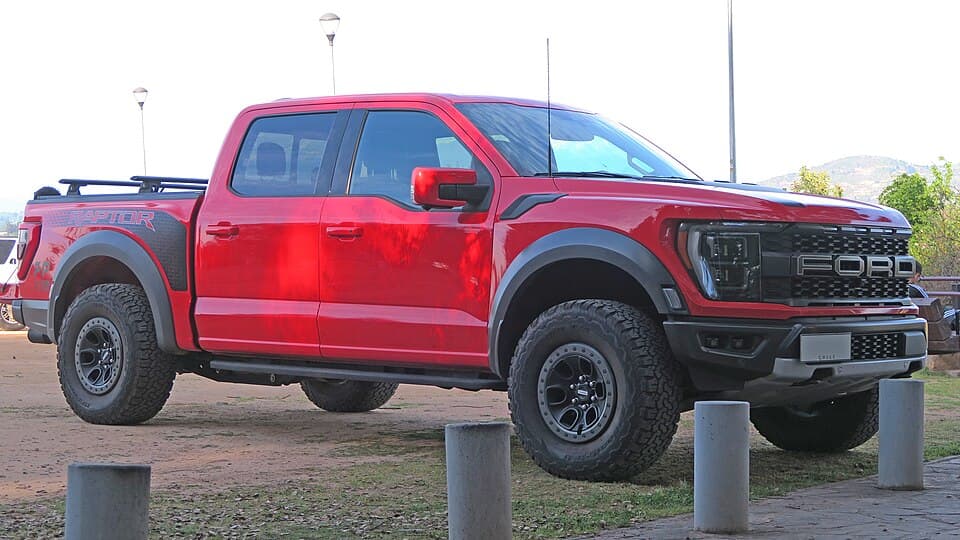
The 6R80 six-speed automatic is the transmission behind every first-generation Raptor, model years 2010-2014, both the 5.4-liter and the 6.2-liter V8. Ford switched to the 10R80 ten-speed starting with the Gen 2 Raptor in 2017, so if your truck is a 2017 or newer, the failure modes and fluid advice in this piece do not apply to you. Go read our 10R80 fluid change interval and cost guide or the 10R80 harsh shift and torque converter shudder writeup instead.
If you own a Gen 1, here is the short answer: the 6R80 is a genuinely durable transmission, borrowed from a platform Ford and GM co-developed and used across millions of F-150s, Mustangs, and Expeditions. It is not a weak point the way the early 3.5 EcoBoost cam phasers were on Gen 2. But at higher mileage, Gen 1 owners consistently report a handful of specific symptoms, and knowing what they are before you buy or before you diagnose a shop's quote will save you money.
What actually goes wrong on a high-mileage Gen 1 6R80
None of what follows is universal. These are the failure patterns that show up repeatedly across Gen 1 owner forums and independent transmission shops that work on these trucks. Treat frequency claims as directional, not as a guaranteed outcome for your specific truck.
Torque converter shudder. This shows up as a light vibration or shudder, usually felt around 40-55 mph under light throttle, most noticeable during a light cruise or gentle acceleration in the 2-3 shift range. It comes from the torque converter clutch (the internal clutch that locks the converter to the engine to eliminate slip) not engaging cleanly, often tied to degraded or contaminated fluid rather than a hard mechanical failure. This is the single most commonly reported 6R80 complaint on Gen 1 trucks with 60,000+ miles, and it is also the cheapest of these problems to try to fix first.
Harsh or delayed shifts, especially the 1-2 and 2-3 shift. Owners describe a clunk or a flare (the engine revs before the gear actually catches) when accelerating from a stop or during part-throttle driving. This can be adaptive shift strategy relearning after a battery disconnect, contaminated fluid, or, less commonly, wear in the shift solenoid pack (the electro-hydraulic valves that direct fluid to engage each gear). Solenoid wear is a real but less frequent cause than shudder complaints, and shops sometimes jump straight to a solenoid replacement when the actual fix is a fluid and filter service plus a relearn.
Slipping or delayed engagement into gear from Park or Neutral. Reported less often than the two issues above, but it shows up in high-mileage trucks (100,000+ miles) with fluid that has never been serviced. It is consistent with worn clutch packs inside the transmission rather than a solenoid or fluid problem alone, which pushes the repair from a service into a rebuild.
Complete failure. Rare on the 6R80 relative to some competing transmissions of the same era, but it happens, almost always preceded by one of the symptoms above going ignored for tens of thousands of miles. A transmission that is shuddering or flaring and gets driven hard on 35s or 37s for another 20,000 miles is a transmission that eventually stops shifting at all.
If you want the wider picture on what fails on these engines and drivetrains as a system, our 3.5 EcoBoost problems by year piece covers the Gen 2 side, but for the 5.4 and 6.2 V8s paired with this transmission, the 6R80 itself is usually the weaker link before the engines are.
Is there a TSB for any of this
Ford has issued technical service bulletins (a TSB is a documented repair procedure for a known issue, not a recall and not free work) covering shudder complaints and shift quality on 6R80-equipped trucks over the years, including F-150s outside the Raptor line. Bulletins get revised and superseded, and which one applies depends on your exact build date and complaint. Do not go into a dealer citing a TSB number you found on a forum. Describe the symptom, let the service writer pull the current bulletin for your VIN, and ask them directly whether a bulletin exists for your complaint. If your truck is out of the 5-year/60,000-mile powertrain warranty, and virtually every Gen 1 Raptor now is, a TSB just tells the shop what repair to perform. It does not make Ford pay for it.
What fluid and service interval actually make sense
This is where owners get bad advice from two directions. Ford's original position on many 6R80 applications was effectively a fill-for-life transmission, no scheduled fluid change under normal service. Independent transmission shops and a lot of experienced Raptor owners disagree with that in practice, and we think they have the better argument for a truck used the way Raptors get used.
A "normal service" F-150 commuting on pavement is not the same duty cycle as a Raptor that tows, gets driven hard, sees desert whoops, or spends time at higher ambient temperatures with a torque converter working overtime. Heat is what kills automatic transmission fluid, and heat cycling is exactly what off-road driving and towing produce.
Our recommendation for Gen 1 6R80 trucks: a fluid and filter service somewhere in the 60,000-100,000 mile range, and again every 50,000-60,000 miles after that, sooner if the truck sees regular towing, trailing, or desert running. Use the fluid type specified in the current Ford workshop manual for your model year, typically a Mercon-specification fluid for this transmission family, and confirm the exact spec and fill procedure before you or a shop does the job, since a wrong fluid or an incorrect fill level on this transmission can cause the exact shudder and harsh-shift symptoms described above. This is a pan-drop-and-refill service on most Gen 1 trucks, not a full flush, and a flush is generally not recommended on a transmission with unknown fluid history because it can dislodge clutch material and cause the shifting problems it was meant to prevent.
What it costs to fix
| Repair | What it addresses | Estimated cost range |
|---|---|---|
| Fluid and filter service | Shudder, minor harsh shifts, preventive maintenance | $200-450, parts and labor |
| Shift solenoid pack replacement | Confirmed solenoid-related harsh shifts or codes | $500-1,200, depending on access and labor rate |
| Torque converter replacement | Confirmed converter shudder that a fluid service does not resolve | $1,200-2,200 |
| Full rebuild or remanufactured unit swap | Clutch pack wear, slipping, failure to engage | $2,500-4,500, wider if a shop finds additional damage |
Every one of those numbers is a regional estimate, not a quote. Labor rates alone swing by $50-80 an hour between regions and between a dealer and an independent shop, and a rebuild quote depends heavily on whether the shop uses a remanufactured unit, rebuilds your existing case, or sources from a specialty 6R80 builder that upgrades known wear parts. Get two or three quotes before committing to a rebuild, and ask specifically whether the quote is for a rebuild of your unit or a remanufactured exchange unit, since those differ in both price and turnaround time.
What to check before you buy a used Gen 1
If you are shopping a used Gen 1 Raptor, the transmission check is quick and it tells you a lot:
- Drive it cold and drive it warm. Shudder symptoms sometimes only show up once the fluid is at operating temperature.
- Accelerate gently from a stop and again from a rolling 30-40 mph. Listen and feel for a clunk, a flare, or a shudder specifically in the 1-2 and 2-3 shift.
- Ask for maintenance records and specifically ask whether the transmission fluid has ever been serviced. No records is not disqualifying on a 6R80, but it is a mark against a high-mileage truck.
- Have a shop pull codes. A stored transmission code, even an intermittent one, is worth negotiating on.
- Check the truck's full history against the rest of our used Gen 1 Raptor buying guide, since a Gen 1 with an ignored transmission usually has other deferred maintenance too.
For the bigger-picture question of whether a Gen 1 at a given mileage is a smart buy at all, our how long do Ford Raptors last by generation piece breaks down realistic mileage expectations across all four generations, and the 6R80 does not meaningfully shorten that number on a truck that has been serviced.
The short version
- Gen 1 Raptors (2010-2014) use the 6R80 six-speed automatic. Gen 2 and later use the 10R80 ten-speed, a different transmission with its own separate problem list.
- The most commonly reported issue is light shudder around 40-55 mph, usually tied to fluid condition and often fixable with a proper fluid and filter service before you spend money on parts.
- Ford's "fill for life" stance does not match how most owners use these trucks. A fluid and filter service around 60,000-100,000 miles, and every 50,000-60,000 miles after, is cheap insurance against the more expensive failures.
- Budget $200-450 for a service, $1,200-4,500 if you're already into converter or rebuild territory, and treat every number here as a starting point for shop quotes, not a fixed price.
- On a used Gen 1, a five-minute test drive covering both a cold start and a warm highway pull will catch most of what actually goes wrong with this transmission.
Deal alert
Shopping for one? Get new listings first
We sweep US dealer inventory and send you new Raptors matching your search — real listings, real asking prices, no spam.