Running the Superstition Mountains in a Raptor: What a Stock Truck Can and Can't Do
The Superstition Mountains OHV area near Apache Junction, Arizona sees a steady stream of Raptors, but rocky, technical sections separate the easy loops from the ones that need real ground clearance and skills. Here's what a stock Raptor handles, where it gets nervous, and what to bring.
Gear in this article
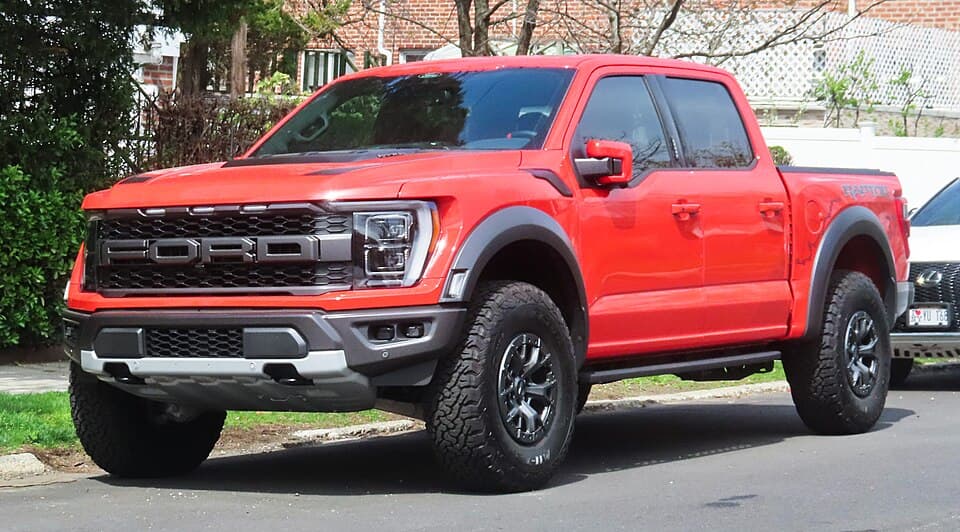
Stock gets you through most of the Superstition Mountains OHV system on factory tires and suspension, but there are rock shelf sections and tight canyon routes in there that will put a stock front bumper and running boards into the rocks. A Raptor with 35s or 37s, a real skid plate package, and rock sliders changes the math on the technical stuff. A bone-stock truck on street-pressure tires does not.
Before you go: trail names, current difficulty ratings, and the permit situation for this area change, and we have not re-verified them for this piece. Parts of the Superstitions sit on Tonto National Forest land and parts sit on Arizona State Trust Land, and those two land managers historically have had different access rules and permit requirements. Treat that split as a starting point, not a confirmed fact for your trip, and call the relevant Tonto National Forest ranger district and the Arizona State Land Department directly to confirm current trail status, closures, and whether a state land recreational permit is required before you load the truck. Nothing in this piece should substitute for that call.
What a stock Raptor handles without drama
The open wash sections and the graded or lightly rutted OHV routes around Apache Junction are exactly what a Raptor is built for. Long-travel suspension soaks up whoops and washboard at speed, and factory ground clearance clears most of the rutted two-track without drama. Stock tire sizing varies by generation and trim: a Gen 2 Raptor runs a 315/70R17 BFGoodrich KO2, commonly rounded off by owners as "a 35" even though it measures slightly smaller, and Gen 3 sizing depends on trim and whether the truck has the factory 37 package, so check the door jamb sticker on the specific truck in front of you rather than assuming.
This is the part of the trip system that sells Raptors in the first place: fast, flowing desert terrain where the truck's weight and travel are an advantage, not a liability. A stock Gen 2 or Gen 3 on street-pressure tires will embarrass itself less here than most owners expect walking in nervous about their first desert trip.
Where a stock truck gets nervous
The technical sections are a different conversation. The Superstitions have rock-strewn canyon routes and ledge-and-shelf climbs that are closer to a slow-speed rock crawl than a desert run, and that is where a stock Raptor runs out of margin. The factory skid plating is adequate for gravel and small rock strikes at speed, not for dragging a rocker panel across a shelf at a walking pace. Rock sliders are not standard equipment on any Raptor trim, which means the first hard contact on a rock ledge is hitting sheet metal or a factory running board, not a sacrificial steel bar.
Our skid plate breakdown covers which factory plating actually does something and where it is mostly weight. For the Superstitions specifically: if you are running the rockier sections, a real underbody package like the SVC Offroad skid plate package or the Juggernaut USA Full Skid Plate Package, paired with something like Rago Fabrication rock sliders, is the difference between a scraped plate and a torn oil pan or a crushed rocker. Budget roughly $1,500-3,000 for a skid package plus sliders depending on brand and whether you DIY the install, and that range swings hard on labor if a shop bolts it on for you.
Approach and departure angle also bite stock trucks in the tighter canyon sections, where ledges and step-ups are steeper than anything in the open wash terrain. A stock Raptor's factory geometry is good for a half-ton, not great for technical rock, and that gap shows up fast once you are off the graded trail.
Tires: where stock ends and 35s/37s start
Tire choice matters more here than almost any other single decision. The factory KO2 is a capable all-terrain tire, but on sharp volcanic rock, sidewall puncture resistance and a lower-pressure crawl setup both matter more than they do in sand. Owners running the technical Superstition sections tend to step up to a stickier or more aggressive 37, something like the Nitto Ridge Grappler or the Toyo Open Country A/T III, and air down further than they would on a graded trail.
Our 35s versus 37s tradeoff breakdown covers the real costs: fender clearance, gearing, speedometer error, and the install bill. Our cost of putting 37s on a Gen 2 Raptor piece walks through the full number, and most owners land somewhere in the low thousands once wheels, tires, and a tune are all accounted for. For this specific trail system, the honest takeaway is that 37s buy you more sidewall and more clearance on the rock sections, but they are not required for the open wash and graded portions of the area, so do not let a shop talk you into a 37-inch package you only need for twenty minutes of a four-hour day.
Desert prep: heat, water, and season
Arizona desert heat near Apache Junction is brutal in the summer months, enough that most owners plan trips for fall through spring rather than guessing at a specific temperature that will be wrong by the time you read this. Afternoon highs swing hard by month and by year, and a forecast check the week of your trip matters more than any seasonal rule of thumb we could print here.
Water crossings are not the defining feature of this trail system the way they are at a river-crossing destination, but washes do flash flood during Arizona's summer monsoon season, and a dry wash can go from nothing to dangerous in under an hour. If you do hit standing water after a storm, our Raptor wading depth guide covers what the factory air intake and electronics can actually tolerate across generations, and the honest answer for most Raptors is: less than owners assume.
Fuel, recovery, and cell coverage
Apache Junction has fuel and basic services at the edge of the OHV area, but exact station locations, hours, and how far into the trail system you lose that convenience all need a current check before you go, not a guess from an old trip report. Cell coverage drops out fast once you are into the canyons, so download offline maps before you leave pavement and do not count on a signal to call for recovery. If you are running the technical sections alone, a basic recovery kit, something like a Warn Zeon 10-S winch mounted behind a real front bumper, and a way to communicate without a cell network (a satellite communicator or a group with a second vehicle) is not optional gear, it is the plan.
How this compares to Moab
If you have run or read about Moab, the Superstitions are a different kind of hard. Moab's slickrock gives you predictable, high-traction friction even on steep faces, which is why a surprising amount of a stock Raptor's capability shows up there, as covered in our stock-Raptor-in-Moab breakdown. The Superstitions are loose, sharp, volcanic rock terrain where traction is less predictable and sidewall and belly protection matter more than tire grip alone. A truck set up for Moab is not automatically set up for the Superstitions, and vice versa. If you are weighing whether a Gen 2 or a Gen 3 makes more sense as your next desert-and-rock truck, our Gen 2 vs Gen 3 buying breakdown covers the suspension and clearance differences that actually matter out here.
The short version
- A stock Raptor on factory tires handles the open wash and graded OHV routes around Apache Junction without issue.
- The technical rock and ledge sections reward a truck with 37s, real underbody skid protection, and rock sliders, and will scrape or stick a bone-stock truck.
- Confirm current trail names, difficulty, and permit requirements with Tonto National Forest and the Arizona State Land Department before you go. We have not re-verified the exact permit split for this piece, and access rules here can change by season and fire restriction.
- Go fall through spring, carry offline maps for the cell dead zones, and do not treat a dry wash as permanently dry during monsoon season.
- This is a stock-truck-friendly trip for the easy loops and an intermediate-to-advanced trip for the technical canyon sections, not a destination where a stock truck sees everything the area has to offer.
Deal alert
Shopping for one? Get new listings first
We sweep US dealer inventory and send you new Raptors matching your search — real listings, real asking prices, no spam.