Gen 3 Raptor Common Problems (2021-Present): The Full List
Comprehensive guide to the most common issues with the Gen 3 Ford Raptor, including symptoms, affected years, and repair costs.
Gear in this article
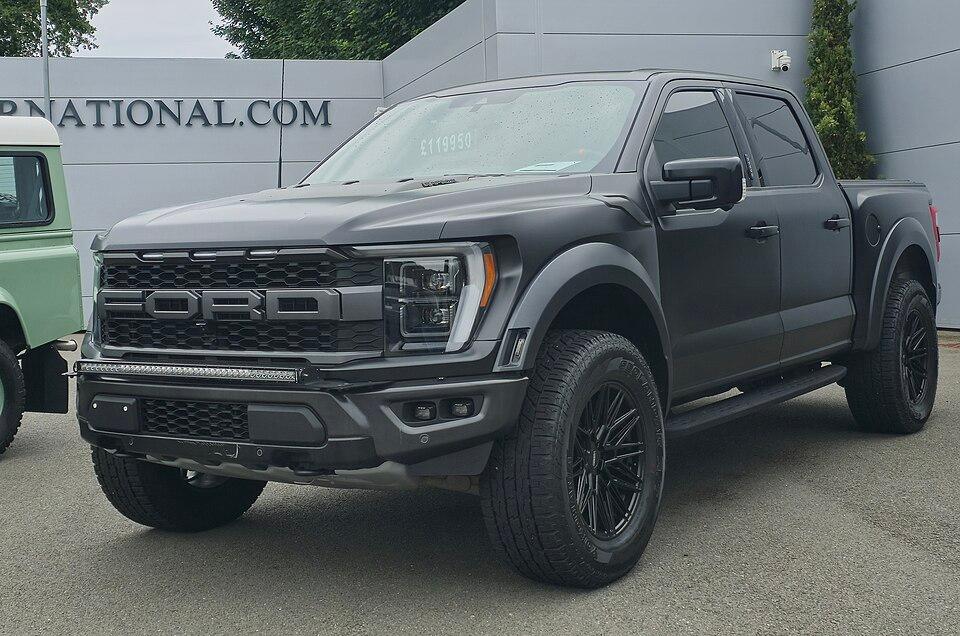
The short list: cam phaser rattle on early engines, Watt's link clunk from under the bed, Live Valve sensor faults, and SYNC 4 screen reboots. None of these are structural, and the Gen 3's underlying 3.5L HO EcoBoost (450 hp at 5,850 rpm, 510 lb-ft at 3,000 rpm) is a meaningfully revised engine from the Gen 2's, not a carryover. Most of what shows up on a Gen 3 is cheaper and less frequent than what hit the Gen 2, but it is not zero, and a couple of these are worth a real pre-purchase check before you sign.
This is the problem reference for the Gen 3 F-150 Raptor, 2021 to present. For the full spec rundown, see the Gen 3 F-150 Raptor truck page.
Cam phaser rattle, smaller than Gen 2 but not gone
Symptom: a cold-start rattle from the front of the engine, usually gone within a second or two once oil pressure builds.
Affected years: mostly 2021-2022 trucks. Ford revised the phaser hardware and the variable cam timing calibration as the Gen 3 run matured, and later trucks report it less often, though nobody has published a failure rate worth quoting.
What it is: the cam phasers (the variable valve timing units bolted to the front of each camshaft) losing oil pressure fast enough on shutdown that they rattle against their stops on startup. It is the same mechanism as the well-documented Gen 2 issue, just with updated hardware and a different oil control strategy.
Fix: updated phaser hardware and a reflash if a dealer confirms the noise is phaser-related and not valvetrain tick or exhaust manifold ticking, which get misdiagnosed as the same thing constantly.
Cost: $0 under powertrain warranty (5 years/60,000 miles on the engine from original in-service date), $2,600-5,000 out of pocket if you are past that window, swinging on whether the shop pulls the front cover or does it in the vehicle. If you hear this on a 2021 or 2022 truck still under warranty, get it documented at a dealer now rather than waiting for it to get worse. The mechanism and the fix path are covered in detail in the Gen 2 cam phaser rattle cost breakdown, which applies in large part to early Gen 3 engines too.
Water pump: a wear item, not a documented Gen 3 problem
Earlier versions of this page listed a chain-driven internal water pump that leaks past roughly 80,000 miles. We could not source that. On the F-150's 3.5L EcoBoost the water pump is belt-driven and bolted to the front of the engine, per Ford's workshop manual, and Ford's parts catalog sells a separate pump pulley for the 3.5L EcoBoost F-150. NHTSA's bulletin file has no Ford TSB, SSM, or recall for a failing pump on this engine, and none of the 57 NHTSA owner complaints that mention a 2017-or-later Raptor mention it (NHTSA complaint data, Nov 2026).
What to watch: the coolant level, and any wetness or dried coolant crust at the front of the engine. Like any truck's pump it can wear out eventually, with no mileage we can attach to it. The Raptor water pump article has the full sourcing.
Watt's link and trailing arm bushing clunk
Symptom: a clunk or squeak from under the bed over speed bumps, driveway aprons, and low-speed direction changes.
Affected years: 2021-2024.
What it is: the Watt's link (the rear suspension linkage that locates the axle side to side on the coil-sprung Gen 3 rear end) and its trailing arm bushings working loose or wearing under repeated flex. It is annoying, not dangerous, and gets worse before it gets better.
Fix: retorque the hardware at ride height first. A loose bolt, not a worn bushing, is the more common cause and costs almost nothing to fix. If the clunk persists after retorque, the bushings themselves need replacement.
Cost: roughly $150 to retorque (shop labor, estimate), $500-900 for bushing replacement if retorquing does not solve it.
Live Valve sensor and module faults
Symptom: a suspension service message on the dash, dampers stuck in one fixed mode regardless of drive mode selected.
Affected years: 2021 and later, across every Gen 3 and Raptor R trim with the factory Fox Live Valve shocks (the electronically adjustable damping system, not an aftermarket product, so no link needed there as stock hardware).
What it is: most often a ride height sensor or its wiring harness, not the dampers themselves. The module reads bad data from a sensor and defaults to a safe fixed-damping mode to protect the system. Occasionally the module itself needs replacement.
Fix: sensor or link replacement is common, module replacement is less so. Either requires a suspension recalibration afterward.
Cost: $350-800, depending on whether it is a sensor or the module. Full symptom breakdown and cost detail live in the Gen 3 Live Valve shocks article and the Live Valve suspension explainer.
SYNC 4 black screen and reboot loops
Symptom: the center screen goes dark on startup or cycles through the boot logo repeatedly. The backup camera feed dies along with it.
Affected years: 2021-2023, concentrated in the early SYNC 4 software builds before Ford pushed several over-the-air fixes.
Fix: check for a pending over-the-air update first, most of these resolve with current software. If the truck will not take the update or the fault persists after updating, the APIM (the module that runs infotainment) needs replacement.
Cost: $0 for an OTA fix, $900-1,400 for an APIM replacement if software does not resolve it.
37 Package rub at full lock
Symptom: contact between the tire and the inner fender liner, or the lower splash shield, at full steering lock combined with full suspension compression, like turning hard into a driveway apron.
Affected years: 2021 and later, trucks built with the factory 37 Performance Package only.
Fix: trim the front liner corner and adjust the steering stops. This is a known characteristic of running 37-inch tires at factory ride height and factory offset, not a defect, and it is covered in more depth in the 37 Performance Package worth-it article.
Cost: $0-300, mostly labor for trimming and stop adjustment.
Turbo wastegate actuator rattle
Symptom: a metallic chatter at idle that tracks with turbo spool, not valvetrain timing.
Affected years: 2021 and later.
Fix: actuator replacement. Shops generally do both turbos at once since labor to access one is most of the labor to access both.
Cost: roughly $500-1,100 per side, estimate, swinging on parts sourcing and whether the shop does one side or both in the same visit.
Panoramic roof and B-pillar rattles
Symptom: a creak or tick over washboard roads that sounds structural and is not.
Affected years: 2021 and later, panoramic roof equipped trucks.
Fix: clean and lubricate the roof tracks, reseat interior trim clips around the B-pillar. This is a trim and seal issue, not a body issue.
Cost: $150-500.
12V drain and battery management faults
Symptom: a dead truck after sitting roughly four days, or a battery management warning message after a jump start.
Affected years: 2021 and later.
Fix: battery replacement paired with a proper battery management system reset through the vehicle's software, not just swapping the battery. If the drain repeats after a fresh battery, have a shop run a parasitic draw test before replacing anything else.
Cost: $250-500.
Rear coil sag under heavy payload
Symptom: the rear end sits noticeably low with a loaded bed or a tongue-heavy trailer, more than you would expect from a coil-sprung truck.
Affected years: 2021 and later, inherent to the coil-over-shock rear suspension design, not a failure.
Fix: accept the trade-off (this truck is tuned for off-road articulation, not payload), or add a set of airbags on the trailing arms if you tow or haul regularly. A Deaver add-a-leaf pack is a leaf-spring solution and does not apply to the Gen 3's coil rear end, so skip that mod on this truck specifically.
Cost: $600-1,400 for airbags installed.
What to check before buying a used Gen 3
- Verify the 37 Package by wheels and tire size, not by badges. The real package runs beadlock-capable forged wheels with 37x12.50R17 tires like the BFGoodrich KO2 37x12.50R17.
- Drive it over a speed bump at walking pace with the windows down and listen for the Watt's link clunk described above.
- Confirm whether it is a 2024-or-later refresh truck. The refresh changed the front end styling, shock tuning, and both interior screens, and is covered in the 2024 Ford Raptor specs and value page.
- Cycle every drive mode and watch for a suspension fault message, which flags Live Valve sensor issues and sometimes indicates a truck that has seen deep water or deep dust.
- Check the SYNC update history in the settings menu. A truck that has never taken an OTA update has either been offline for a long stretch or has a module refusing updates, worth asking about directly.
- Ask about towing history and look for a hitch. The coil rear end is excellent in the dirt and merely adequate under a tongue-heavy trailer, covered in the Raptor towing capacity article.
- Inspect the front skid plate, valance, and lower A-arms. Scuffs on the skid plate are normal. A bent A-arm or a creased valance means the truck hit something with real speed behind it.
- Cold start it anyway, even on a late-model truck. The phaser issue is smaller on Gen 3, not absent.
For the full used-buying walkthrough with warranty math by build date, see the Gen 3 used buying guide. Used Gen 3 prices currently average $58,678 for 2021 trucks up through roughly $72,762 for 2024 trucks in live listings, with 2025 trucks averaging $82,400, so the warranty window you are buying into matters as much as the price itself.
The short version
- The Gen 3's real problems are cam phaser rattle (mostly 2021-2022, $0 under warranty, $2,600-5,000 out), Watt's link clunk ($150 to retorque first), and Live Valve sensor faults ($350-800).
- None of these are drivetrain-stopping failures, and none are comparable in scope to the issues that defined early Gen 2 ownership.
- Before buying used, check the 37 Package authenticity, drive it over a speed bump, confirm pre- or post-refresh, and inspect the front end for impact damage.
- If a 2021 or 2022 truck is still inside its 5-year/60,000-mile powertrain warranty and you hear cold-start rattle, get it documented now rather than waiting.
Deal alert
Shopping for one? Get new listings first
We sweep US dealer inventory and send you new Raptors matching your search — real listings, real asking prices, no spam.