2010 Ford Raptor: Specs, Problems, and What to Pay
Explore the 2010 Ford Raptor's specifications, common issues, and used car values. Find out what to check before buying.
Gear in this article
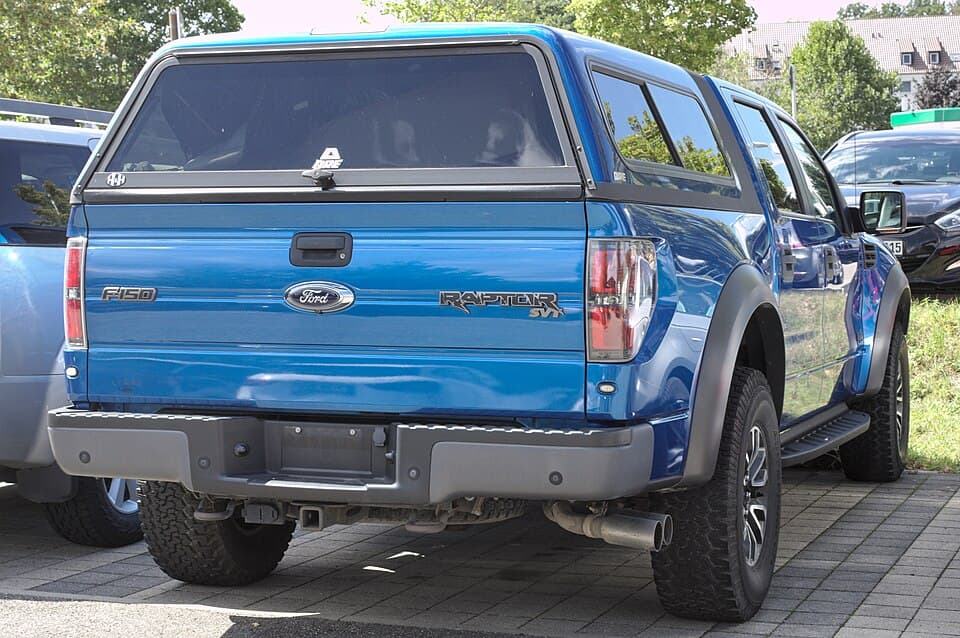
The 2010 Ford Raptor is the truck that started it all: the first model year of the SVT Raptor, built on the F-150 platform with suspension travel nobody else was selling on a half-ton. It launched with the 5.4L Triton V8 as the standard engine, and Ford added the 6.2L Boss V8 as an option partway through the model year. If you are shopping one now, the honest range for a clean example is roughly $28,000 to $45,000, and which engine is under the hood moves that number more than almost anything else.
2010 Ford Raptor specifications
| Spec | 5.4L Triton V8 | 6.2L Boss V8 |
|---|---|---|
| Horsepower / torque | 310 hp / 365 lb-ft | 411 hp / 434 lb-ft |
| Transmission | 6R80 six-speed automatic | 6R80 six-speed automatic |
| Rear axle | 4.10 gears, electronic locking diff | 4.10 gears, electronic locking diff |
| Availability | Standard, early 2010 production | Mid-year option, 2010 |
Everything else on the truck is shared across both engines. Front suspension runs on Fox Racing Shox 2.5 internal bypass shocks with roughly 11.2 inches of front wheel travel and 12.1 inches in the rear, ground clearance sits around 9.8 inches, and it rides on 315/70R17 BFGoodrich All-Terrain tires. Curb weight is close to 6,000 lbs, payload is modest for a half-ton at roughly 930 lbs, and towing tops out around 6,000 lbs. The fuel tank holds 26 gallons. Period EPA estimates put fuel economy around 11 mpg city / 16 mpg highway, but treat that as an approximation rather than a number to hold Ford to: fuel economy labels and testing methods from this era are not always documented consistently truck to truck, and real-world mileage on 35-inch-class tires in regular 4WD use tends to land lower anyway. For the full year-by-year spec breakdown across the generation, see the F-150 SVT Raptor generation page.
5.4L or 6.2L: what you're actually buying
A 2010 can carry either engine, and it matters more than most buyers expect going in. The 5.4L is the same 3-valve Triton V8 Ford used across the F-150 lineup at the time, built down for an SUV-weight truck with middling power for the application. The 6.2L Boss V8 that arrived mid-2010 is the engine Ford intended the Raptor to have, and from 2011 on it was the only engine offered. The power gap in the table above is the whole story: a 6.2L truck pulls noticeably harder, sounds better, and holds value better on the used market.
Check the door jamb build sticker and the engine code before you trust a listing description, because sellers get this wrong constantly. The difference is not cosmetic. If you're deciding between the two, Gen 1 Raptor: 5.4 vs 6.2, and which one to actually buy walks through the tradeoff in more detail than a buying checklist can.
Common issues on a 2010 Raptor
These problems show up across the whole Gen 1 run (2010-2014), not just the 2010 model year, but a truck that's now been on the road for roughly a decade and a half is the one most likely to be showing them rather than facing them for the first time.
| Issue | Symptom | Affected years | Typical cost |
|---|---|---|---|
| Cam phaser rattle (6.2L) | Diesel-like rattle on cold start, worse past 90k miles | 2010-2014 | $2,200-4,000 |
| Exhaust manifold stud failure | Cold-start tick that fades as the manifold heats up | 2010-2014 | $600-1,600 |
| Rear leaf sag / axle wrap | Rear sits low, squats under throttle, shudder on hard hits | 2010-2014 | $650-1,400 installed |
| 6R80 shudder / harsh 1-2 | Vibration at 40-50 mph, hard clunk into 2nd cold | 2010-2014 | $400 fluid / $1,800-2,600 converter |
| Frame and quarter-panel rust (salt states) | Scale near rear shock mounts, bubbling above wheel arches | 2010-2014 | $800-2,500 |
All five cost ranges above are estimates pulled from typical shop quotes, not a fixed number from Ford, and they will swing with your region and whether you use a dealer or an independent shop.
Cam phaser rattle is the one that scares buyers most, and for good reason: the fix means new phasers, tensioners, timing chains and guides plus a PCM reflash, not just a part swap. We have a cost breakdown by repair path on the Gen 2 cam phaser rattle guide; the symptom and repair scope are comparable on a Gen 1 6.2L, though exact part numbers differ by generation and engine, so confirm with your shop before paying for parts.
Rear leaf sag is close to universal on a truck this age that's seen real use. Most owners fix it with a Deaver leaf spring pack or an equivalent replacement pack from another spring maker, plus new shackles and U-bolts, rather than trying to save the stock leaves.
6R80 shudder gets misdiagnosed constantly, including by shops that jump straight to a converter replacement when a full fluid exchange and valve body inspection would have found the real problem first. For a deeper rundown on what actually cures this versus what just masks it, see 6R80 transmission problems on Gen 1 trucks.
None of these are covered by Ford's powertrain warranty on a 2010 at this point; that coverage expired years ago regardless of mileage. A TSB (a published repair procedure Ford issues to shops, not a promise of free work) only matters here as a guide for the shop doing the fix, not as a path to a free repair. Check whether any open recalls were ever addressed on the Raptor recalls page covering every generation before you buy, since an unperformed recall repair is one of the few things on a truck this old that is still free, regardless of who owns it.
Buying used: key checks
- Start it from stone cold, yourself, before the seller warms it up. A warm engine hides phaser rattle.
- Confirm 6.2L versus 5.4L on paper, not from memory. The two trucks are priced and driven differently.
- Cycle 4WD at walking speed in a parking lot. Grinding from the front hubs usually means the IWE (integrated wheel end, the vacuum actuator that locks the hubs) is failing; see why your IWE is grinding and what it costs if you hear it.
- Measure rear ride height at both fenders. Uneven sag means tired leaves and possibly a history of axle wrap.
- Run a hand down every shock body and shaft. Oil film or pitting on a shaft means a shock rebuild or replacement is coming.
- Pull the front skid plate. Look for a weeping front differential and torn control arm bushings.
- Get under the bed and inspect the frame at the rear shock mounts. This is where salt-belt trucks rot first, and it is worth a dedicated look before you negotiate; see frame rust: what to check before you buy.
- Ask for spark plug and coolant service records. The 3-valve Triton in particular punishes deferred plug changes.
- Check the bed floor and cab corners for prerunner-style damage. A truck that's seen real desert use will show it there first.
A pre-purchase inspection from a shop that knows these trucks, not a generic quick-lane check, is worth the cost on a vehicle this age. The Raptor pre-purchase inspection checklist covers what to ask the inspector to specifically flag.
What to pay in 2026
Our live pricing index only tracks 2017-and-newer trucks, so there is no real-time average we can point to for a 2010. Based on recent dealer and private-party listings, clean 2010 Raptors have been trading in roughly the $28,000-45,000 range, with the spread driven by three things in order: engine (6.2L commands a real premium over 5.4L), documented maintenance history, and whether the frame is clean or shows salt-state corrosion. A rough or high-mileage 5.4L truck can sit well under $28k; a low-mileage, well-documented 6.2L SuperCrew can clear $45k. If you're deciding whether a Gen 1 this old or a newer Raptor fits your budget better, the best Ford Raptor year to buy in 2026 lays out the generation-by-generation tradeoff.
The short version
- A 2010 Raptor can have either the 310-hp 5.4L or the 411-hp 6.2L, and the 6.2L is worth real money more.
- Budget for cam phaser rattle, exhaust manifold studs, rear leaf sag, and 6R80 shudder as near-certainties on a truck this age, not surprises, and treat every cost figure above as a range that moves with your shop and region.
- Expect to pay roughly $28,000-45,000 depending on engine, condition, and frame health, and get a pre-purchase inspection before you commit to either end of that range.
Deal alert
Shopping for one? Get new listings first
We sweep US dealer inventory and send you new Raptors matching your search — real listings, real asking prices, no spam.