Regearing a Raptor for 37s or 40s: When You Actually Need It
Learn when and why you should regear your Raptor for larger tires like 37s or 40s. Understand the process, costs, and benefits.
Gear in this article
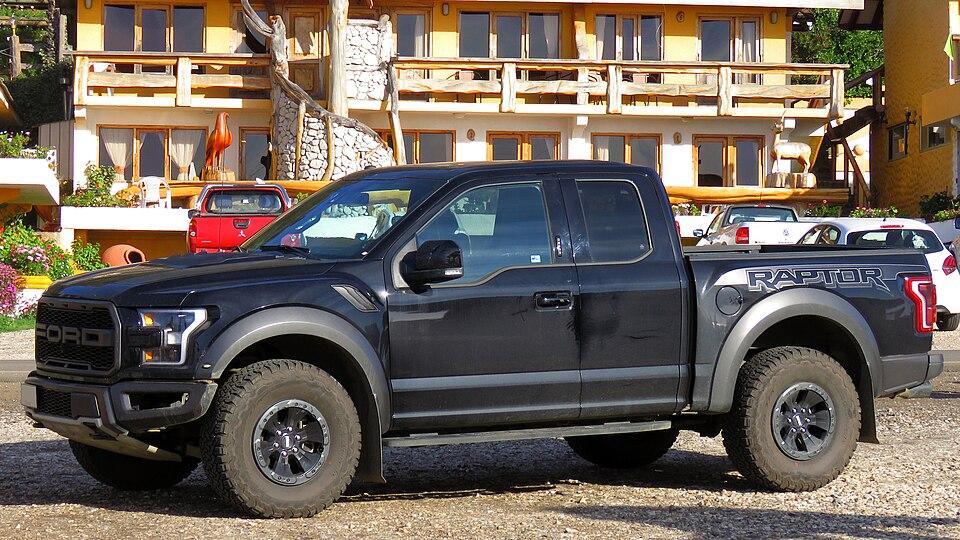
Regearing means swapping the ring-and-pinion gears in your front and rear differentials for a numerically higher ratio (like 4.10 to 4.88) to restore the engine RPM and torque multiplication that a taller tire takes away. You need it when the tire diameter increase outpaces what the factory ratio and the transmission's wide gear spread can compensate for, which in practice means: optional on most 37-inch setups, close to mandatory on 40s.
That answer changes by which Raptor you own and whether 37s were already part of its factory spec. Here is the actual math, not the forum shorthand.
Why tire diameter changes the gear math
A bigger tire has a bigger rolling circumference, so the drivetrain has to turn it more slowly to hold the same road speed. That drops engine RPM at cruise, which sounds like free fuel economy until you realize the transmission is now working with less torque multiplication at the wheels for the same throttle input. The 10R80 10-speed automatic used in the F-150 Raptor Gen 3, F-150 Raptor R, and Bronco Raptor has ten ratios to hide a lot of this, but it is still fighting physics every time it hunts for a gear on a hill or under a trailer. A truck already prone to the symptoms covered in our piece on 10R80 harsh 1-2 shift and torque converter shudder will not get better with a taller, heavier tire added to the load, even though tire size alone is not the root cause of that specific complaint.
Speedometer and ABS accuracy drift too. A tire that reads meaningfully taller than stock reads correspondingly slow on the speedo unless a tune corrects it, which throws off traction control thresholds and your actual cruise control target speed.
Which Raptors already come geared for big tires
This is the part most guides skip, and it is the first question you should answer before you touch a differential.
The Bronco Raptor and the F-150 Raptor R both leave the factory on 37-inch tires (37x12.50R17, typically BFGoodrich rubber) as standard equipment. Ford built the axle ratio, the tune, and the speedometer calibration around that tire from the factory. If you are replacing worn factory 37s with a new set of BFGoodrich KO2 37x12.50R17s or the BFGoodrich KO3 37x12.50R17, you are matching what Ford already geared for. No regear needed.
Everyone else is starting from a smaller stock tire and going up:
| Truck | Typical factory tire | Stock 37s? | Regear trigger |
|---|---|---|---|
| Gen 1 Raptor (2010-2014) | commonly called a "35" by owners and Ford's own marketing at the time, though the factory 315/70R17 measures closer to the mid-34s in actual diameter | No | 37s usually fine, 40s typically need it |
| Gen 2 Raptor (2017-2020) | roughly 34-inch stock tire (315/70R17) | No | 37s often fine, 40s usually need it |
| Gen 3 Raptor (2021+), base trims | roughly 33-inch stock tire, with the optional 37 Performance Package stepping up to 37s | Depends on package and model year, Ford has changed how 37s are packaged across the Gen 3's run, confirm with your dealer or build sheet | Non-37-package trucks moving to 37s benefit from it; 40s need it |
| Ranger Raptor | roughly 33-inch stock tire (285/70R17) | No | 35s-37s rarely attempted without major fender work; regear situational |
Confirm your own truck's actual axle ratio off the door-jamb sticker or the Ford build sheet before you spec gears. Do not trust a remembered ratio from a forum thread, including this one.
37s: do you actually need to regear
For the Gen 2 and Gen 3 3.5-liter EcoBoost trucks, moving from the stock tire to a 37 is a meaningful diameter jump, though the exact percentage depends on the stock tire your specific truck shipped with. The EcoBoost's low-RPM turbo torque covers a surprising amount of that loss, which is why a large share of owners run 37s on the stock ratio with nothing more than a tune to fix the speedometer and recalibrate shift points. We cover that exact tradeoff, measured, in 35s vs 37s on a Raptor: Every Tradeoff, and the honest verdict on whether a tune alone is enough in Do You Need a Tune After 37s?
Where regearing on 37s earns its cost even without a hard requirement: trucks that tow regularly, trucks that spend a lot of time at altitude, and anyone who notices the transmission constantly dropping two gears on a grade it used to handle in one. If you want the full cost breakdown of a 37-inch swap including wheels, fenders, and whether to regear, see How Much Does It Cost to Put 37s on a Gen 2 Raptor?
The Ranger Raptor is a different case. It only ever came with the turbocharged 3.0-liter V6, and that engine has less displacement and low-end torque to spare than the F-150's 3.5-liter EcoBoost when you start taxing it with a taller tire. Fender clearance is also tighter on this chassis, and anything past a mild 33 or 35 generally needs real trimming or a lift before it fits at all. Most Ranger Raptor owners who go up a size stay modest, and regearing a 37-inch Ranger Raptor setup is rare enough that cost estimates vary wildly by shop; most shops will tell you to sort clearance before you worry about gears.
40s: this is where regearing stops being optional
A 40-inch tire is a much larger diameter jump than a 37, roughly double the increase over stock in most cases. That is a different category of problem. On any Raptor variant, a 40 without a regear means the transmission is almost always working one to two gears lower than it should at a given speed, which means more heat in the fluid, more wear on the clutch packs, and a truck that feels noticeably softer off the line even with the throttle planted. Combine that with the fact that 40s on a Raptor almost always require a lift kit, and this is the point where you do the gears and the suspension work at the same time rather than paying labor twice. Our guide on whether a Raptor actually needs a lift kit covers what clearance work a 40 actually demands before gearing even enters the conversation.
What the regear process actually involves
- Confirm your current ratio. Check the axle tag or door sticker, not a guess based on model year.
- Pick the new ratio. Gear manufacturers sell aftermarket ring-and-pinion sets in a range of ratios for Ford's F-150-derived axles; a shop will typically recommend something numerically higher to offset the specific tire diameter you are running. Treat any specific ratio number you read online, including here, as a starting point for a conversation with the shop doing the install, not a final spec.
- Do both axles. Regearing only the rear and leaving the front stock throws off the transfer case's torque split on 4WD-equipped Raptors and can trigger drivetrain bind. Budget for front and rear, not just one.
- Set up the gears properly. This is backlash and pattern work done with a dial indicator, not a bolt-it-and-go job. It is the reason this is a shop job for the overwhelming majority of owners, DIY instructions aside.
- Recalibrate the speedometer and shift points. A tuner handles this along with the new tire diameter. See what a tune actually changes and what it risks before you pick one.
What it costs
Regearing both axles, parts and labor, typically runs roughly $1,800-3,000 as an estimate, and it swings on three things: the ratio and brand of ring-and-pinion set the shop specs, whether your Raptor's electronic locking rear differential needs anything touched during the rebuild, and regional labor rates. Some shops report the locker-equipped rear axle adds cost to source gears for compared with a standard open differential, but that varies by supplier and ratio, get a written quote rather than assuming a number. Shops commonly quote this job at somewhere around 8-14 hours of labor between the two axles as a rough estimate, split across pulling covers, setting up gears, and reassembly, and that figure is not one to hold a shop to without a written quote. Add a modest amount for speedometer and shift-point recalibration if your shop does not fold that into the tune you are already buying for the tire size.
Parts alone for a ring-and-pinion set per axle vary by brand and ratio; get a written quote from the shop doing the install rather than pricing it off a listing, since front and rear parts are not interchangeable.
FAQ
Do I need a tune after regearing? Yes, functionally. The speedometer, ABS, and shift schedule all reference the stock tire and gear data unless corrected, and a tune is the standard way shops handle it alongside the new ratio.
Can I regear just the front or just the rear? Not on a 4WD Raptor without risking drivetrain bind in 4WD mode. Do both axles to the same ratio.
Will regearing hurt my fuel economy? At a given tire size, a numerically higher ratio raises cruise RPM slightly, which can cost a small amount of highway mileage compared to running that same tall tire ungeared, but it restores the acceleration and transmission behavior you lost by going bigger in the first place. It is a tradeoff, not free performance.
Is this covered by Ford's warranty if something breaks later? No. Regearing is an aftermarket modification. If it contributes to a later driveline failure, Ford and a dealer can reasonably decline a warranty claim on that component. This has nothing to do with Ford's factory powertrain coverage on unmodified parts elsewhere in the truck.
The short version
- Stock-37 trucks (Bronco Raptor, Raptor R) do not need a regear to stay on 37s.
- Gen 1, Gen 2, and base Gen 3 F-150 Raptors moving to 37s can often skip it with a tune, but towing or altitude use tips the math toward regearing anyway.
- 40s on any Raptor are close to a regear requirement, not a judgment call, and they usually come bundled with a lift anyway.
- Budget roughly $1,800-3,000 for both axles done right, done by a shop with gear setup experience, not a guess based on a forum thread.
Deal alert
Shopping for one? Get new listings first
We sweep US dealer inventory and send you new Raptors matching your search — real listings, real asking prices, no spam.