2014 Ford Raptor: Specs, Problems, and Used Value
Explore the final year of Gen 1 Ford Raptor, including its specs, known issues, and used pricing in 2026.
Gear in this article
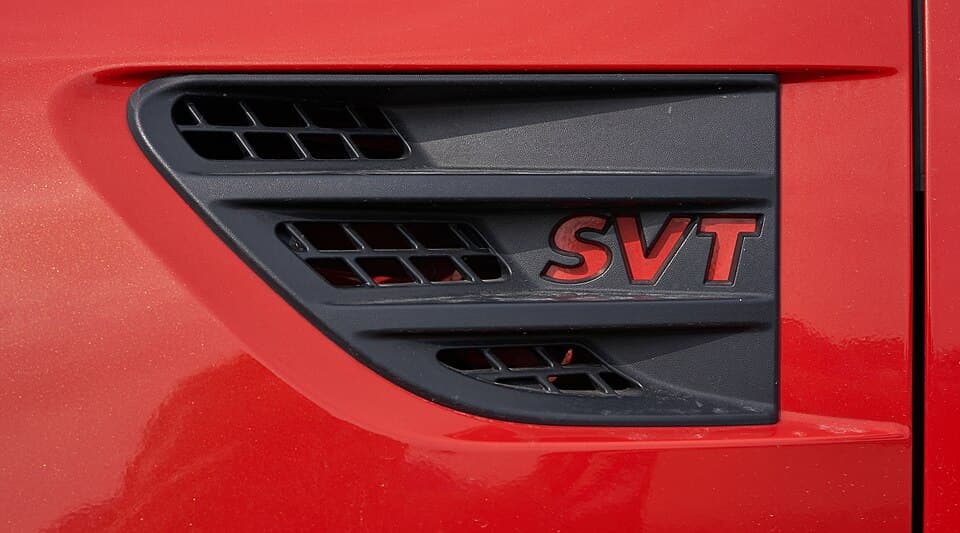
A 2014 Ford Raptor is the last year of the naturally aspirated 6.2L Gen 1 before Ford paused the nameplate for 2015-2016 and came back with a smaller, turbocharged truck in 2017. That gap is the whole reason prices on the 2014 sit where they do: expect $28,000 to $45,000 for a clean one in 2026, with the top of that range reserved for low-mile trucks with real service records, not average work rigs. If you want the full picture of what you're buying into, the first-generation SVT Raptor hub covers the whole 2010-2014 run this truck belongs to.
What actually changed for 2014
Mechanically, almost nothing. The 2014 is the same truck Ford had been building since 2011: same 6.2L Boss V8, same 6R80 six-speed automatic, same SVT-era suspension and frame. If you're cross-shopping model years, the 2013 Raptor is functionally identical with the same problems at similar mileage. Ford made small trim and interior tweaks across the run, but there is no mechanical reason to pay a premium for a 2014 over a 2012 or 2013 on spec alone.
What makes the 2014 different is what happened after it. Ford stopped building Raptors for 2015 and 2016 while it developed the aluminum-body F-150, then returned in 2017 with a twin-turbo 3.5L EcoBoost V8 and a lighter, smaller-displacement truck. That makes 2014 the last factory big-block Raptor, full stop, and it's the reason enthusiasts treat it as the closing chapter of Gen 1 rather than just another used truck in the lineup.
Specs
The 2014 runs the naturally aspirated 6.2L Boss SOHC V8, rated at 411 hp at 5,500 rpm and 434 lb-ft of torque at 4,500 rpm. It's paired with the 6R80 six-speed automatic and a part-time 4WD system with an electronic locking rear differential and 4.10 axle gears. Curb weight runs around 6,000 lbs depending on cab configuration, and ground clearance is listed at roughly 9.8 inches at the front, though both numbers shift with trim and tire choice, so treat them as estimates and confirm against your specific truck's door jamb sticker if it matters for a build. Factory tow rating tops out around 6,000 lbs depending on configuration, again worth confirming against your VIN's actual spec sheet rather than a generic number. Stock rubber is a 315/70R17 BFGoodrich All-Terrain.
None of that is exotic by today's standard. A modern Ranger Raptor makes similar power from a 2.3L four-cylinder. But the 6.2L is a simple, low-stress engine with no turbos and no direct-injection carbon buildup to manage. That simplicity is a real part of the buying case for this truck.
Known problems on a 2014 Raptor
These issues show up repeatedly on Gen 1 trucks at this age and mileage. None are unique to the 2014 model year, they apply across the 2010-2014 run, but a 2014 is now old enough that most examples on the used market have crossed into the mileage range where these start appearing.
Cam phaser rattle
A diesel-like rattle on cold start from the front of the 6.2L, most commonly reported once a truck is past roughly 90,000 miles. The fix is phasers, tensioners, chains, guides, and a PCM reflash, not just a different oil weight. Budget $2,200 to $4,000 depending on whether a shop finds collateral damage once it's apart. This is a 6.2L V8 issue, distinct from the cam phaser problem on Gen 2 EcoBoost trucks, so the Gen 2 phaser fix writeup does not apply here. Start any used Gen 1 stone cold, before you even open the door, and listen.
Frame and rear-quarter rust
Common on trucks that spent winters in salt states, concentrated around the frame rails near the rear shock mounts and the rear wheel arches. Treatment runs $800 to $2,500 depending on severity, surface treatment versus full media blasting and coating. A truck with heavy scale or flaking at the shock mounts is a walk-away unless the asking price already reflects it. Any Gen 1 purchase from a cold-weather state deserves a flashlight under the truck before you negotiate.
IWE actuator grinding
A grinding or growling sound from the front hubs, usually when shifting into 4WD or in cold, wet weather. The IWE (integrated wheel end, the vacuum-actuated hub that locks the front axle) and its related check valve and lines are the usual culprits. DIY parts run roughly $180; a shop visit runs $700 to $1,100. This issue persists across Gen 1 and Gen 2 trucks, and the full breakdown of what it costs to fix applies to both.
Exhaust manifold stud failure
A ticking noise on cold start that quiets as the manifold heats up and expands. Fixing it means extracting broken studs (sometimes drilling them out if they've sheared flush), new hardware, and gaskets. Expect $600 to $1,600 depending on how clean the extraction goes and whether a head has to come off.
Rear leaf sag and axle wrap
The rear end sags over time and the truck squats under hard throttle, a sign the leaf pack has lost arch. A leaf pack replacement with new shackles and U-bolts runs $650 to $1,400 installed. Owners building for more aggressive use often go straight to a Deaver L84 rear leaf spring pack rather than replacing stock springs with stock springs.
6R80 shudder and harsh 1-2 shift
A steady vibration between 40 and 50 mph, or a hard clunk shifting into second gear when the transmission is cold. Start with a fluid and filter service, roughly $400, before assuming the worst. If a converter is actually failing, budget $1,800 to $2,600. This is a well-documented Gen 1 6R80 issue, and it's worth reading the dedicated writeup on 6R80 transmission problems in Gen 1 Raptors before you pay for diagnostics twice.
Fox 2.5 shock wear
Oil film on the shock bodies and a rear end that packs up (loses damping and bottoms repeatedly) in whoops are signs the factory Fox 2.5 shocks are past their service life. Rebuilding runs $700 to $1,200 per set; replacing outright runs $2,400 or more if you're stepping up to aftermarket coilovers like the King 3.0 Performance Series Coilover Kit in the process.
MyFord Touch quirks
Black screens, unresponsive taps, or phantom touches on the infotainment unit. Usually resolved with an APIM (the module behind the screen) software update at no cost; a full module replacement runs $600 to $900 if the hardware itself has failed. Annoying, not dangerous, and not a reason to pass on an otherwise good truck.
What to check before you buy
- Start it stone cold and listen for phaser rattle before the engine warms up.
- Confirm it's the 6.2L, not an earlier 5.4L reference in old listings, some sellers still mix up Gen 1 engine years.
- Cycle into 4WD and listen for IWE grinding.
- Measure rear ride height side to side and compare against a known-good truck for sag.
- Look at the shock bodies for oil film and the shafts for pitting.
- Check the rear diff and control arm bushings for play.
- Get the truck on a lift and inspect the frame rails and rear shock mounts for rust or prior repair.
- Pull service records. A 6.2L with real oil change history is worth more than one without, regardless of mileage.
- Check the bed and cab for off-road damage that doesn't show up in photos.
A full line-by-line walkthrough, including Gen 1-specific inspection points like frame checks, is in the Gen 1 Raptor buying guide.
Used value in 2026
The 2014 sits at the top of the Gen 1 pricing curve specifically because of the production gap that followed it. Realistic asking prices run $28,000 to $45,000, with the low end being higher-mile trucks with deferred maintenance and the high end being low-mile, documented trucks marketed as the "last big-block Raptor." That upper figure is a collector premium, not a reflection of the truck being mechanically better than a 2012 or 2013. If the "last year" story doesn't matter to you, a 2012 or 2013 with lower mileage and a clean frame is often the smarter buy for less money.
Worth noting: this collector premium is specific to the 2014. It doesn't carry over to the 2017-2020 Gen 2 trucks, which are priced on condition and mileage like any other used F-150, not on scarcity.
FAQ
How much horsepower does the 2014 Ford Raptor have?
411 hp at 5,500 rpm from the 6.2L Boss V8, per Ford's factory rating.
What transmission does the 2014 Raptor use?
The 6R80 six-speed automatic, the same unit used across the full Gen 1 run.
What are the biggest problems on a 2014 Raptor at this age?
Cam phaser rattle, frame and rear-quarter rust, and 6R80 shudder or harsh shifting are the three most likely to cost real money on a truck at this mileage.
Is the 2014 Raptor a good collector buy?
It's the last Gen 1 before the 2015-2016 production gap, which is driving some of the price premium, but it isn't mechanically different from a 2012 or 2013 built on the same platform.
What should I expect to pay for a used 2014 Raptor in 2026?
Budget $28,000 to $45,000, depending on mileage, documented service history, and whether the seller is pricing around the "last year" story rather than condition alone.
The short version
- The 2014 is mechanically the same as other Gen 1 Raptors, its value comes almost entirely from being the last year before the 2015-2016 production gap.
- Budget for cam phaser rattle, 6R80 shudder, and frame rust as the three issues most likely to cost real money on a used truck at this age.
- Expect to pay $28,000 to $45,000, with the top of that range reflecting collector demand, not superior condition.
- If the "last year" story doesn't matter to you, a 2012-2013 Gen 1 in better mechanical shape is usually the better dollar-for-dollar buy.
Deal alert
Shopping for one? Get new listings first
We sweep US dealer inventory and send you new Raptors matching your search — real listings, real asking prices, no spam.