Ranger Raptor Warranty: What Ford Covers, and What a Tune or Mods Can Change
A new Ranger Raptor carries Ford's 3-year/36,000-mile bumper-to-bumper and 5-year/60,000-mile powertrain coverage. Here is what those terms mean in practice, and what federal warranty law says about aftermarket parts and engine tunes.
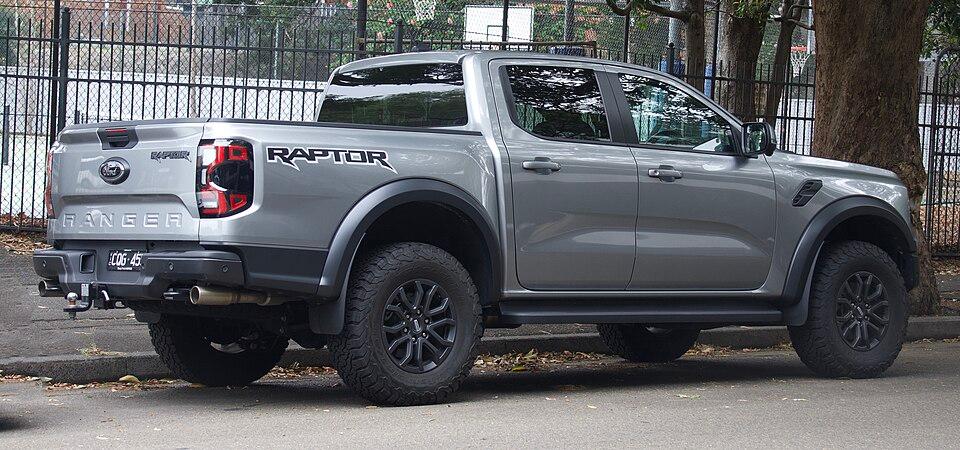
A new Ranger Raptor is covered by Ford's New Vehicle Limited Warranty: 3 years/36,000 miles bumper-to-bumper, and 5 years/60,000 miles on the powertrain, per Ford's warranty information page. A tune or a bolt-on part does not automatically void that coverage. What it does is give Ford grounds to deny a specific claim if the dealer can show the part or the tune caused the failure you are asking them to fix. Those are different things, and the difference is where most of the internet gets this wrong.
Confirm the exact terms for your build date with your dealer or the owner's manual for your model year, since Ford's own paperwork for this truck already shows year-to-year differences in other specs, so do not assume one year's language carried over unchanged. What follows is the general framework and how it plays out in practice on a Ranger Raptor.
What the factory warranty actually covers
The bumper-to-bumper warranty runs 3 years or 36,000 miles, whichever comes first, and covers most components against defects in material or workmanship. The powertrain warranty extends further, 5 years or 60,000 miles, and covers the engine, transmission, and drive system, the parts Ford considers the expensive stuff.
On the US Ranger Raptor that means the 3.0L twin-turbo EcoBoost V6 (405 hp, 430 lb-ft), the 10-speed SelectShift automatic, the 2-speed transfer case, and the front and rear electronic locking differentials, per the 2024, 2025, and 2026 spec sheets. Corrosion coverage and other sub-warranties, like roadside assistance, run on their own terms and typically a different clock than the bumper-to-bumper. Check the warranty guide for your specific model year rather than assuming, since Ford's spec sheets for this truck already show year-to-year differences in things as basic as payload and fuel tank capacity.
TSB, recall, and warranty: three different words that get used interchangeably
A warranty claim is you asking Ford to fix something covered under the terms above, at no cost to you, because the vehicle is still within time and mileage.
A TSB (technical service bulletin) is Ford telling dealers how to diagnose and repair a known issue correctly. It is a repair procedure, not a promise of free work. If your truck is out of warranty, a TSB existing does not obligate Ford to pay for the fix, though dealers sometimes use TSB guidance to support a goodwill request, which is discretionary and never guaranteed.
A recall is different again, and it is free regardless of warranty status. If NHTSA or Ford issues a recall for a safety defect or a non-compliance issue, the remedy is performed at no charge to the owner no matter how old the truck is or how many miles are on it.
NHTSA lists recall campaigns for 2024-2026 Ford Ranger trucks, but it does not name the Raptor trim, so whether one covers your truck comes down to the VIN. Rather than listing campaign numbers and guessing at which builds they cover, confirm it directly: pull up your model year's digest at 2024, 2025, or 2026, then run your own VIN against NHTSA's recall lookup or Ford's own recall lookup before you pay a dealer for anything that might already be covered this way. A model year digest lists the campaigns that touched that year's production run, not every VIN within it, so the VIN check is the step that actually tells you whether your specific truck is open.
If your Ranger Raptor has a front-end clunk and you are not sure whether it is recall-related, ordinary wear, or something a dealer should be fixing under warranty, that diagnosis is covered separately in the front-end clunk guide for ball joints and UCA bushings.
Does a mod void your warranty? What federal law actually says
This is the part owners get wrong constantly, so here is the actual rule.
The FTC's Businessperson's Guide to Federal Warranty Law addresses this directly: tie-in sales provisions, language that requires you to use only the manufacturer's branded parts or service to keep your warranty valid, are generally not allowed. A dealer cannot legally tell you "we voided your whole warranty because you installed an aftermarket skid plate."
What a warrantor can do is deny coverage for a specific defect or damage if it can show that defect or damage was caused by a part or service it did not provide. That is a narrower, claim-by-claim standard, not a blanket voiding.
In practice on a Ranger Raptor, that looks like this:
- A rock slider bolted to the frame rail does not touch the powertrain. If your 10-speed SelectShift transmission fails, the slider is irrelevant to that claim.
- A set of 33s or a mild leveling kit is unlikely to affect a powertrain failure, though a dealer might push back on a suspension-related claim if the mod altered geometry in a way that is plausibly connected. If you have swapped in aftermarket uniball control arms written for the Ranger Raptor and later file a front suspension claim, expect the service writer to ask about it specifically.
- An engine tune is the one with the most exposure, because it changes the thing the powertrain warranty is built around.
The engine tune question, specifically
If you load a custom tune onto the 3.0L EcoBoost and the engine or transmission fails afterward, Ford's dealer network can inspect the ECU, see the tune was present, and deny that specific powertrain claim if they can connect the tune to the failure. That is the FTC standard applied directly: a part or modification Ford did not supply, shown to have caused the damage, is fair game for denial.
We are not going to tell you a tune will or will not cause a failure, because that depends on the tune, the fuel, the heat the truck sees, and how hard you drive it. What we will tell you is the risk framing: a tune raises boost and changes fueling and timing on a turbocharged engine, which is exactly the kind of change a dealer's service department is trained to look for when a powertrain claim comes in. If you tune the truck, understand you are accepting that risk on the engine and transmission claims specifically, not on unrelated parts of the vehicle. For a broader look at what a tune changes mechanically and what it risks regardless of brand, see what a tune actually changes and risks.
On other EcoBoost engines, intake valve carbon buildup and turbo boost solenoid faults are known patterns; the Ranger Raptor has not been on sale long enough to show either one, and what owners do report to NHTSA is tracked on the site's Ranger Raptor reliability page. If you have tuned the engine, expect a dealer to look harder at any boost-related failure before approving a warranty claim.
What this means if you are shopping for a used, already-modded truck
If you are looking at a used Ranger Raptor with a tune already loaded, or aftermarket wheels and a leveling kit, the remaining factory warranty is not automatically dead. Confirm two things before you buy: how many months and miles are left on the 5-year/60,000-mile powertrain clock, and whether the seller can show the tune has been reverted to stock, since a claim conversation tends to go easier once the truck is back to factory calibration. A pre-purchase inspection is worth doing regardless of warranty status, covered in more depth in the used Ranger Raptor buying guide.
If you are cross-shopping whether a Ranger Raptor fits your use case at all before any of this warranty math matters, that question is separate and covered in Is the Ranger Raptor Actually Big Enough?
The short version
- Ford's Ranger Raptor warranty is 3 years/36,000 miles bumper-to-bumper and 5 years/60,000 miles powertrain. Confirm exact terms for your build with the dealer or your model year's guide.
- A mod does not void your whole warranty. Federal law generally bars tie-in sales clauses. Ford can deny a specific claim if it proves a non-Ford part or service caused that specific damage.
- Recalls are always free, regardless of warranty status or mods. Check your VIN at NHTSA or Ford, and check the model year digest for your truck, before paying for anything that might already be covered.
- A TSB is a repair procedure for a known issue, not a guarantee of free repair once you are out of warranty. Goodwill beyond warranty terms is always at Ford's discretion.
- An engine tune carries the most real exposure on a powertrain claim, because it changes the exact systems that warranty protects.
Deal alert
Shopping for one? Get new listings first
We sweep US dealer inventory and send you new Raptors matching your search — real listings, real asking prices, no spam.