2024-2026 Ford Raptor and Raptor R Recalls: NHTSA Campaign Digest
A comprehensive guide to NHTSA recalls affecting 2024-2026 Ford Raptor and Raptor R models, including how to check your VIN and understand the recall process.
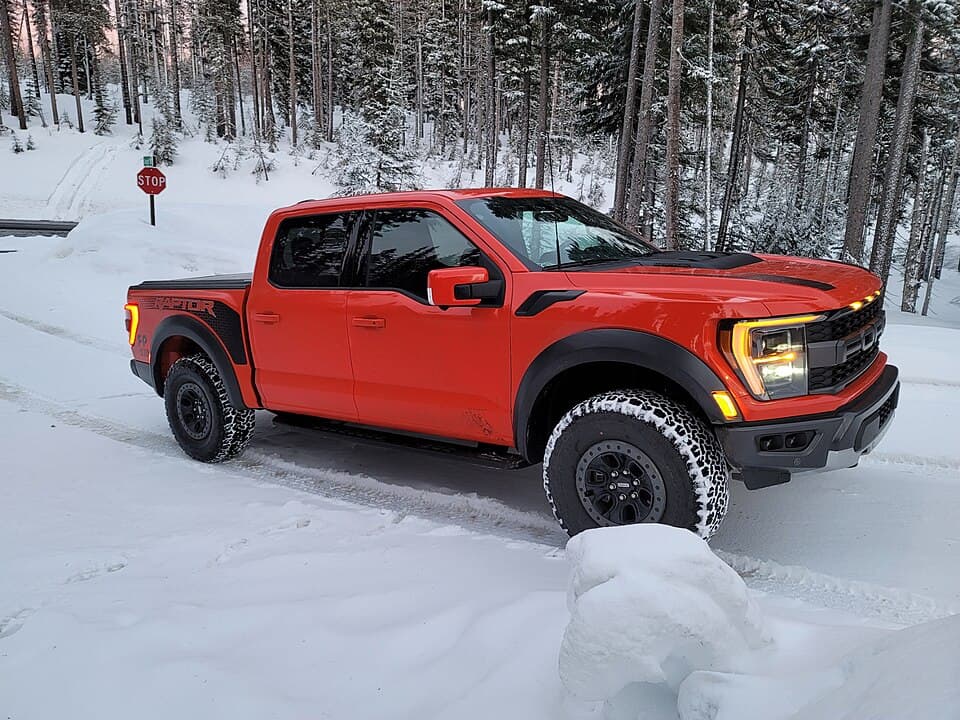
NHTSA has opened 23 separate recall campaigns against the F-150 nameplate covering the 2024-2026 model years, and every one of them is filed at the "F-150" level, not broken out by trim. That means a 2024-2026 Raptor or Raptor R can fall inside a campaign's VIN range even though Ford's paperwork never prints the word "Raptor," and it can just as easily sit outside it. The only way to know for certain is to run your own VIN, because model year alone does not tell you whether your specific truck was built in the affected window.
This digest walks through every open campaign that touches the 2024-2026 model years, organized by system, with the component language pulled straight from NHTSA's own filings. Where Ford's public summary does not specify an engine family or trim, we say so rather than guess.
Why "F-150" on the recall notice does not mean "not my Raptor"
Ford builds the Raptor and Raptor R on the F-150 platform at the Dearborn Truck Plant, and NHTSA recall campaigns are filed against the nameplate and model years, not the trim. A campaign for "2024 F-150" can include every Raptor built in that window, none of them, or some depending on the assembly date, supplier batch, or plant line that produced the affected part. We have not found a public NHTSA filing in this window that calls out Raptor or Raptor R by name specifically, which is normal. Ford's internal VIN lists are what actually determine who gets the letter, and those lists are not published in the summary data.
If you want the full recall history across every generation, including the Gen 1 SVT Raptor and Gen 2 and Gen 3 trucks, the Ford Raptor Recalls: Every Generation, What Was Actually Fixed page is the campaign-level overview. If your truck is a 2021-2023 F-150 Raptor Gen 3 built before this window, the earlier campaigns are covered separately in our Gen 3 Ford Raptor Recalls (2021-2023): NHTSA Campaign Digest.
How to check your VIN
- Go to nhtsa.gov/recalls and enter your 17-digit VIN. This is the only source that tells you definitively whether your specific truck, not just your model year, is included.
- Cross-check with Ford's own recall lookup through FordPass or your dealer's service portal, since Ford sometimes posts a campaign before NHTSA's database fully updates, or vice versa.
- If you are shopping a used truck rather than checking your own, run the VIN before you sign. This matters more on a Raptor R given the six-figure price tags these trucks carry, and an open recall can affect financing and insurance in some states.
Recall versus TSB versus a known problem
A recall is a safety-related defect that Ford and NHTSA agree requires a free repair, with no time or mileage limit tied to your original warranty. A TSB (technical service bulletin) is a repair procedure Ford publishes to help dealer technicians diagnose a known issue faster. A TSB is not free work by itself, it is a roadmap a tech follows, and whether it is covered depends on whether your truck is still inside its powertrain or bumper-to-bumper warranty. Things like cam phaser rattle on earlier EcoBoost trucks or live valve shock faults on Gen 3 trucks are known issues, not recalls, and Ford has never classified them as safety defects requiring a mandatory campaign.
Steering recalls
- 24V329000 (2024 model year): STEERING:COLUMN. Described by Ford as a lower intermediate shaft fastener issue that can allow steering components to separate, resulting in reduced steering control.
- 25V022000 (2024 model year): STEERING. An incorrectly assembled steering rack that can fracture internally and cause loss of steering assist.
- 25V309000 (2025 model year): STEERING. A second, related campaign for improperly attached lower intermediate shaft fasteners, allowing the shaft to loosen or detach over time.
Engine and lubrication recalls
- 24V851000 (2024-2025 model years): ENGINE AND ENGINE COOLING, OIL/LUBRICATION. Ford's public summary does not specify which engine family within the F-150 lineup is affected. Confirm by VIN whether this falls inside your Raptor's 3.5L EcoBoost or your Raptor R's supercharged 5.2L V8 build window.
- 25V198000 (2024-2025 model years): a misaligned engine cup plug that can cause a rapid oil leak. Same caveat applies, check your VIN rather than assuming based on engine.
- 25V344000 (2025 model year): ENGINE, HARD PARTS INTERNAL/MECHANICAL. Described as manufacturing defects in connecting rod and rod bearing components that can lead to internal engine damage. This is a serious one if it applies to your VIN, since rod bearing failures on a boosted engine tend to be sudden rather than gradual.
Powertrain and driveline recalls
- 25V164000 (2024-2025 model years): an incorrectly machined valve body in the automatic transmission, which can cause unintended reverse engagement or a failure to hold reverse gear. The F-150 lineup, including the Raptor and Raptor R, runs the 10R80 10-speed automatic, the same transmission family covered in our 10R80 Harsh 1-2 Shift and Torque Converter Shudder piece, but Ford's public recall summary does not confirm whether Raptor-spec build dates fall inside this specific campaign window. Check your VIN.
- 25V512000 (2024-2025 model years): POWER TRAIN, AXLE HUBS. NHTSA's component field does not include a detailed failure description in our records beyond the axle hub category; check your VIN for the specific owner letter language.
- 26V576000 (2026 model year): POWER TRAIN, DRIVELINE, DIFFERENTIAL UNIT, described as incorrect rear axle tail bearings that can cause rear wheel lock-up or driveshaft separation. Given this one lands on 2026 trucks still under full factory coverage, it is a straightforward free repair if your VIN is in range.
Electrical system recalls
- 25V398000 (2025 model year): wiring harness chafing or PCM (powertrain control module) connector pin pull-out that can cause the engine to stall while driving.
- 25V540000 (2025 model year): an IPC (instrument panel cluster) that can fail to initialize at startup, leaving the driver without speed, fuel, or warning light information. Confirm by VIN whether your truck's build date falls inside this window, since Ford's summary does not break this down by trim.
- 26V653000 (2026 model year): a separate instrument cluster issue causing stuck or erratic tachometer and speedometer readings. Same caveat: this is a 2026-only campaign per NHTSA's filing, so check your VIN rather than assuming it carries over from the 2025 IPC campaign above.
- 26V104000 (2024-2026 model years): ELECTRICAL SYSTEM, INTEGRATED TRAILER BRAKE CONTROL. This affects trucks equipped with the factory integrated trailer brake controller, relevant if you tow with your Raptor.
Brake system recalls
- 25V488000 (2025 model year): a malfunctioning EBB (electronic brake booster) module that can affect both braking performance and ADAS (advanced driver assistance systems) functions like automatic emergency braking. Ford's summary does not specify which option packages or trims carry the affected module, so do not assume you are clear just because your truck has a particular suspension or brake package. Check the VIN.
- 25V823000 (2025 model year): a second, separate control module issue in the same electric power-assist brake family, reported several months after 25V488000.
Suspension, body, fuel, and seat recalls (2026 model year)
- 26V577000: SUSPENSION, REAR. Improperly tightened stabilizer rod fasteners that can allow the rod to shift out of position.
- 26V550000: STRUCTURE, BODY. Improperly tightened vehicle joints that Ford says can lead to detached parts, unsecured cargo, or degraded crash protection.
- 26V578000 (2024-2026 model years, the widest VIN window in this group): FUEL SYSTEM, improperly secured fuel tank mounting that can result in leaks or tank detachment.
- 26V655000 (2025-2026 model years): SEATS. Improperly secured front seats affecting seat stability in a crash.
Minor and administrative campaigns
A few campaigns in this window are lower-stakes than the mechanical ones above but are still legally recalls, not TSBs: 24V486000 (2024, a windshield-related visibility campaign), 24V852000 and 25V271000 (label compliance issues), and 25V315000 (2024, a backup camera software fix for the back-over prevention system). None of these involve a mechanical failure risk comparable to the steering, brake, or engine campaigns above, but Ford is still required to notify owners and perform the fix at no charge.
What Ford covers and what it does not
Every campaign above is a federally mandated recall, which means the repair is free regardless of mileage, warranty status, or whether you bought the truck new or used. There is no deductible and no labor charge. This is different from Ford's goodwill policy on non-recall issues, which is discretionary and depends on your dealer and your service history, something we cover in more detail in Ford Raptor Extended Warranty: Worth It, or Self-Insure?
If you already paid out of pocket for a repair that later became part of one of these campaigns, call your dealer with the receipt and your VIN. Reimbursement for recall-related repairs performed before the recall was issued is something Ford handles case by case, and the window to claim it typically has a deadline tied to the recall's effective date.
If you are buying a used 2024-2026 Raptor or Raptor R rather than checking your own truck, run the VIN before you commit. The used-market averages on 2024-2026 Raptor R trucks run roughly $111,000-$141,000 depending on model year, and an unresolved safety recall is a free fix the seller should have already handled before listing it. Our used Gen 3 Raptor buying guide and Used Raptor R Buying Guide both cover what else to check alongside the VIN.
The short version
- NHTSA files these 23 campaigns against the F-150 nameplate, not the Raptor trim specifically, so model year alone will not tell you if your truck is affected. Check your VIN at nhtsa.gov/recalls.
- The highest-consequence campaigns in this window are the steering shaft and rack issues (24V329000, 25V022000, 25V309000), the transmission valve body recall (25V164000), the connecting rod and rod bearing defect (25V344000), and the electronic brake booster campaigns (25V488000, 25V823000).
- A recall repair is always free, with no mileage limit. A TSB is a repair procedure, not a free visit, and goodwill beyond that is discretionary.
- Before buying a used 2024-2026 truck, run the VIN yourself. Do not take a seller's word that "everything's been handled."
Deal alert
Shopping for one? Get new listings first
We sweep US dealer inventory and send you new Raptors matching your search — real listings, real asking prices, no spam.