Best Cold Air Intake for a Raptor: What It Really Adds
Discover the best cold air intake for your Ford Raptor, including performance gains and installation details. Find out how it interacts with a tune.
Gear in this article
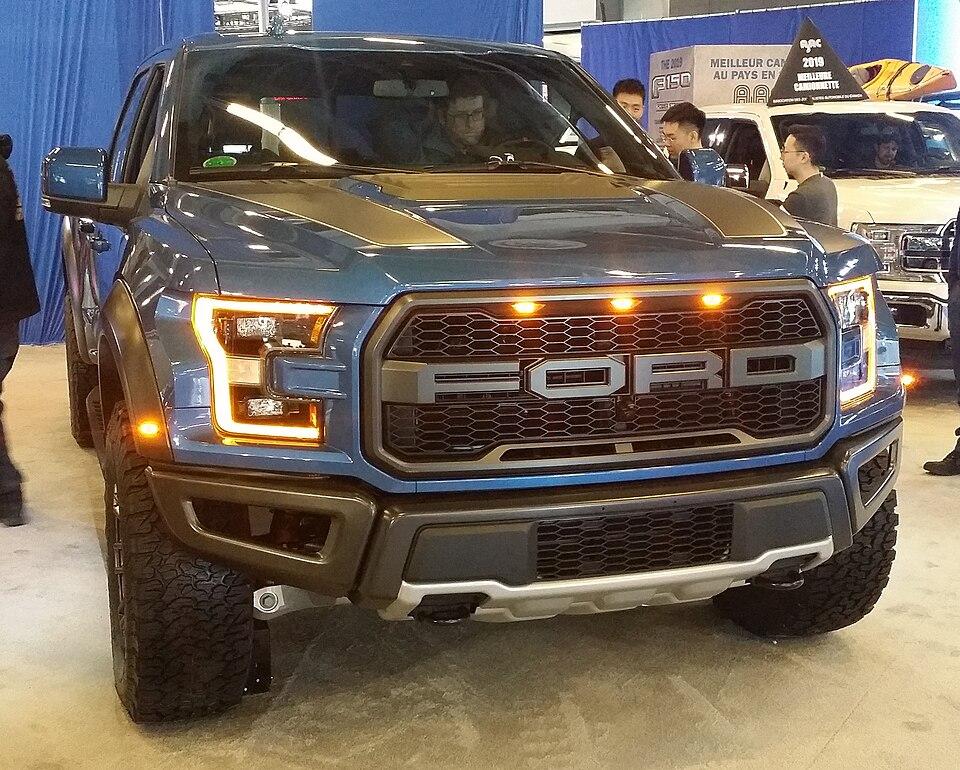
Straight answer: the aFe Momentum GT Cold Air Intake is the intake most Raptor owners land on, and by itself it is worth maybe 5-10 rear-wheel horsepower, as an estimate, on a 3.5 EcoBoost Gen 2 or Gen 3, plus a lot more turbo noise. If you want real power, the intake is step one of a two-part purchase, and the tune is where the actual gains live. Buy the intake for the sound and the airflow headroom. Buy the tune for the horsepower.
What a cold air intake actually does on a turbocharged truck
This matters because the Raptor's 3.5L EcoBoost (Gen 2, Gen 3) and the Raptor R's supercharged 5.2L are forced induction. On a naturally aspirated engine, a free-flowing intake can matter quite a bit at wide-open throttle because the engine is pulling air on its own. On a turbo or supercharged engine, the factory airbox and turbo compressor are already pressurizing the intake tract, so a slightly less restrictive filter and tube have a smaller percentage effect on peak power. That is the honest ceiling on what any Raptor intake delivers.
What an intake like the Momentum GT changes:
- Less restriction ahead of the turbo inlets, which can modestly improve spool response and reduce intake air temperature under sustained boost.
- A bigger, reusable cone filter in place of the factory paper element.
- A noticeably louder turbo spool and blow-off character, which is the main reason most owners buy it.
What it does not change: compression ratio, boost pressure, injector duty cycle, or the ECU's fuel and timing tables. Those are the levers that actually make horsepower, and an intake alone does not touch any of them.
The aFe Momentum GT: fitment and install
The Momentum GT is sold for both the Gen 2 (2017-2020) and Gen 3 (2021-present) F-150 Raptor, and aFe lists separate kits to match each generation's airbox shape and sensor placement. Confirm you are ordering the kit listed for your specific model year, not a generic F-150 EcoBoost version built for a different engine bay layout.
Most Momentum GT kits for the Raptor ship with aFe's oiled Pro 5R filter media, though aFe also sells a dry Pro Dry S filter on some applications, so check which media your specific kit uses before you install it. Oiled media is fine as long as you follow aFe's oiling and re-oiling instructions, but over-oiling a cone filter is a known way to contaminate the mass airflow sensor (the sensor that measures intake air volume going into the engine) and trigger a rough idle or check-engine light. If you buy this intake, do not over-oil it at install and do not over-oil it the first time you clean and re-oil the filter down the road.
Installation is a bolt-on job most owners handle in a home garage: remove the factory airbox and tube, transfer the MAF sensor into the new housing, mount the new box and filter, reconnect the intake tube. Budget 1-2 hours if you have basic hand tools and have done an airbox swap before; give yourself closer to 2-3 hours your first time, mostly fighting factory clips and figuring out sensor orientation. No tune is required for the intake to run correctly. The factory ECU tolerates the airflow change fine on its own calibration.
Performance gains: what the dyno actually shows
Here is the part owners do not want to hear: on a bone-stock Gen 2 or Gen 3 EcoBoost Raptor, an intake alone is a modest gain, commonly described by tuners as single digits to roughly 10 horsepower at the wheel, as an estimate that moves around by dyno, weather correction method, and whether the truck's factory filter was already restricted by miles. Nobody has published a controlled, repeatable test result worth quoting as gospel, and any site that gives you a precise number to the tenth of a horsepower off a single dyno pull is guessing.
The bigger, honestly reported benefit is drivability texture: slightly crisper throttle tip-in, a little less heat soak on repeated hard pulls, and the turbo whoosh that makes the cabin sound like the truck is working harder than the factory airbox lets you hear. If sound and a marginal thermal buffer are what you are after, the intake delivers that on its own, cleanly, with no downside.
If you are chasing a number that shows up meaningfully on a dyno sheet or in a quarter-mile time, the intake alone is not that purchase. That is the honest answer, and it is the same for a Ranger Raptor's 3.0L EcoBoost: airflow at the filter is rarely the Raptor engine's limiting factor.
How it interacts with a tune
This is where the math changes. A tune like the 5 Star Tuning Custom Tune Package (93 octane) rewrites the boost target, timing tables, and fueling strategy the factory ECU runs conservatively from the factory for emissions, knock margin on pump gas, and long-term durability. Tuners selling 93 octane calibrations for the 3.5 EcoBoost commonly advertise gains in the range of 60-90 horsepower at the wheel, and you should treat that figure, like any specific horsepower claim from any tuner including this one, as a seller's dyno claim rather than an audited result. Ask for the tuner's own dyno sheet, run on your specific truck, before you buy. The intake contributes marginally more headroom once the ECU is asking the turbos to make more boost and pull more air through the inlet tract.
The order that makes sense for most owners: intake first if you want the sound and a cheap, reversible mod, tune second once you have decided you actually want more power and are willing to deal with the warranty conversation below. Doing the tune without the intake is fine too. The ECU does not need the aftermarket intake present to run a tune; the stock airbox flows enough for the factory turbos even at tuned boost levels on an otherwise stock EcoBoost.
Warranty and tune risk, stated plainly
An intake swap alone rarely trips anything. It is a bolt-on part, it is reversible in under an hour, and it does not touch any ECU calibration, so Ford has no reasonable basis for denying an unrelated warranty claim because you have one installed, though a dealer tech doing an unrelated repair could still note it on the work order.
A tune is a different conversation. Ford's powertrain warranty covers engine and transmission failures caused by defects, not failures caused by modified calibration, and most tuning companies write that risk into their own sales language. Modern engine control modules log flash and calibration history, and a dealer tech can pull that history during an unrelated warranty claim. Some tunes are designed to be flashed back to stock before a dealer visit; whether that actually protects you if a tech checks module history is a real gray area that nobody should promise you an answer on. Read our broader explainer on what a Raptor tune actually changes and what it risks before you commit, and if you are specifically weighing 37s plus a tune together, the math is covered in do you need a tune after 37s.
Is it worth the money
For a Gen 2 or Gen 3 Raptor owner who wants the turbo sound and a cheap, reversible, low-warranty-risk mod, yes, buy the intake. It is a Saturday morning job, it is unlikely to break anything if installed correctly, and it delivers exactly what it is sold for: noise and a marginal airflow improvement.
For an owner expecting a dyno sheet that justifies the price on horsepower alone, no, it is not that purchase. The gain is real but small, and the number that actually matters, the 60-90 range some tuners advertise for a 93 octane calibration, comes from the tune, not the filter, and should be verified against that specific tuner's own dyno data rather than taken on faith.
The short version
- The aFe Momentum GT intake is sold separately for Gen 2 (2017-2020) and Gen 3 (2021-present) Raptors, installs in roughly 1-2 hours, and needs no tune to run.
- Confirm which filter media your kit ships with (oiled Pro 5R is common, dry Pro Dry S exists on some applications) and do not over-oil it, since that is a known way to foul the mass airflow sensor.
- Alone, expect a modest single-digit-to-roughly-10-horsepower gain and a noticeably louder turbo, as an estimate. That is the honest ceiling.
- A 93 octane ECU tune is where the real power comes from; intake and tune together outperform either alone, but the tune is doing almost all the work, and any specific horsepower number is a tuner's claim, not an audited figure.
- The intake carries effectively no warranty risk. A tune does, because it rewrites engine calibration that Ford's powertrain warranty does not cover if it caused the failure. Know your dealer's stance before you flash anything.
Deal alert
Shopping for one? Get new listings first
We sweep US dealer inventory and send you new Raptors matching your search — real listings, real asking prices, no spam.